

The New York State Nurses Association has reached a tentative agreement on their union contract with several hospitals across Queens and New York City, rescinding their 10-day strike notices at seven safety-net hospital locations, including Flushing Hospital Medical Center.
However, the strike still looms over hospitals in the NewYork-Presbyterian, Montefiore and Mount Sinai Health systems, which have yet to reach an agreement with the union. The strike notices were initially delivered on Jan. 2 and would go into effect on Jan. 12 if an agreement is not reached by then.
The hospitals that already reached an agreement, listed here, agreed to safe staffing, healthcare coverage and pensions for nurses, and workplace protections against violence.
While the NYSNA said it refused to cut corners when it comes to patient and nurse safety, wage increases are still being negotiated with these safety-net hospitals. At this point, the union’s goal is to achieve wage increases in line with the rising cost of living over the next three years.
Nurses said that the wealthiest hospitals in the city should also be meeting their demands for proper staffing, maintained health benefits and nursing safety protocols in order to ensure they can provide the best care possible to their patients. They argued that if some of the poorest safety-net hospitals could meet their demands, the wealthiest hospitals could too.
Initial strike notices
The NYSNA, which represents over 42,000 members in New York state, initially delivered strike notices on Jan. 2 to numerous private hospital systems across the city after their contract negotiations expired on Dec. 31. Over 20,000 nurses across the city announced they would go on strike on Jan. 12 if their contract demands were not met.
Contract demands include safer staffing, protections against workplace violence, significant wage increases, fully funded health and pension benefits with no cuts, and improved benefits like paid family leave, childcare and expanded tuition reimbursement.
The union claimed the hospitals were proposing cuts to healthcare benefits for nurses, who they stressed keep the city safe. It also claimed the hospitals left entrances completely open to the public without metal detectors or panic buttons to call for help.
“Nursing is a high-risk, high-injury job,” said NYSNA President Nancy Hagans, pointing to this year’s striking number of influenza cases. “Even now, many nurses are getting sick with the flu as they care for patients during this surge.”
Hagans said nurses were at the front lines of the coronavirus pandemic, often putting themselves at risk to care for sick patients. Some of them died of the illness, she continued, and some are living with long-term effects of the disease. “While we were on the front line, some hospital executives were hiding in their second homes and on the golf course,” she claimed.
Community support
Since the strike notices were delivered, over 30 organizations and unions signed a statement in support of the NYSNA on Jan. 8. They included unions that represent thousands of workers across Queens and the city, including the United Teachers Federation, Transport Workers Union and Uniformed Firefighters Association, as well as the New York Taxi Workers Alliance, headquartered in Long Island City.
“We stand in solidarity with 20,000 NYSNA nurses in New York City private hospitals whose contracts expired on Dec. 31, 2025,” the statement said.”Unions are ready to stand shoulder to shoulder with nurses on the picket lines, if a strike becomes necessary. It’s time for hospital administrators to listen to your nurses and commit to fair contracts for our communities and working people without further delay.”
Councilmember Sandra Ung, who represents Flushing, also spoke out in support of the nurses, demanding the hospital systems meet their contract demands not only for the safety of the nurses, but the entire Queens and New York City community.
“Ensuring that nurses receive fair wages and safe staffing isn’t just what’s best for them, it is what’s best for our communities and the future health of our city,” Ung said. “I fully support the nurses in their fight to protect nurse and patient safety. Striking is a last resort and I hope it doesn’t come to that, but that requires the executives at these hospitals negotiate in good faith with our frontline nurses who are the backbone of our healthcare system.”
The hospitals’ response
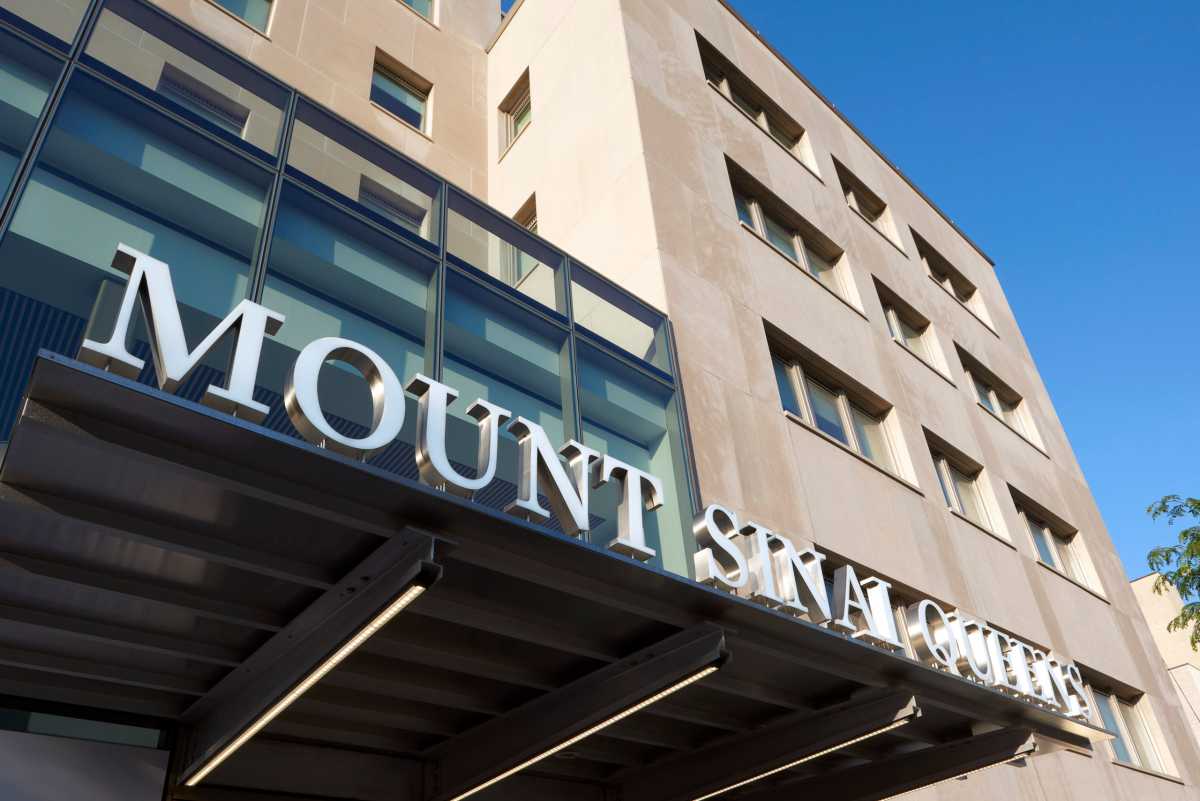
A joint statement was released on behalf of NewYork-Presbyterian, Mount Sinai and Montefiore Medical Center, which was emailed to QNS on Jan. 8.
“NYSNA leadership has chosen to abandon patients in their time of need, but Montefiore Medical Center, Mount Sinai, and NewYork-Presbyterian will not,” the statement said. “Their decision to walk out on our patients can only be described as reckless.”
The hospital systems urged the nurses to rethink the strike, but said they were prepared to do “whatever is necessary to minimize disruptions to the delivery of the safe, high-quality care we are known for” in the event of one.
In another statement emailed to QNS by a spokesperson for NewYork-Presbyterian, which has a location in Flushing, the hospital system accused nurses of threatening to disrupt patient care across the city.
“NYSNA’s threatened strike is intended to disrupt patient care across the city,” the spokesperson wrote. “We have taken the necessary steps to ensure that our patients will continue to receive safe, exceptional care. We will always meet our fundamental obligation to the communities we serve.”
The spokesperson also claimed they are fully committed to bargaining toward a fair contract, but claimed NYSNA’s demands of a 30 percent wage increase per year over the course of three years was “unrealistic,” stating that the union was demanding an increase in average salaries from $110,000 to $272,000, for only 10 days of work, by 2029.
A spokesperson for Mount Sinai, which has a location in Astoria, claimed it proposed to invest over $27,000 in each nurse over the next three years, which includes wages and benefits. In total, it said it would invest over $105 million in wages.
The Mount Sinai spokesperson said it never proposed cutting healthcare benefits or the number of nurses employed, pointing to its hiring of over 1,000 nurses over the last three years. Over the last 10 years, they said it has increased nursing staff by 2,000, or 54 percent, and reduced its nurse vacancy from 514 in 2022 to 92 as of today.
“Our nurses are an invaluable part of our care teams, and we remain ready to reach a new agreement that recognizes their tremendous impact on providing world-class care to patients every day,” the spokesperson wrote. “But we cannot agree to a contract that harms our ability to invest in other areas across our system or jeopardizes the long-term health of our system and threatens the financial stability of hospitals across New York City.”
NYSNA fights back
Hagans countered the hospitals’ claims and said the nurses’ demands were for the purpose of better patient care. She said the nurses were putting patients at the center of their advocacy, arguing that better staffing and protections would result in more attention and quality care for patients in the hospitals.
“Nurses are not asking to go on strike — the rich CEOs and rich hospitals are putting the nurses on strike,” Hagans emphasized. “[We] want to put patients before profits, and we are asking the rich hospitals to do the same.”
Hagans said she has been a nurse for over 40 years and stressed that more nurses mean better care. She explained that patients could potentially stay at hospitals longer without enough nurses to oversee their treatment.
There is no reason why big hospitals cannot afford to settle a fair contract, she argued, and pointed to safety-net hospitals that did bargain with the union and reached a tentative agreement.
She also pointed to Mount Sinai’s union-busting tactics, which included retaliation against nurses who spoke out about workplace violence after a man threatened to “shoot up” a hospital in Manhattan in November. The hospital disciplined nurses who spoke to the media about safety concerns, according to NYSNA. They said two nurses were written up and one was suspended.
Hagans also accused the hospitals of spending millions of dollars to bring in travel nurses to replace existing nurses who are part of the union — nurses she said are often less qualified. She said the hospitals should instead take that money and invest it into the communities, patient care and workplace protections.
She then pointed to NYSNA’s strike three years ago. Once again, she explained, the hospitals had refused to bargain about unsafe staffing for patients. The union eventually won its contract after three days of picketing.
However, she said these hospital systems are now trying to backtrack on the working conditions nurses fought for in 2023.
“These same hospitals are trying to undo the progress we’ve made on safe staffing for our patients,” Hagans said. “We are continuing to bargain every day with the hopes of reaching fair contracts and averting a strike. But just like three years ago, nurses are ready to do whatever it takes to protect our patients.”