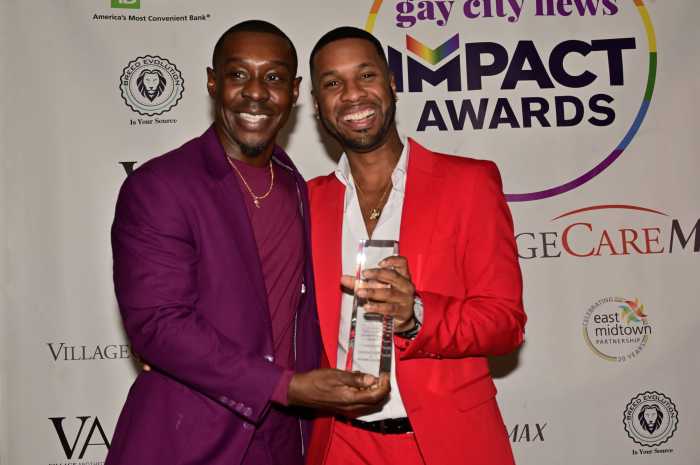

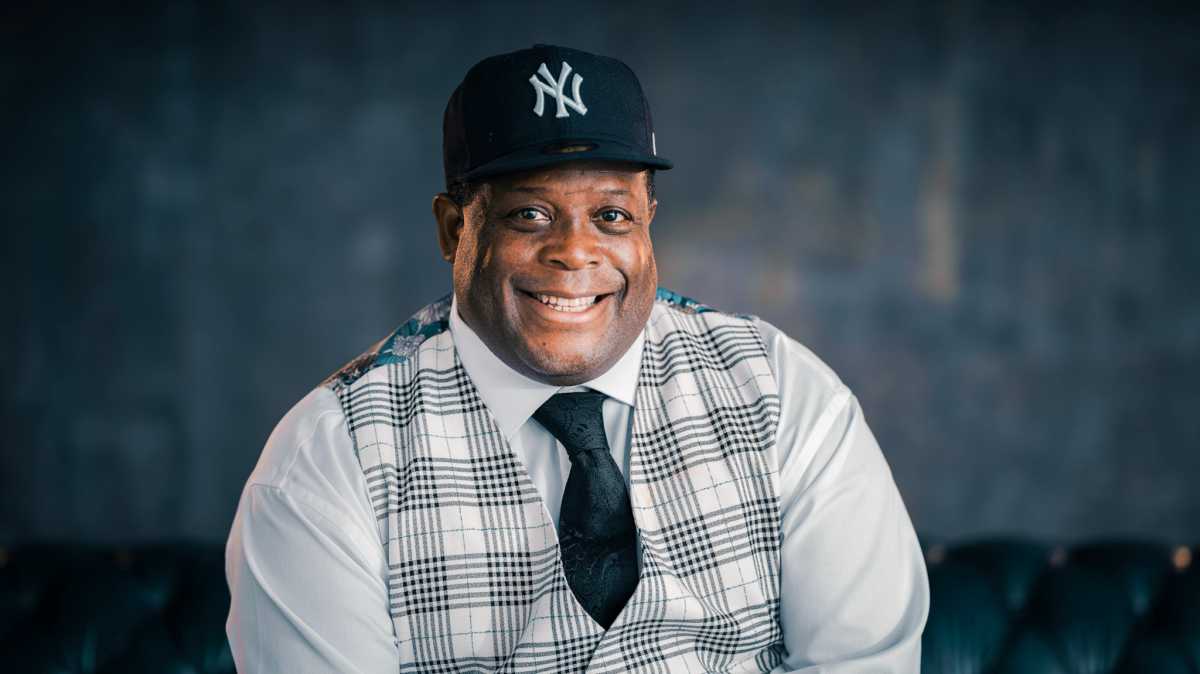
Damien Douglas, a Queens native turned Hollywood producer, rose to fame in the early 2000s for producing films that explore themes inspired by everyday life. He has since released over 30 films spanning many genres, including sci-fi, horror, comedy and action.
The self-taught producer and showrunner said his main goal is to entertain audiences and tell the stories he wants to tell. However, he said if his films spark curiosity and encourage audiences to learn something new, that’s always a welcome outcome.
While Douglas traded his career as an R&B and hip hop executive at Bad Boy and FB Entertainment in New York for the star-studded film industry in California, he said he remains a New Yorker at heart.
Douglas sat down with QNS to discuss his decades-long career and how his experiences growing up in LeFrak City have shaped his approach to filmmaking.
A lover of film
QNS: What influences did you grow up with that inspired you to enter the film industry?
Douglas: The story isn’t what you would think. I’ve been a fan of film my whole life — but I didn’t get where I am because this was a trajectory based on my upbringing. I found my way to Hollywood in 2007 through marrying a young lady who wanted to be an actress. So, we came out here to give it a shot and I started on the road to becoming a producer to support her career. I originally had a stint working in the music business. I was running a magazine, and I worked on Wall Street for a decade. But now, I can say that I’ve had 18 years in the film business and learned about it in every capacity. So it’s not your traditional “Hey, he grew up loving movies and was writing scripts and had a camera filming around LeFrak City and putting things together,” — it was never that.
QNS: What are some of your favorite films and influences?
Douglas: I grew up in the ‘80s, so I love ‘80s horror movies. I’m a fan of everything George Lucas has done. I’m a Star Wars geek. I love movies like the Godfather — the script for that movie is great — and I love Princess Bride. I love TV series, as well. I just love films and can just go on and on and on and on.
QNS: What is your favorite movie?
Douglas: You’ve got to pick a genre of film — there’s no one movie I can simply say I can sit back and watch multiple times over and over again. There’s movies where anytime they’re on, I’m watching parts of it. Like Star Wars, I love episodes 4, 5 and 6. But there’s also parts of 1, 2 and 3 I like, and 7, 8 and 9. Same with the Godfather — there’s some parts I like and some parts I can do without. I also love the Halloween and Friday the 13th movies.
QNS: What are your favorite movies of your own that you worked on?
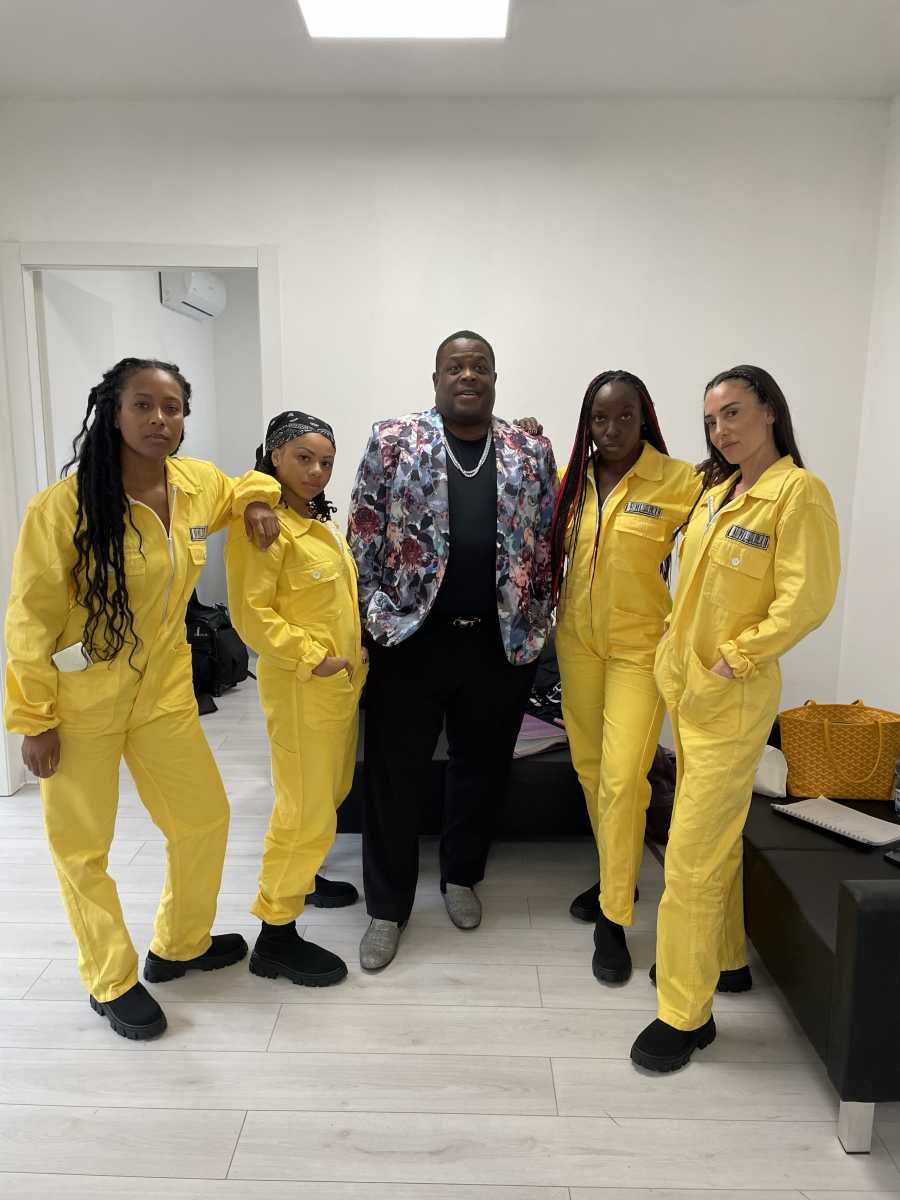
Douglas: The Paradies franchise has always been close to me because that’s how I started my own stuff. I started figuring out how to make movies with those — it’s kind of like my Friday the 13th. But I love Lunar Lockdown and Deadly Desire. I just did To Get Her in Italy, which is a phenomenal movie with Amber Stevens West, Branden Wellington, Jhoné Lucas and Paide Hurd. Fatal Detour was also so unique in itself because it’s like, what if your car self-drove and it took you somewhere that wasn’t where you wanted to go. I like my movies. I like my movies a lot.
Navigating a Hollywood career
QNS: How did you learn how to be a producer?
Douglas: I jumped right into it. That’s the thing — you bump your head a bunch of times and you start learning how to not bump your head. It’s chaos and order. You know, people think those things are different, but they’re really the same. And when you figure that out, that’s the first step in the business. It just depends on where you’re sitting. I didn’t know how to write a script at first, and I didn’t go to writing school. What I learned while I’ve been here is that my talent is being able to tell stories and putting things together. I will never fashion myself as a “writer,” — I just think I can tell stories that the average person wants to see, wants to enjoy and wants to be a part of.
QNS: You’ve worked on 30 projects in the last 5 years — how do you juggle so many at once?
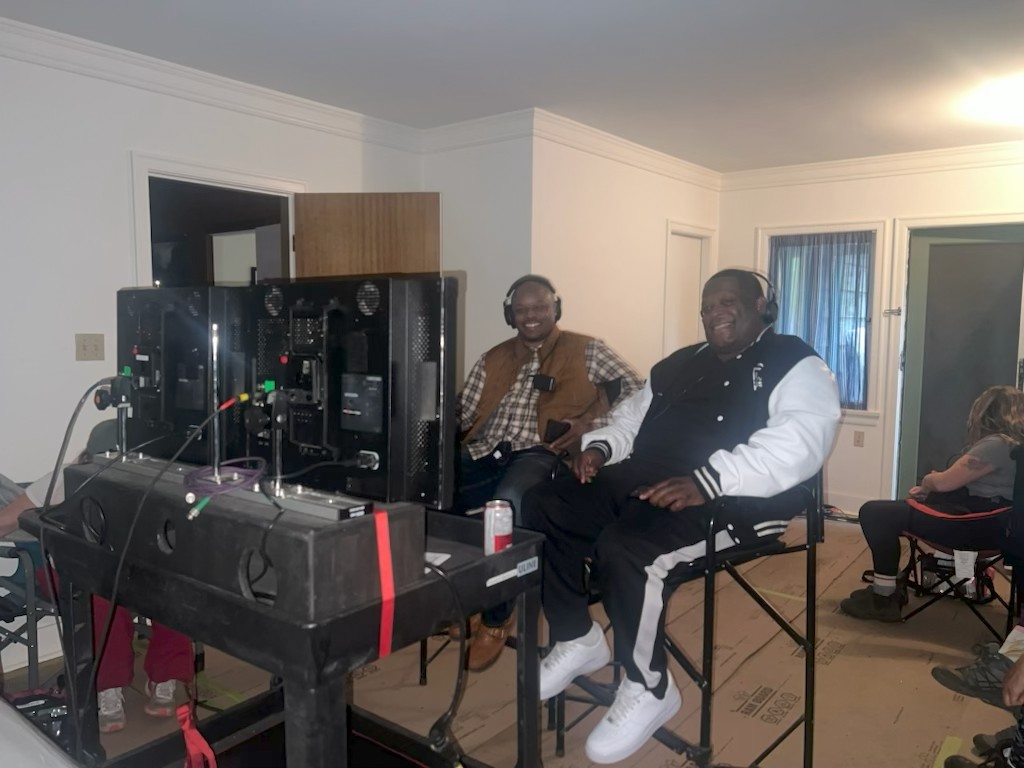
Douglas: I have a great team, and that’s what it is. I have guys I work with in Los Angeles Studios for some projects, and my partner is at Plymouth Boulevard for other projects. It just depends on what I’m doing. I’m writing with my writing team, creating the projects, casting for the projects — but different production companies are executing the production. So I find myself going from set to set making sure my story is being told properly. You hire the best actors for the job and then you trust your team. I’m not a director. I’m not sitting there yelling “action” and “cut.” I hire people to do the right thing and I trust them to deliver the stories.
QNS: What does your production schedule look like, then?
Douglas: Well, I try to space projects out so I’m not in physical production all at the same time. You can be in production for one and in development for another, and then in post-production for a third. Those projects may be released at the same time, but that’s actually up to the distributor — Netflix, Hulu, Paramount Plus, or whoever. But they’re all programming their release schedule around when you deliver the film.
QNS: How long does it take to put a project together?
Douglas: So, I may be talking to a network, and they could ask me to deliver on July 4 because they want an Aug. 4 release date. It’s 30 days of pre-production and 30 days of shooting, so that’s at least 60 days it has to come together before it can go to post-production which is normally 30 days. It’ll be 90 days or even longer before I even get started shooting. You have to schedule accordingly. As for the writing process, that comes way before. During the pandemic is when I created a lot of these films, so that’s why you see a lot of stuff came out between 2021-2024. But, for example, I created Deadly Desire in about a month and a half and we were in production two months later.
QNS: What actors have you worked with, and what is it like watching them bring your vision to life?
Douglas: I’ve worked with so many great actors. Robert Ri’chard is a great actor, Jhoné Lucas is a phenomenal actress. My niece, Summer Arroyo is a great actress. I’ve gotten to work with Raven-Symoné, Jennifer Freeman, Michael Beach, Kadeem Hardison, Brandon Quintin Adams, Golden Brooks, Jill Marie Jones, Lawrence Hilton-Jacobs, Danny Glover, Evan Ross and Joseph Sikora. I’ve seen them do a lot of things, and I’m just amazed.
QNS: What is it like when you see your vision come to life and it ends up being different than what you intended it to be?
Douglas: It’s always different. Always. And that’s the funny part, because I’ve had to learn that it’s never going to be exactly what I want, and sometimes it’s going to be better than what I want. It’s still surreal for me to sit there and watch a film that was an idea in my head come to life. Like, Lunar Lockdown I did because I wanted it to do Black women in science fiction. Everybody was talking about Epstein Island, and I imagined, “What if there was a prison on the moon with these notorious criminals?” It’s as simple as that. Epstein Island on the moon.
Methods of storytelling
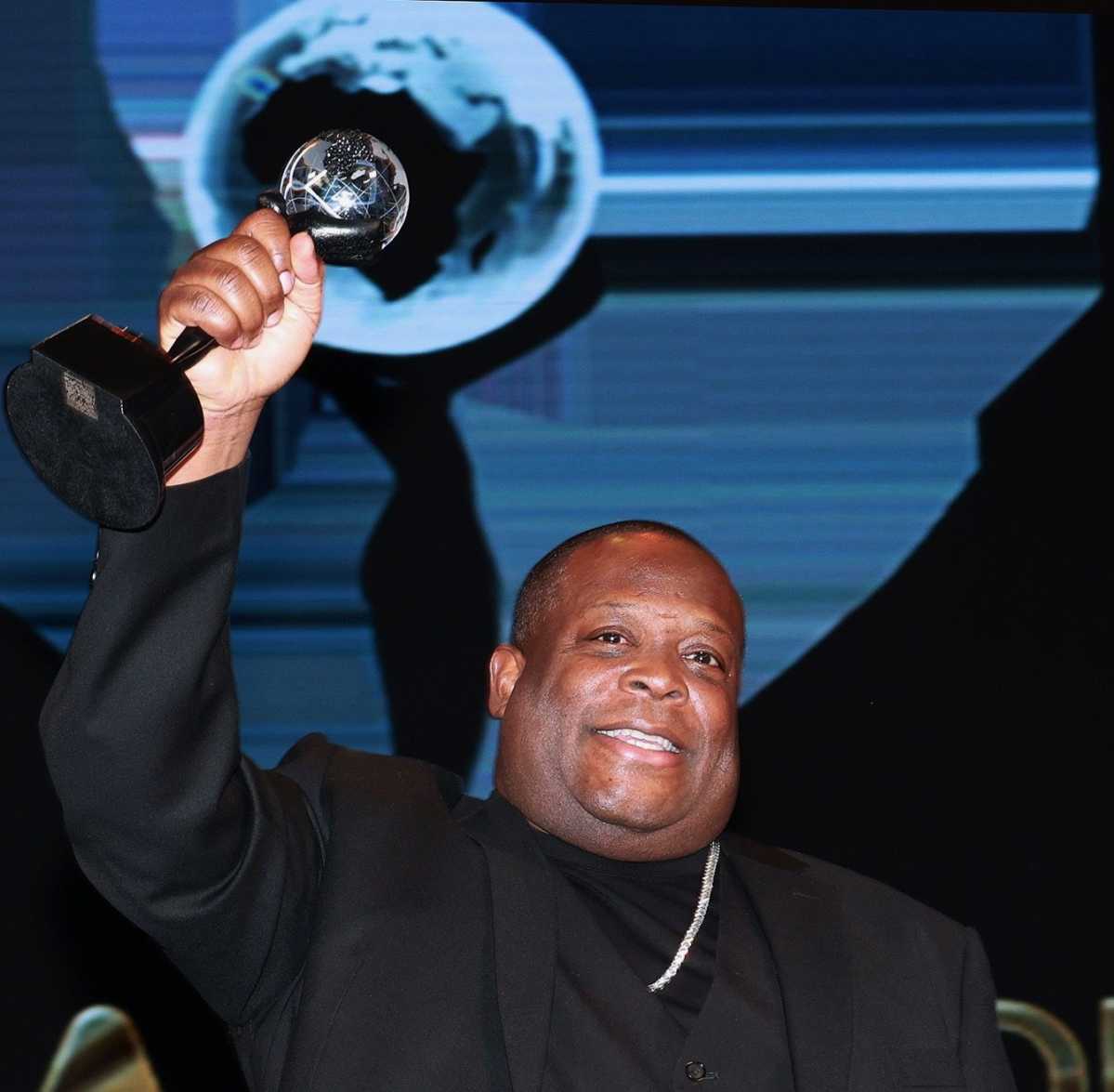
QNS: You say you find it important your team tells your story properly — what stories do you want to tell?
Douglas: Well, I think art imitates life. I tell stories that are extensions of what life can be. I like to tell thrillers, horrors, action adventures and epics. The biggest epic that I’m working on now that I plan to shoot is a sword-and-sandal movie with people of color — Moors — which has never been done. I mean, I’m humble. It’s hard to say in Hollywood that something’s never been done and you’re going to do it. This business far exceeds me, and the greatest that have ever done it are still around in this business, so I don’t consider myself in their league. But I did touch on something that’s never been done.
QNS: Why are stories like Moors so important to you?
Douglas: Think about any one of these kinds of movies — Lord of the Rings, Gladiator, Troy, King Arthur, Robin Hood. Any of those movies where people are swinging swords in sandals. You think of white people, right? You don’t see people of color. They act as if we didn’t exist during that time period — but we did.
QNS: Why is a story like that so important for people to see on a screen?
Douglas: I’m not here doing education or trying to teach the world through film because I think it’s good for people to see it. I don’t believe in that. But when you tell stories that haven’t been told and touch on things that make people want to open a book, then so be it. I got inspired to do Moors because of a scene in True Romance between Dennis Hopper and Christopher Walken talking about how all Sicilians came from Black people. I always wondered if this was true, so I looked it up. Sure enough, it was. It’s a very fascinating time period, and I said, “Wow, I’d love to tell that story.” So there you go — a movie I was being entertained by made me look something up and decide I wanted to do that. So my goal is not education. But, if it’s being done properly, it should open the door.
QNS: What is it like telling all these different stories across a huge range of genres? How do you incorporate things like humor and action and all these components?
Douglas: Well, think about it. I’m a New Yorker. If you want to figure out how to put all those things together, get up any morning during rush hour and go from one borough to Manhattan and back. I assure you, you’ll cover everything. The biggest comedy in the world is life, and it’s the biggest horror at the same time. You can literally draw parallels in any film to anything from day-to-day life. If you decide not to take it too seriously and step back for a moment, as if somebody was watching our life as a television show, they’d be very entertained. It’s the statement “I couldn’t have written it better myself.” These are things that just happen.
QNS: How have those experiences separated your work from tropes you see in Hollywood?
Douglas: Well, there are some tropes that are fun to play on, and there are other tropes that belong to everybody. I like to mix them up because we’re all a little piece of everyone, you know? We have all learned to live in a small space together, and it’s funny because those little nuances separate us from the rest of the world. When they’re looking at other ethnicities and backgrounds based on what we see on television, that creates a narrative of who that person is. But that’s crazy — when I’m writing something, I’m not going by the narrative that I was shown on television based on stereotypes.
Learning from experience
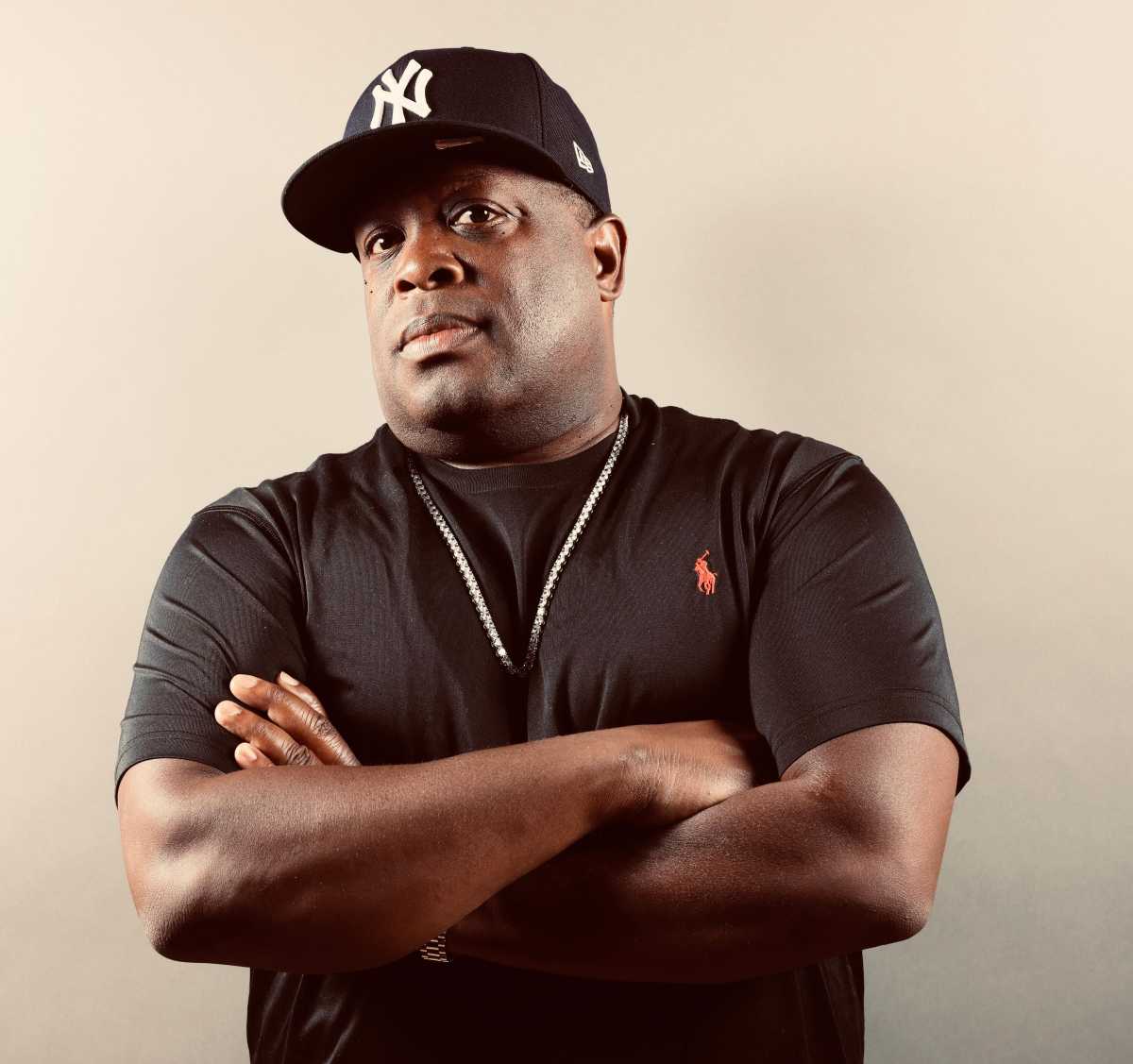
QNS: While Queens didn’t impact you going into film, did it have any impact on who you are today?
Douglas: Oh yeah. I went to Forest Hills High School, Halsey Junior High School and P.S. 206 for elementary school. Between the age of 9 and the time I graduated high school, I have hung out with every ethnic background that exists and heard every language. You realize, more than anything else, we are all the same. The fact that people keep trying to divide us is hysterical. If you’re in New York City, you will see a little United Nations walk by you at any given moment. When you do this everyday your whole life as a pedestrian in NYC, you walk around and interact with everyone, even if you don’t realize it. You don’t have to say hi and get a cup of coffee with them everyday, but you’ve taken a train. You’ve held the door for someone you don’t know. You’ve interacted with people without even knowing it.
QNS: What have you learned throughout your time in Hollywood?
Douglas: There’s no way 18 years ago I could have dreamed of undertaking this. I would have embarrassed everyone and myself, and no one would have taken me seriously. It’s hard to get people to take you seriously. In this town, people want to make money, and they’ll lie about what they want to do and their intentions. There’s a lack of accountability and authenticity. People can say things to your face that they don’t mean. Being a New Yorker, that’s not something any of us can do no matter what your ethnicity is.
QNS: What kind of things do those people in Hollywood say?
Douglas: There’s just things people do that I’m blown away by the audacity. Like, you walk to the train everyday and pass the operator — you’re not going to be disrespectful to them in the morning knowing you’re going to see that same person the very next day. You’re not going to be rude to the guy that hands you your coffee, or give counterfeit money to him and act like you didn’t next time. There’s just a level of accountability as a human that you have when you interact with the same people in your neighborhood everyday. Hollywood does not care. They think they can do these things to people because you’re in a hierarchy or you’ll just never see them again.
QNS: Have you ever personally experienced that?
Douglas: No — I watch and learn. I’ve been blessed that this has not happened. I tend to keep up my relationships where I don’t think anyone would want to behave with me in that manner. I think we’re all pretty honorable people that I deal with — we say what we mean and mean what we say. That’s the kind of people I keep around me.
QNS: What’s something about you or the industry the audience might not know but you want them to know?
Douglas: I’m a fan of film, and being a fan of film is what makes me a good filmmaker, but being a fan of movie stars I hope makes me a great filmmaker. I believe in movie stars, but I think people are losing the value of them everyday. Social media is making everyone think that they’re a movie star, and we’re losing the value of what it is to be around these celebrated people who make things you want to see. When you go to the theater, you transport someplace. I just don’t want people to diminish that.