
While snow is still piling up in Queens, the Fresh Air Fund is warming things up and looking ahead to summer camp season.
The nonprofit announced that applications for the free summer camp program are open to eligible families with children ages 8-15, who can enjoy outdoor summer adventures and build special bonds with their fellow campers at no cost.
Families that live in New York City, have children that attend NYC schools, and are eligible for food assistance meet the requirements to enroll in the camp.
Applications are open for six camps — Anita Bliss Coler, Hidden Valley, Hayden-Marks, Camp Junior, Camp Mariah and Camp Tommy — which are all located in Fishkill, in the Mid-Hudson Valley area, and will operate in sessions from June 29 to Aug. 14.
Any parents unsure if they meet the requirements can get help at FreshAir.org and ask for assistance filling out the application through a video call. There are also videos available on the website and in-person orientations for families who want to inquire about the program.
The Fresh Air Fund encouraged families to submit their applications sooner rather than later because spots fill up quickly. This year, the program will have the capacity to accept around 2,100 campers.
What’s the camp all about?
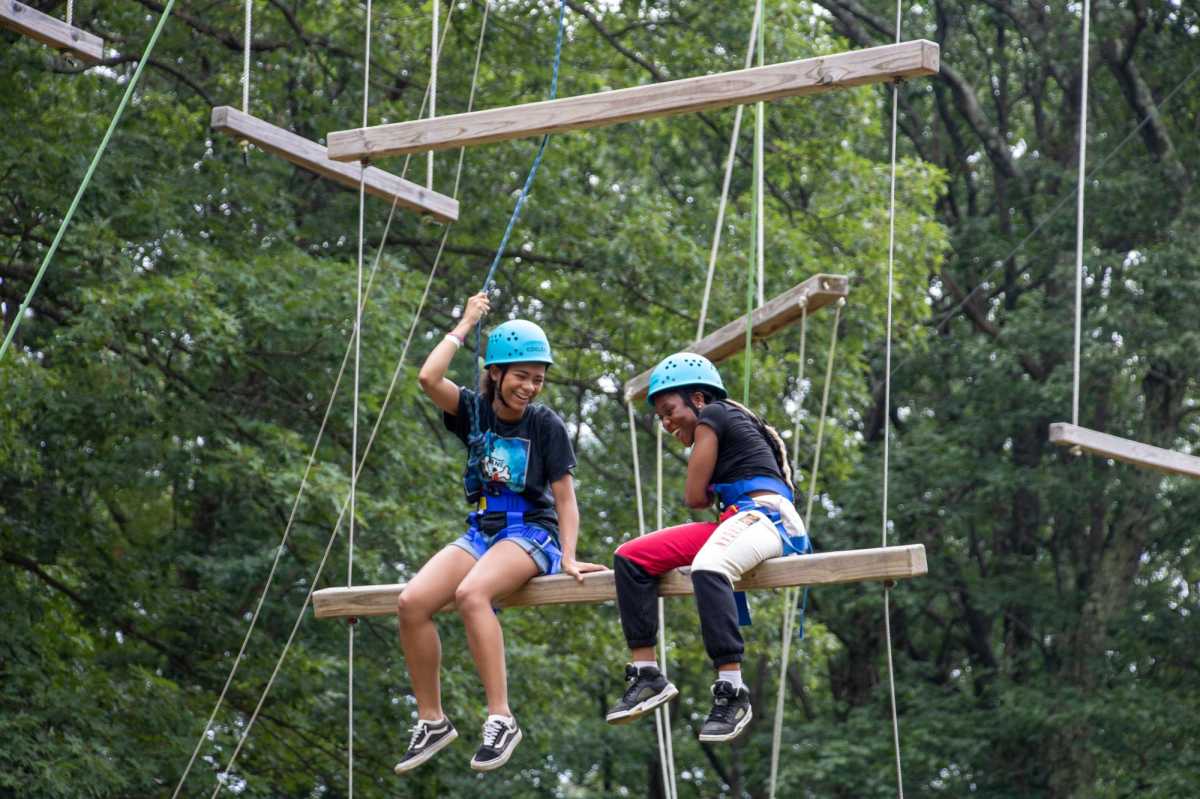
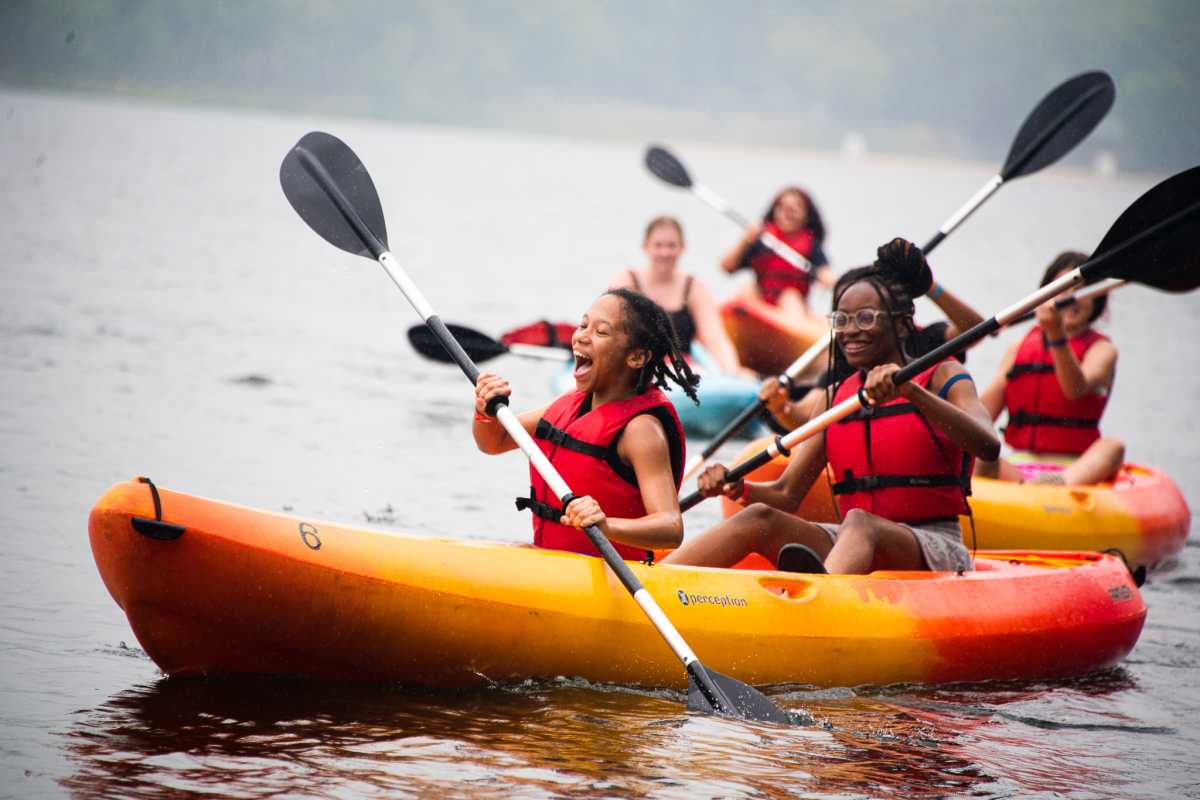
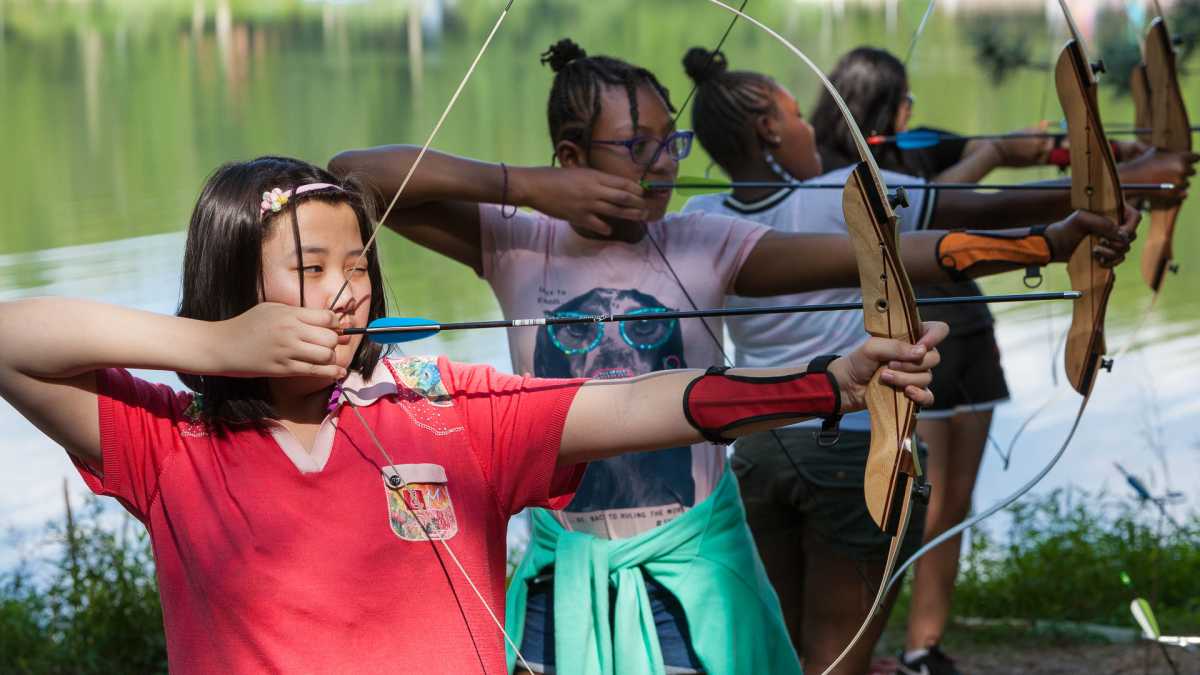
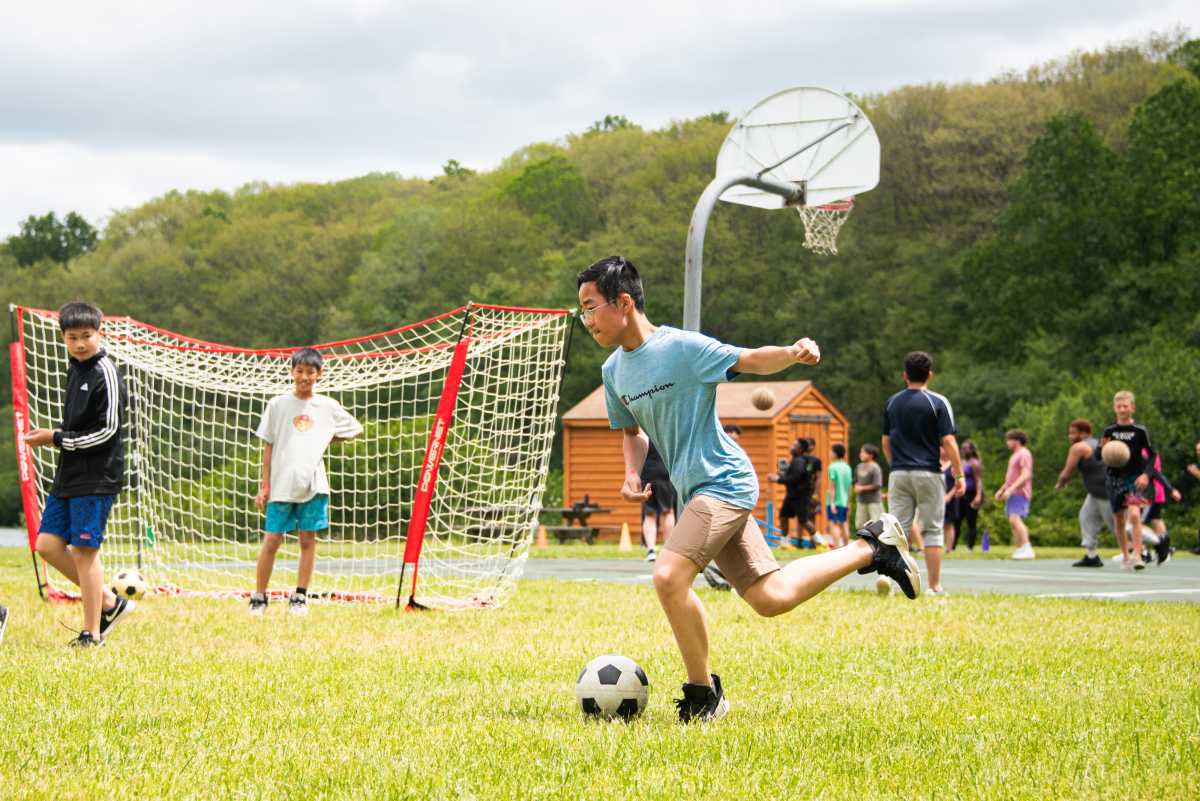
The Fresh Air Fund provides outdoor activities, swimming, engineering, photography, art and music classes, sports, talent shows, archery lessons and plenty of s’mores.
While each camp operates a bit differently and has varying criteria that determine eligibility — such as all-girls or all-boys camps — they all foster youth leadership, face-to-face connections and a few days far away from phones and social media.
Lisa Gitelson, CEO of the Fresh Air Fund, said the camp serves about 2,000 kids at the six camps each summer, which are separated into sessions that last between 10-12 days.
Each camp is run by a camp director and about 50 staff members that offer instruction, guidance and medical care if a camper gets injured or falls ill.
“I truly believe our summer programs are transformative,” Gitelson said. “It’s a joyful experience that will impact you for the rest of your life in the best kind of way.”
She said equity is a huge part of the Fresh Air Fund’s mission, bringing quality summer camp programs to communities that would otherwise not have access to them.
The nonprofit pointed to studies that show 61% of high-income families send their children to summer programs while only 27% of low-income families do, making them more than twice as likely to do so.
Children who return from camp come back with a new sense of independence, Gitelson continued, interacting with nature in new ways that positively impact their mental, physical and emotional health.
“It’s good to try new things and meet new people,” Gitelson said. “It’s joyful, it’s fun and it’s exciting.”
Making real connections
According to Kristin Short, the senior director of camping at the Fresh Air Fund, it’s sometimes a struggle to keep kids off their phones, but it has remained a rule since the camp first began.
However, she said many kids come around to it and end up enjoying the phone-free experience.
“It’s why we have people come back to the camp,” Short said. “They value the connections that they’re able to make more than their Snapchat streaks and TikTok.”
She said everyone at the camp bonds with each other through friendship and peer mentoring, fostering a fun and safe environment that provides meaning to all involved.
“It’s like, you all belong here,” she said. “You have value and a place here because you are you. It’s that magic of belonging.”
The program is youth-centered, Short explained, meaning kids have the opportunity to bring ideas to the table about what they want to see at the camps through youth and parent advisory boards.
The boards meet and discuss camp curriculum, anti-bullying efforts and how to make the overall experience more friendly and comfortable.
She said the staff members come from all over the world, adding to the camp’s richly diverse experience and allowing kids to learn more about other cultures.
Many of the counselors bring specialized skills to the camps that they’re passionate about, such as engineering, lifeguarding, performing arts and more.
“They open up pathways for the future,” she said. “It’s really formative to think how you can experience the world when you’re at camp.”
A camper’s experience
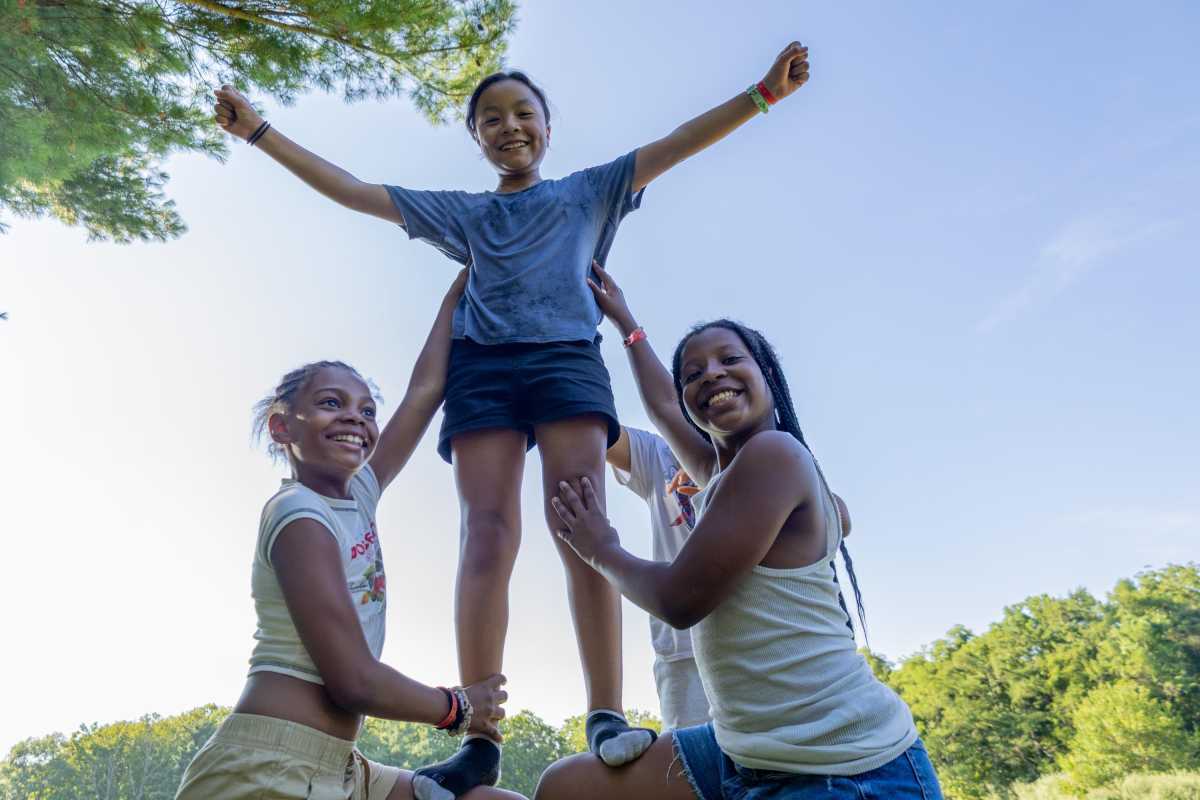
“It’s a lot of fun,” said Naia Latorre, an 11-year-old camper at the Fresh Air Fund. “It’s very different from staying home the whole summer. You’re always outside, you’re not really allowed to use your phone — it’s just a nice experience.”
Naia, who has been attending the Fresh Air Fund camps since she was 8, said she was nervous the first time she went away to camp.
But, halfway through the first day, she said she was so busy that she couldn’t even think about missing home.
The summer camp is a great way for her to connect with other kids her age, Naia said, as well as bond with the staff.
Because each cabin houses six campers, she said it’s easy to get close with her roommates — many of whom live outside of her school district in Queens and across the rest of the city.
Naia specifically attends Camp Anita Bliss Coler — referred to as ABC — where girls ages 9-14 can swim in the lake, learn skills like drumming and archery, and develop leadership skills.
She said she prefers the camp because a lot of the activities are held outdoors, giving her the opportunity to explore nature.
Her favorite activity is arts and crafts, although she said she’s very excited to learn archery this season.
Some activities, she continued, are reserved for older campers, such as an overnight hike to a lean-to shelter where campers bring their sleeping bags and make burgers and s’mores near the campfire.
“In cities, there’s a lot of light pollution, so you don’t really get to see the stars,” she explained. “But at camp, when you go on the overnight hike, you do. It’s like a huge sky full of stars.”
Naia said she’s even conquered her fear of spiders at the camp because there are so many bugs around. “You just have to get over it because it’s gonna be there no matter what you do,” she said, laughing.
Why parents love it
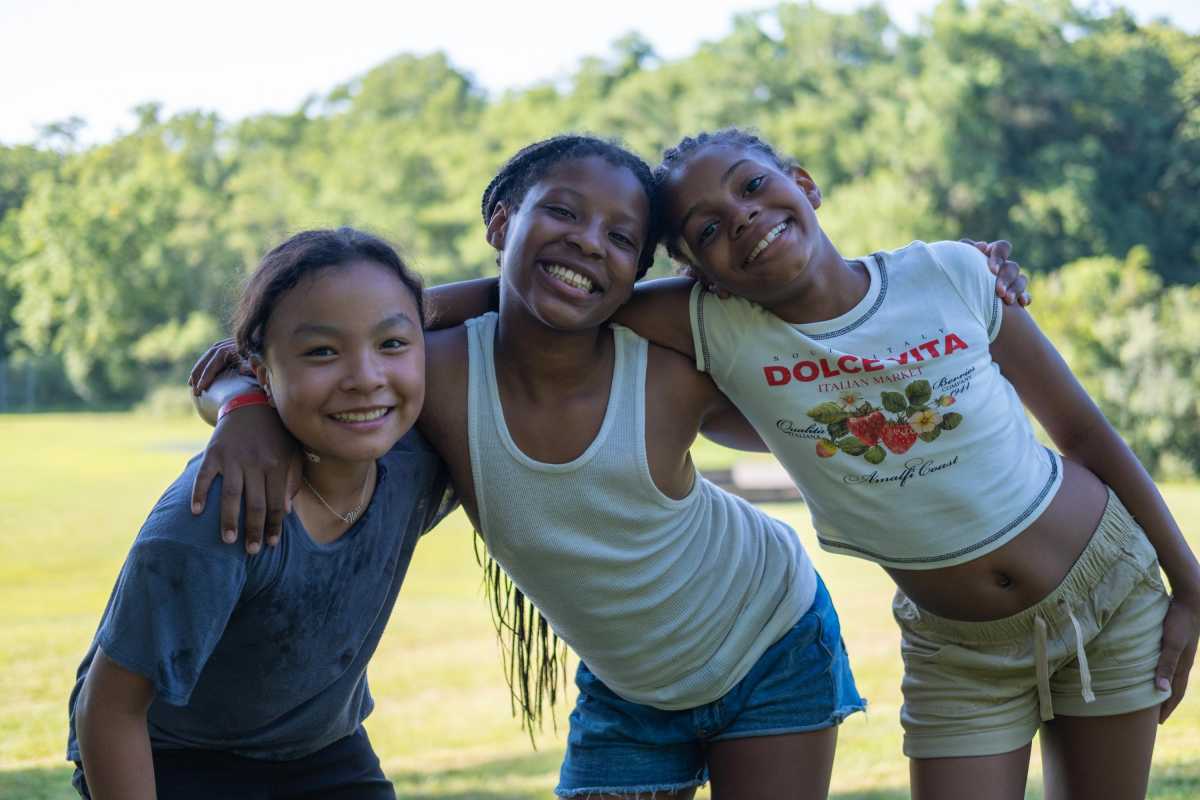
Haewon Latorre, Naia’s mother, said she originally sent Naia to an academic summer program at her school where she’d generally study math and reading.
But, Haewon said she wanted her daughter to experience the same joy she felt when she went away to camp while growing up in Argentina.
She recalled growing closer with her classmates during their summer trips, putting on skits to entertain campers, participating in group activities and staring into the night sky under a sea of stars.
“It just brought us together,” she said. “The bullies stopped being bullies, the ones that got teased were teased way less, and we didn’t bicker as much. We were experiencing something away from our parents, and whatever challenges we faced brought us closer.”
However, Haewon said many of the camps she looked into were too expensive, running prices well into the thousands.
It wasn’t until she picked up a brochure at a table event at Naia’s preschool that she learned that the Fresh Air Fund provided those same experiences for free.
“I didn’t want Naia to miss out on the camp experience,” she said. “When I found out about the Fresh Air Fund, I thought, ‘This is perfect.’ It was exactly what I was looking for.”
Haewon added that diversity is one of the main reasons she and Naia like the Fresh Air Fund.
“It’s so inclusive,” Haewon said, noting children of all backgrounds and ethnicities attend the camp. “It’s representative of all the kids that live in New York City.”
A lasting impact
Feelings are bittersweet on the last day of camp, Naia said. While she’s ready to finally go home, she said it’s hard for her not to want to stay when the camp hosts a big dance party at the end of the session.
“Everybody starts crying at the end,” Naia said. “You’ve gotten so close to one another and connected so much that it’s hard to leave, even though it’s nice to go home.”
Haewon said each year, Naia comes back home even more confident than the year before.
And the program doesn’t stop for children beyond the age of 15 — kids aged 16-17 can participate in the Leaders-in-Training program focused on social-emotional learning, personal growth and understanding what it means to be a leader.
The Counselor-in-Training program also provides an important transition for campers and supports them on their journey from camper to staff, developing leadership and communication skills and participating in team-building activities.
The nonprofit said it’s still hiring paid summer camp staff — including camp counselors, program specialists, lifeguards, nurses and more — who must be 18 or older by the start of camp.
“We’re really excited about the curriculum rolling out this summer, and we think it’s going to be a great way to elevate the experience,” Short emphasized. “Our goal is to be a top-tier program that — even though we’re free — would be worth the same as any other program.”