
Rep. Grace Meng of Queens announced that she invited Deputy Mayor for Health and Human Services Dr. Helen Arteaga to accompany her to the State of the Union address at 9 p.m. to stand against President Donald Trump and Republican attacks on health care and refusal to renew Affordable Care Act (ACA) tax credits.
Trump’s administration stated the theme of the 250th address, held in the House Chamber at the U.S. Capitol in Washington, D.C., will be “America at 250: Strong, Prosperous and Respected.”
Meng has been vocal in criticizing Trump and Republicans for the cutbacks on working-class Americans’ healthcare, stating it’s “all to provide tax breaks for the richest people in the country.” Meng is calling Senate Republicans to renew ACA tax credits for another three years, as they subsidize over 22 million Americans’ health insurance, after voting for the legislation that has already passed the House.
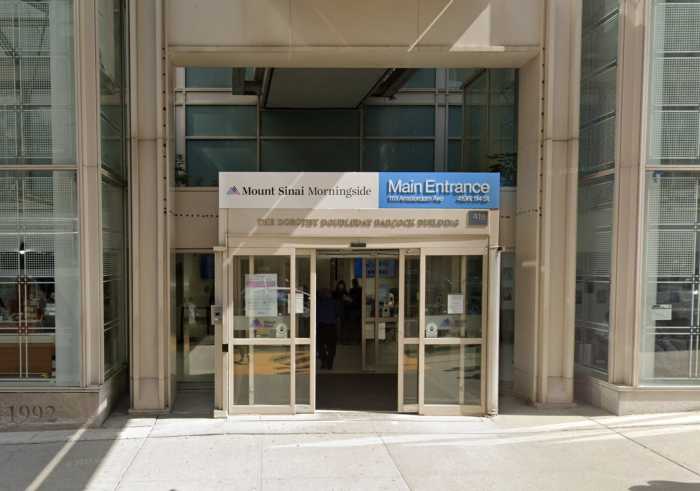
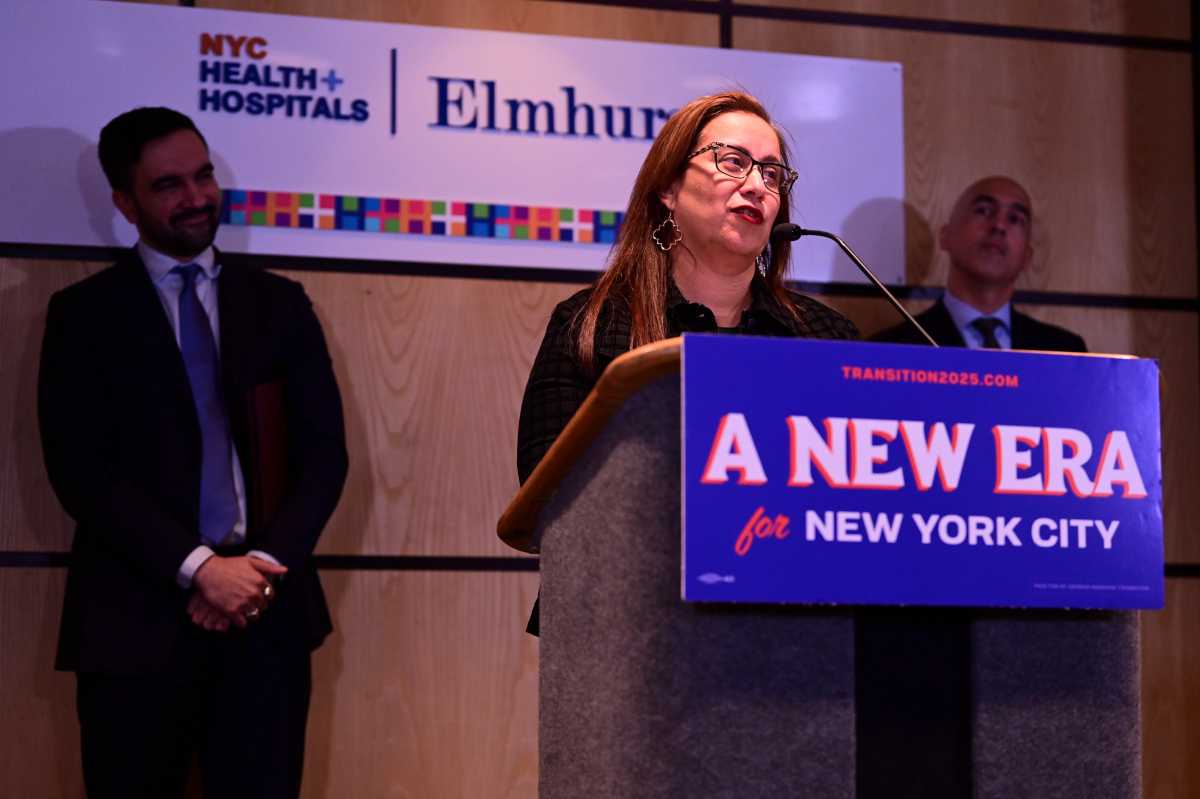
“I have known Dr. Arteaga for many years and worked closely with her when she was the head of NYC Health + Hospitals/Elmhurst,” said Meng. “She is deeply committed to our health system and ensuring that all New Yorkers receive the care they need… She and I, as well as people across New York, are united in opposing these unconscionable assaults on health care, and her presence at the State of the Union will underscore how completely unacceptable it is. We will keep up the fight against these efforts to harm New Yorkers.”
View this post on Instagram
In July 2025, Trump signed the “One Big Beautiful Bill Act:” cutting $1 trillion from Medicaid, the largest single slash to healthcare in U.S. history. The cuts primarily affect hospitals in lower income and rural communities, Community Health Centers (CHC) and nursing homes where a large percentage of patients are on Medicaid.
In 2025, 100 rural hospitals closed their doors, and experts at Penn State found that 579 nursing homes are now at an “elevated risk” of closing down, as well. According to the National Association of Community Health Centers, about half of a CHC’s revenue comes from Medicaid: both via grants and through treating the insured patients. With the loss of the federal grants and increase of uninsured patients, 1 in 4 CHCs will be forced to close or reduce service in the next two years.
“I am deeply disturbed and disheartened by recent attacks on our health care system. For millions of New Yorkers, critical services were already out of reach, and instead of helping ease the burden, the federal government cut Medicaid and gutted the Affordable Care Act, making health care less accessible and affordable,” said Dr. Arteaga. “I am proud to join Congresswoman Grace Meng at the State of the Union to represent the myriad of New Yorkers who are struggling to meet their basic health care needs and whose voices too often go unheard in our nation’s capital.”
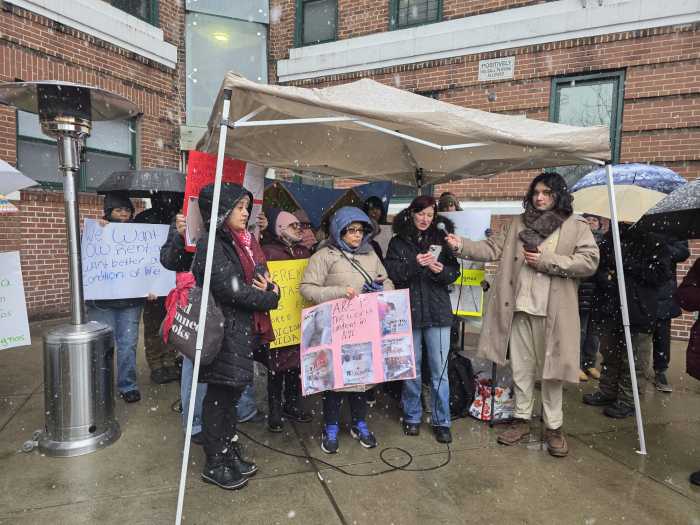
Mayor Zohran Mamdani appointed Dr. Arteaga to Deputy Mayor in late December. During her time as CEO of NYC Health + Hospitals/Elmhurst, Dr. Arteaga spent her time advocating for and educating New Yorkers on healthcare, even attending Queens Community Board 7’s November meeting to speak on though impending changes.

As of January 2026, 6.7 million people in New York State rely on Medicaid for their healthcare. The NYS Essential Plan, funded in part through federal grants, was in the process of a multi-billion-dollar expansion to provide health insurance to another million people in the state. However, Trump’s cuts threatened to push 1.7 million people off of Medicaid and the expansion funds were redirected to cover those who would have been left uninsured at the start of this year.
But it still wasn’t enough to cover everyone.
“I have been very direct and clear with New Yorkers about the disastrous impact of H.R.1 on our health care system, and the devastating choices it would force states to make,” State Health Commissioner Dr. James McDonald said in September 2025. “By reverting to a Basic Health Program, Governor Hochul is making sure that 1.3 million working people will be able to keep their affordable health insurance. Even with these steps, too many New Yorkers – nearly half a million– will lose affordable health coverage and be forced to choose between keeping food on the table and paying their medical bills.”
Uninsured individuals are less likely to go to a hospital or health center earlier to seek preventative care, instead relying on it as a last resort, causing a “lapse in managing chronic diseases, skipping life-saving screenings and forgoing other primary care services.” The 50% increase on premiums for some Medicaid plans and the cuts to federal premium subsidies from the ACA, which expired on Dec. 31, raise the cost of insurance by over $1,000 every month.
Trump leveraged exemptions on federal tariffs with 16 of the world’s largest drug manufacturers in exchange for lower prescription costs and making more available for over-the-counter purchase. However, the recent Supreme Court ruling struck down the tariffs and mandated a full refund.
The White House has not yet commented on how it will affect deals made with the global pharma companies.
“The President and Congressional Republicans slashing Medicaid and letting health care tax credits expire will have devastating impacts throughout our city. It has already caused the cost of health insurance to skyrocket and stands to strip health coverage away from so many city residents,” Meng said.