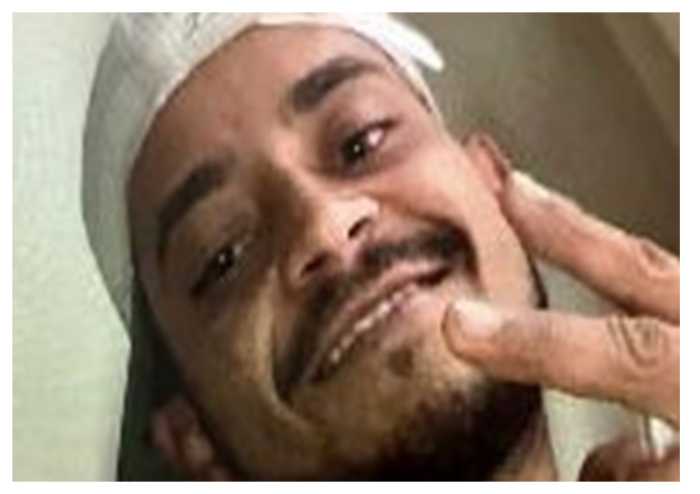
Bayside resident Marc Perez credits social media for helping him secure a life-saving kidney transplant last October. Now, he is trying to help others in similar situations get their messages out in hopes that they can also reach someone who is or knows someone who is willing to make such a generous donation.
“I’m very happy to be alive,” Perez, who turned 41 earlier in February, said. “I get a second chance to finish what I started and fulfill my goals, business, family, personal or otherwise. The second half of my life is starting, and I’m extremely grateful.”
Perez was diagnosed with advanced IgA Nephropathy, a condition in which an excess buildup of IgA antibodies leads to inflammation and long-term damage in the kidneys, in 2009. The disease causes kidney function to decline over time, leading to kidney failure and necessitating the need for dialysis and a kidney transplant.
He entered the last phase of kidney failure, Stage 5, in October 2023, when he was hospitalized for two weeks. At this stage, his kidney function dropped below 15% and he was preparing to be put on dialysis and on the list for a kidney transplant, which typically has a wait time of two to four years. NYU Langone put him on the transplant list in April 2024.
He began undergoing dialysis treatment last September after his kidney function dropped to 10%. He would spend approximately 15 hours across three days a week undergoing this grueling process.
While he was on the State of New York’s waiting list for a kidney donation, Perez also took to social media to spread his story, putting together a flyer and encouraging others to share his story. This led to QNS making an article on him and his situation last May, which then caught the attention of someone who was willing to go the extra mile to help him find a compatible donor.
Erica Rose Siegel, a realtor in Queens and the founder of the Best of Bayside, a community networking organization that highlights the neighborhood, was touched by Perez’s story after seeing it on the QNS Instagram page. She got in touch with Perez via Instagram and, after the two met in person to get to know each other, Siegel encouraged him to come to the Best of Bayside networking events to further spread his story and help find a willing kidney donor. In addition to spreading the word at these networking events, Siegel and Perez also put up flyers across Bayside.
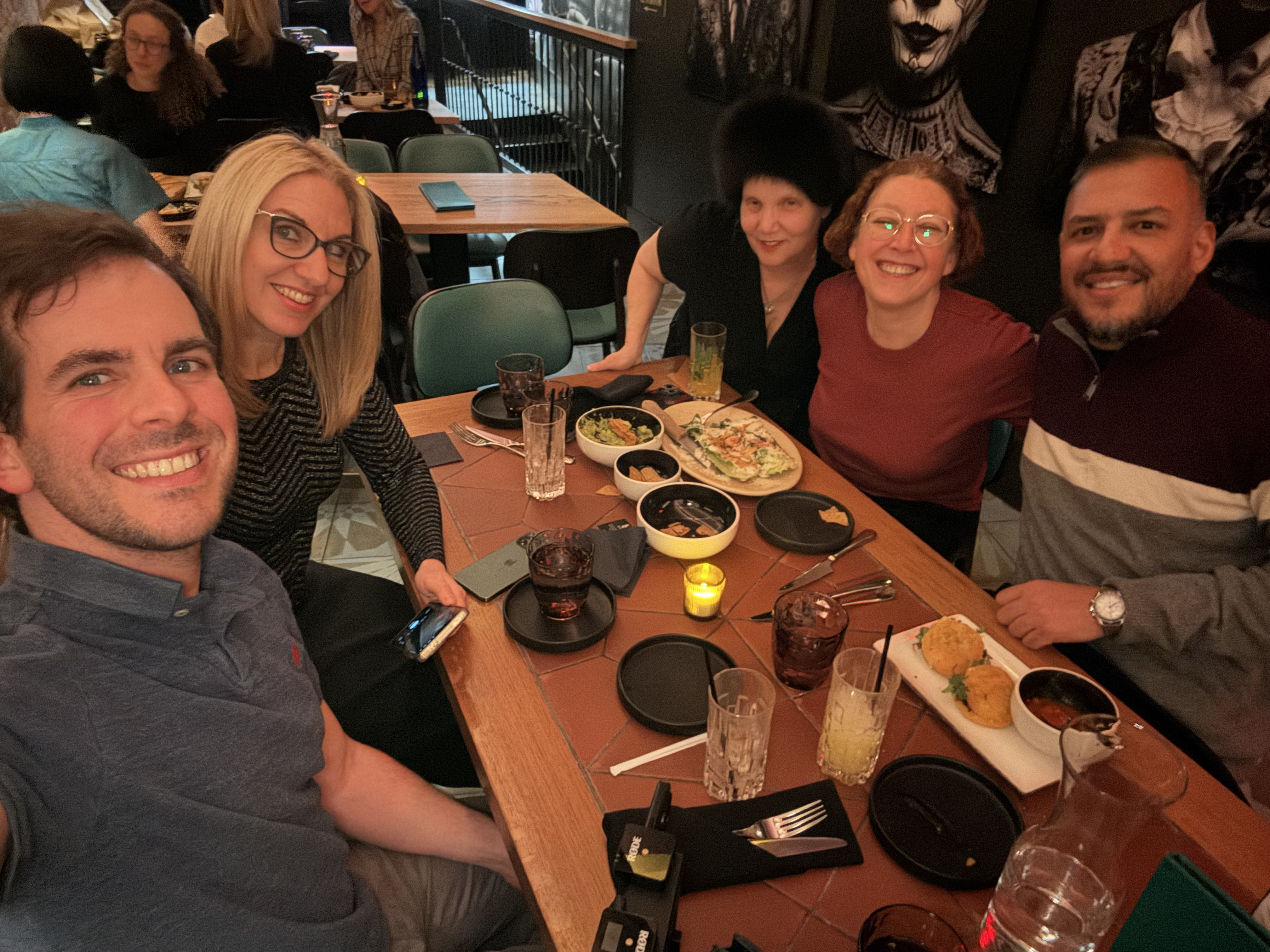
“Part of the reason why I decided to get so involved with helping Marc is because when I heard him, I heard how incredibly positive he was,” Siegel said. “We would talk and I would hear him be at dialysis four hours a day, three days a week, plus a commute. And then on his off days, he’d work out one to two hours a day. He had such big goals, such a positive mindset and such undaunted faith.”
Siegel used her marketing skills and knowledge from her background in real estate to help Perez get his story out on social media. This included taking pictures and recording videos while he was at dialysis. After putting this marketing content together, Siegel would instruct him on who and what he should tag on his posts, which were then shared across Facebook and Instagram.
“I had no experience [helping someone find an organ donor],” Siegel said. “I just felt like I can’t let a man from my town die. My dad raised me here as a single parent. I just wanted to give back.”
It was at a women’s retreat that Siegel found a lead on a potential donor for Perez. She shared his story with those at the retreat on the first day there. One of the organizers of the event told her that she knew someone, Aline Linden, who was looking to donate a kidney. She then shared Linden’s phone number with Siegel, who then provided the contact information to Perez, letting him know she was interested in being a live kidney donor.
After Perez reached out in July of 2025 to Linden, who had a surgery date scheduled for Oct. 9, she was open to helping him if she was a match for him. She contacted her coordinator to see if she could give her kidney to Perez. Linden’s kidney was found to be a perfect match for Perez after the two connected their clinics with each other.
“When we connected, one of the first questions I asked her was, ‘This sounds like a really good thing you’re looking to do, but what makes you want to donate a kidney?’ When I heard her story and her response, I knew she was for real, she was level-headed and she was doing it for the right reasons,” Perez said.
Linden had been inspired to donate her kidney after seeing a friend’s social media post around six to eight years ago about their intent to become a live kidney donor, while also going into detail about the process.
“At the time, I don’t think that I knew that living organ donations was something that you could do,” Linden said. “I was just like, ‘Wow, that’s incredible that you can do this.’ My next thought was, ‘That’s so brave and courageous and amazing. Oh my god, I should do that too!’ But it just was not a time in my life where it would have made any sense. I was working full-time and in grad school part-time. I was tutoring a whole bunch of kids on the side. My parents both had health issues that summer. I realized it’s not something you do lightly, like a spur-of-the-moment. This was something that I’d like to do at some point, but I can’t do it right now. So I tucked it away at the back of my mind and I didn’t really constantly think about it for quite some time.”
Shortly after undergoing surgery in November 2024 to have her gallbladder removed, Linden said she remembered feeling relieved to feel healthy again and thought about what she could do to help others feel better. She realized she could finally donate a kidney, as she was at a point in her life when she had less to keep her preoccupied. She would just need to take some time off from work.
While conducting basic research for the process of and where she could go for a live kidney donation, Linden found that it was available at Mount Sinai Hospital, which performed the surgery to remove her gallbladder. She also found in her research that it was a similar surgery to the one she just underwent. Linden filled out a questionnaire for living donors on Mount Sinai’s site. Eventually, one of the admins there reached out and helped set up a Zoom meeting with a nurse coordinator, leading to Linden’s decision to set up a surgery date to donate her kidney.
The surgery was initially scheduled for April 2, but a large hiatal hernia found during a CT scan caused it to be delayed. Linden underwent surgery to deal with the hernia later that month.
“At the end of July, I was feeling fine,” Linden said. “Once you’re approved, the results are valid for a year. I could have waited, but I didn’t want to. Anything can happen. Already, something happened to delay it. Why would I wait any longer? I just wanted to do it. At this point, I felt prepared. I just had two surgeries. At the end of July, I reached out to the nurse coordinator and said I really want to go ahead with this.”
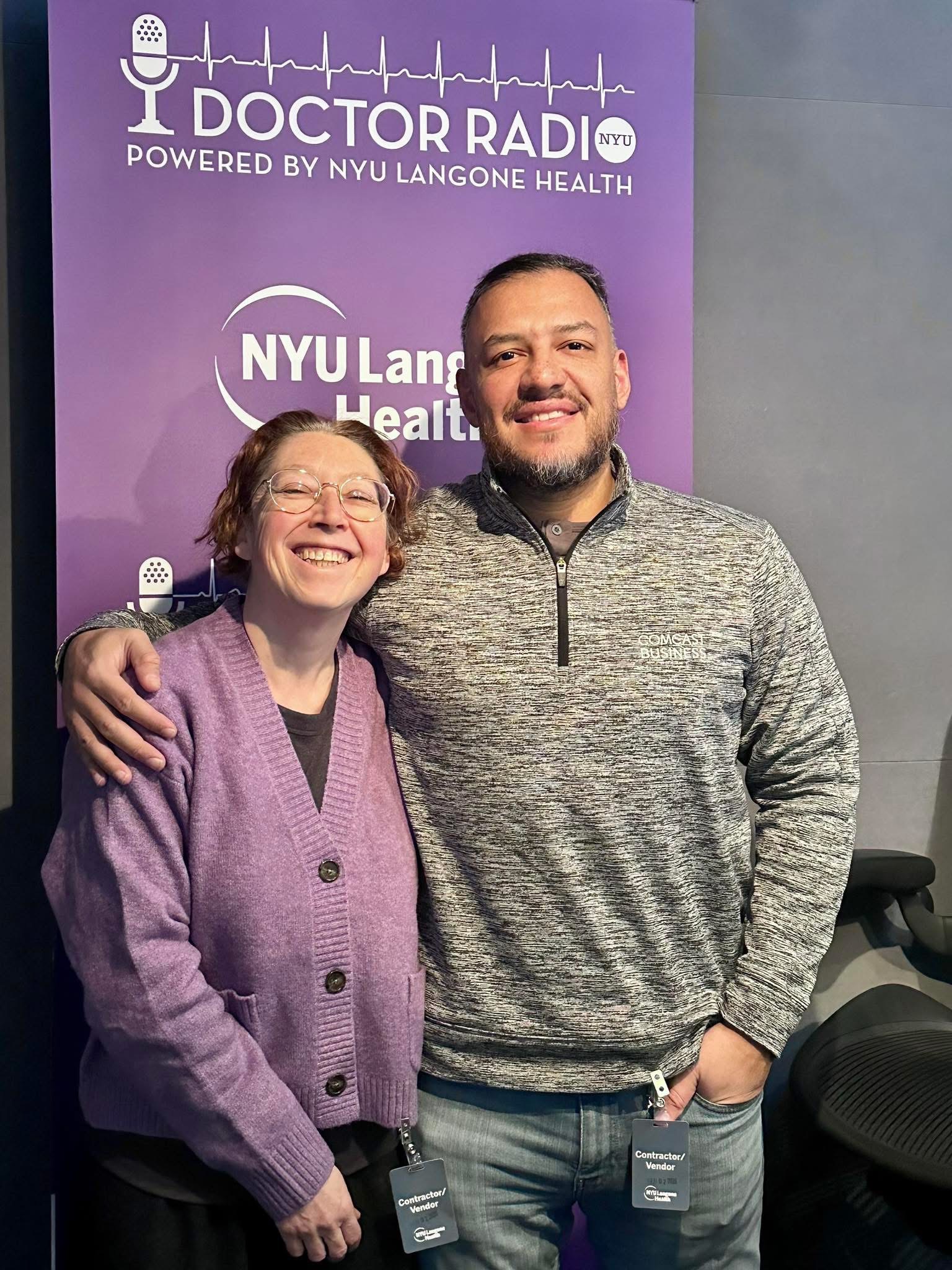
Even after Linden was found to be compatible, Siegel and Perez continued sharing his story on social media to find other potential donors in case any unforeseen complications occurred in the months leading up to Linden’s scheduled surgery. The views on his posts continued to climb, and some viewers were inspired to sign up to donate a kidney to those in need.
Perez noted that he was hesitant to celebrate until the surgery was done, as several complications or outside factors could have delayed or cancelled the surgery.
On Oct. 9, the transplant occurred without any issue. At the time, Perez’s kidneys were functioning at just 6%. “If we hadn’t found him his donor at that time, there is a good possibility he might not be here,” Siegel said.
“When I woke up from surgery, and I was finally able to have a meal after two days, because the first two days you can basically only drink ice chips, so you don’t overhydrate yourself because you’re very swollen, the hospital breakfast, which was just jello and tea, was the best meal I ever had,” Perez said. “At one point, I wasn’t sure I was going to be around or how long I was going to be around. I had already made peace with the fact that I’m going to do everything I can to fight and share my story and try to save my own life, but at the end of the day, there’s things that I can control and things that I can’t control. So if it doesn’t work out, I had already accepted that it might be the end at some point. I had already mentally prepared myself.”
“On an emotional level, it feels great, it’s just amazing to know that I was able to do this and save someone’s life and just to see how well he’s doing,” Linden said. “It’s just amazing to see that this worked. I hope that this kidney lasts for a very, very long time. What’s heartening also is he’s really taking this new lease on life incredibly seriously.”
Perez recently started a new job and moved into a new apartment, adding to the list of significant life changes.
“I’ve kind of gone back to my regular life, but at the same time, he’s moving forward in a way that’s just so positive,” Linden said. “We’ve become friends. I had no idea when I set out to do this that I would ever learn who the recipient was.”
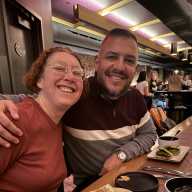
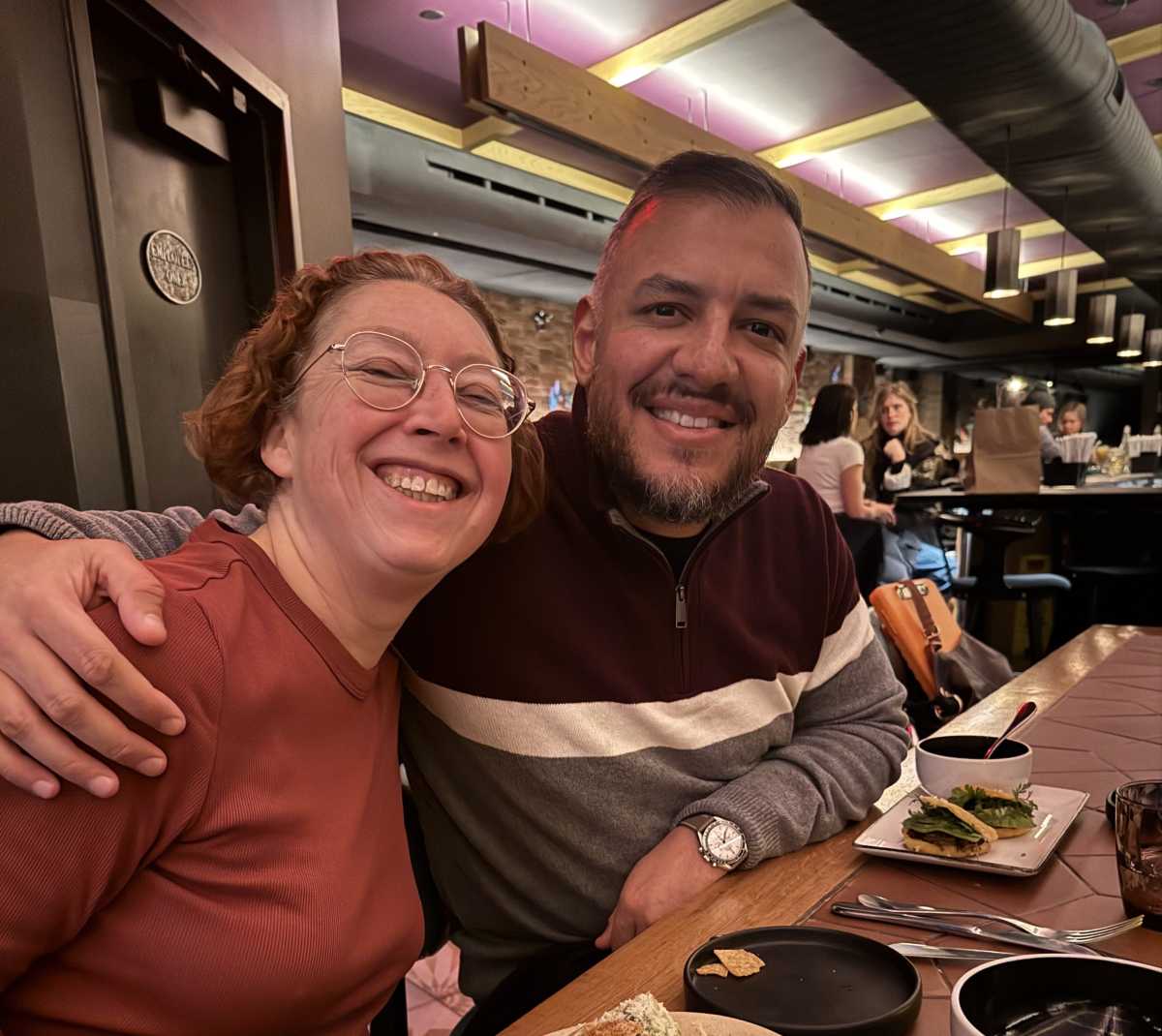
While Perez and Linden had grown close with each other over the last several months, they were finally able to meet in person last January. The meeting meant a lot to both of them.
“I would say that [live donating a kidney] is definitely not something to jump into lightly. You need to put a lot of thought and consideration into it, but if it’s something that looks feasible to you, please consider it, because it could help save a life,” Linden said. “If you are able to do it and you have family and friend support, please consider it. It’s such an incredible, amazing, powerful thing to do. It’s one of the most meaningful things I’ve ever done.”
Siegel and Perez have already been able to help others in similar spots in spreading their stories on social media and potentially find a donor. They are now also working to help the family of a 13-year-old who is in need of a kidney. His mother has been sharing his story on social media in the same way that Siegel helped Perez do so.
“Once I knew that I was okay and the surgery went well, one of my goals was to help others,” Perez said. “That was something I always put in all my social media posts. Even if you can’t donate, or you’re not willing to donate or you don’t know somebody that’s willing to donate, please at least share the story, because you never know who it could help or who might see it.”
Perez has also shared his story in multiple webinars with the National Kidney Registry, where he talked about his story and the practices taken to save his life, from health and fitness to social media messaging.
“I’m basically using my own story as a case study or a success story to try to motivate others,” Perez said. “A lot of people are just sitting there waiting for a kidney. They’re not doing anything active. They’re not being proactive.”
“Without QNS’ story, Erica may not have seen my story on social media and so she might not have connected me to the person who ended up being my donor,” Perez said. “You never knew where it was going to come from; it’s just a numbers game. I’m just very grateful that I got the chance to share my story and it worked out for me in the end and it worked out for my donor. Anybody who’s going through this, even if it’s not a kidney, it could be some other organ or some other health issue, keep fighting, be your own advocate. You have to share your story and be courageous enough to put yourself out there and just keep doing it consistently. The right person will hopefully eventually see your story.”
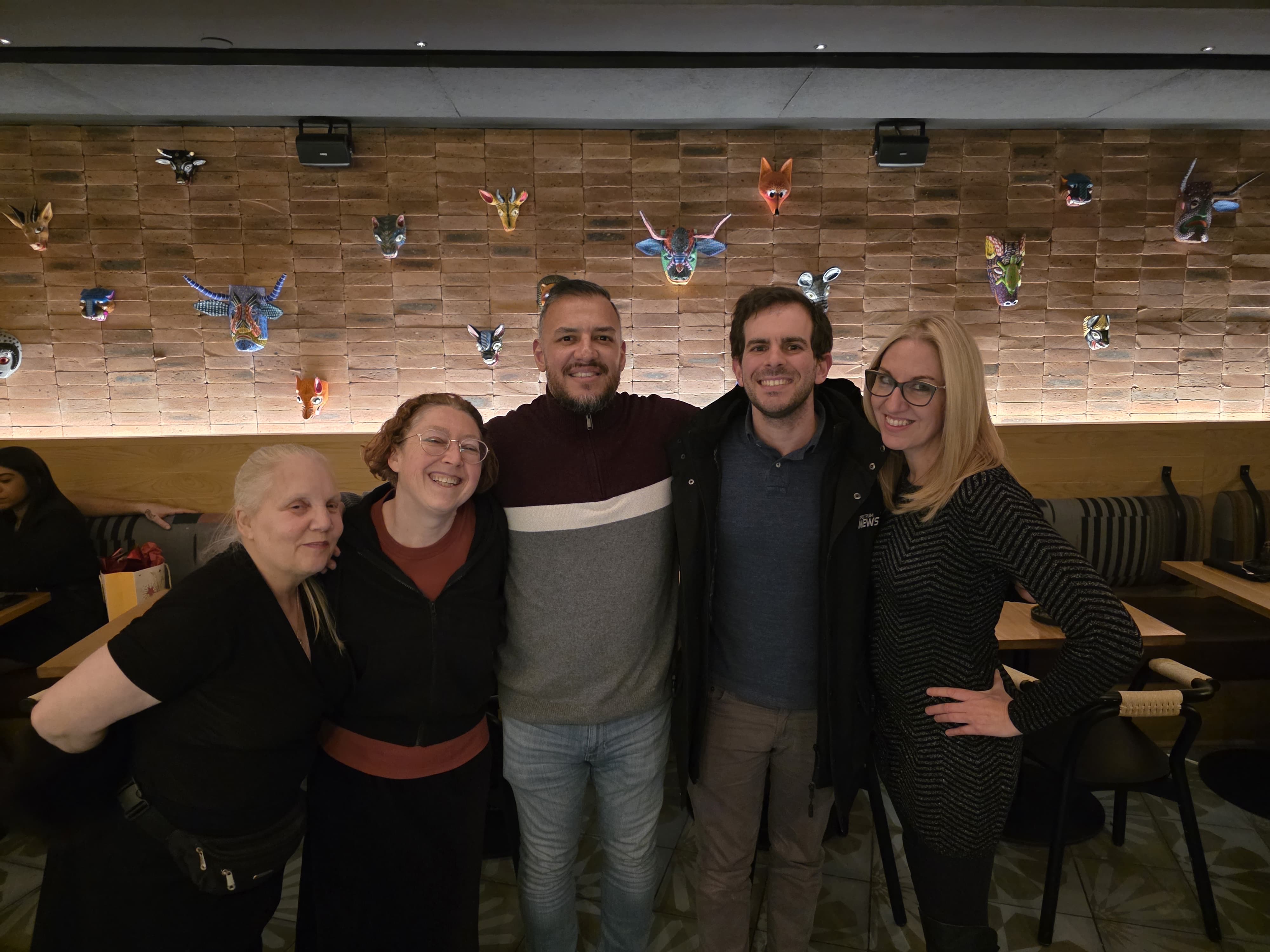
Perez invites those who may be in similar situations to reach out to him for advice on Instagram(@rennaissanceman210), LinkedIn or Facebook.