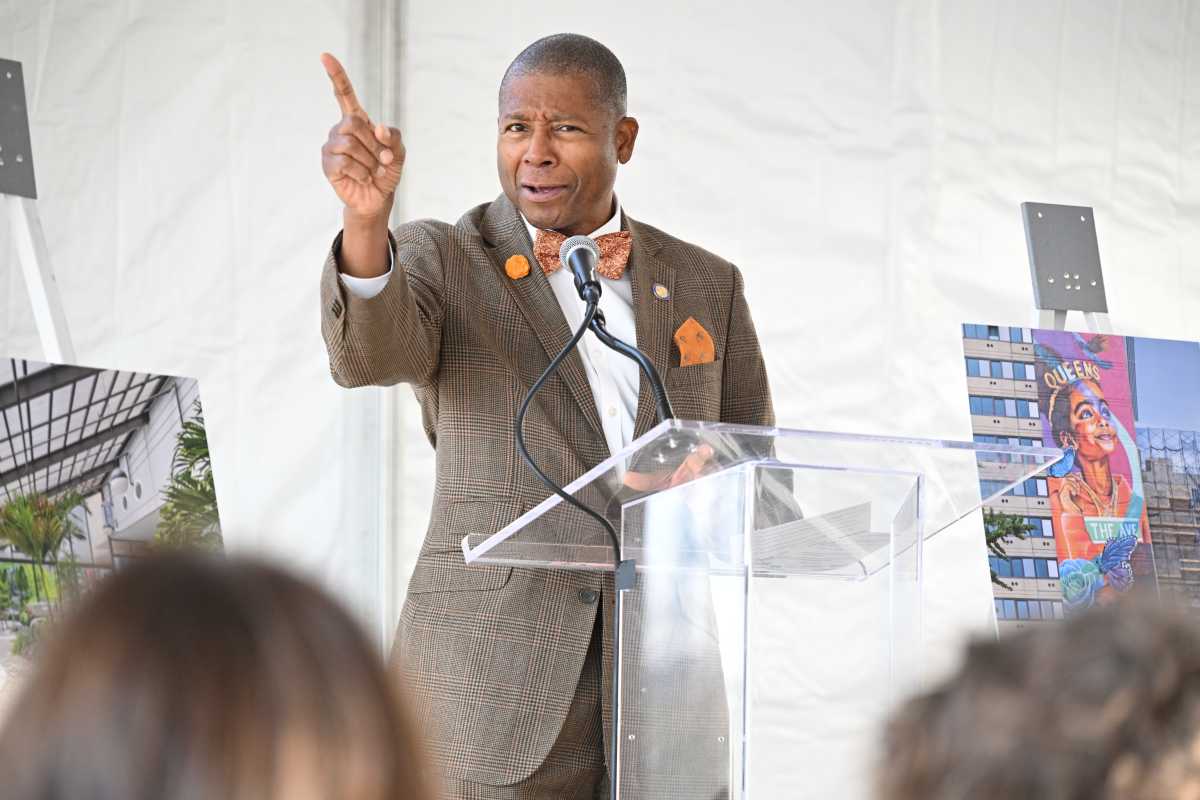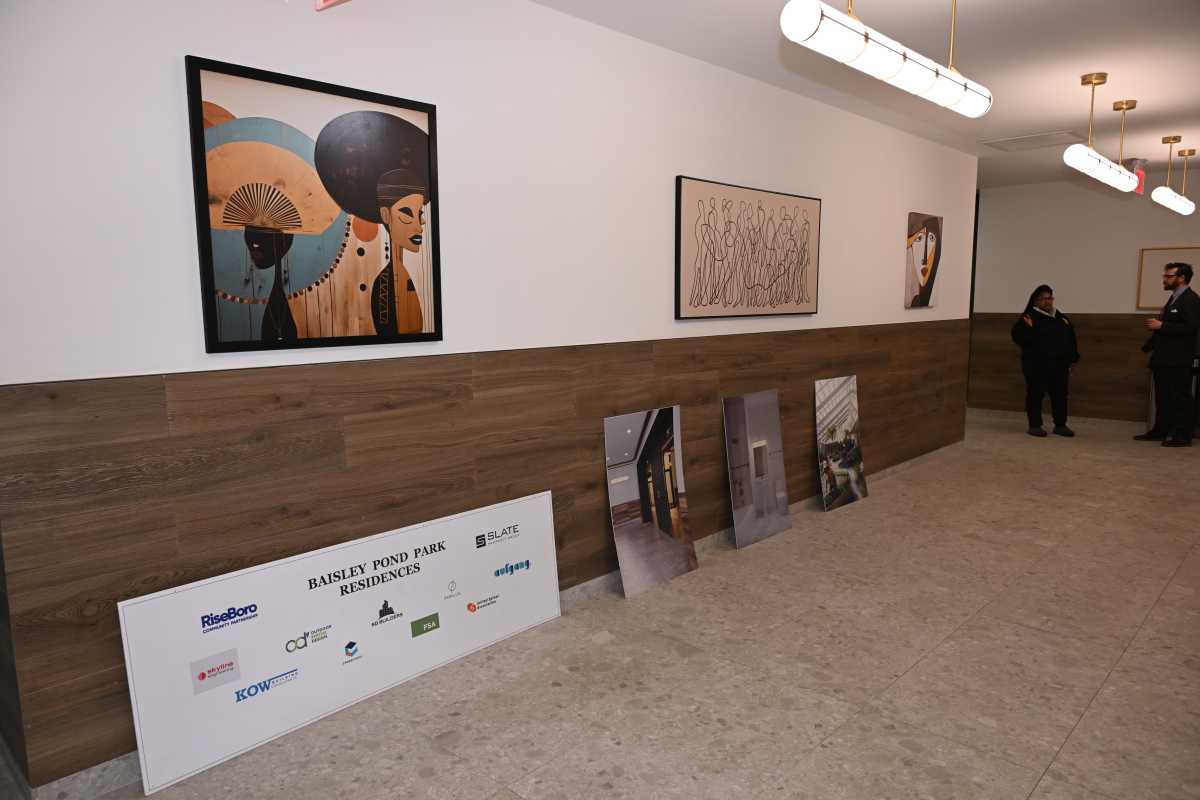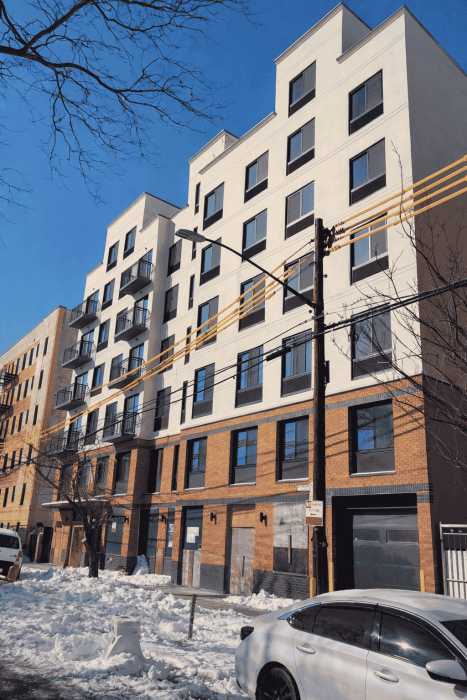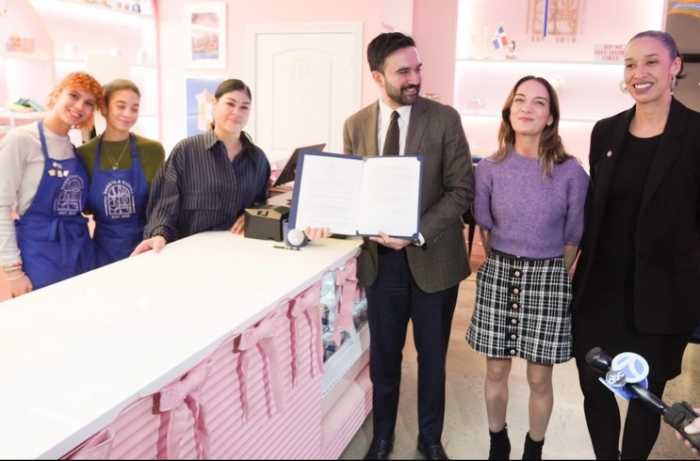
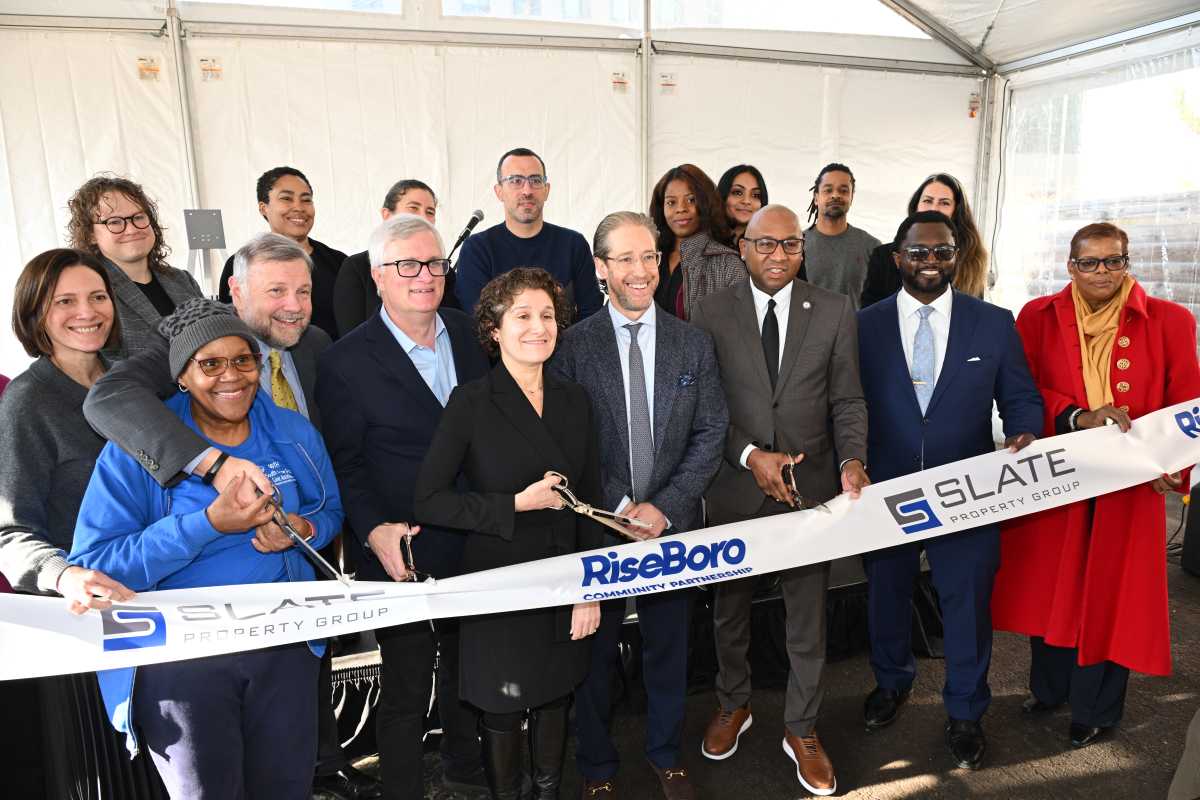
Baisley Pond Park Residences, an affordable housing development that converted a defunct Hilton hotel next to JFK Airport in South Jamaica into a 318-unit apartment building, will welcome its first residents next month. In celebration of the monumental feat, a ribbon-cutting ceremony was hosted at the development on Dec. 18.
The $167 million complex is the first hotel-to-residential conversion project completed under the Housing Our Neighbors with Dignity Act, which was signed into law in August 2023, and one of the first projects to secure funding through the NYC Department of Social Services.
Of the 318 units, 191 are reserved for formerly homeless New Yorkers. Studio, one- and two-bedroom units are priced between 30-60 percent of the area income, which ranges from $784 to $1,493 per month.
The property was acquired by Slate Property Group and RiseBoro Community Partnership for $64 million in 2023. RiseBoro will retain nonprofit ownership and management of the building, as well as provide on-site support and wrap-around services for residents as they transition from homelessness to permanent affordable housing.
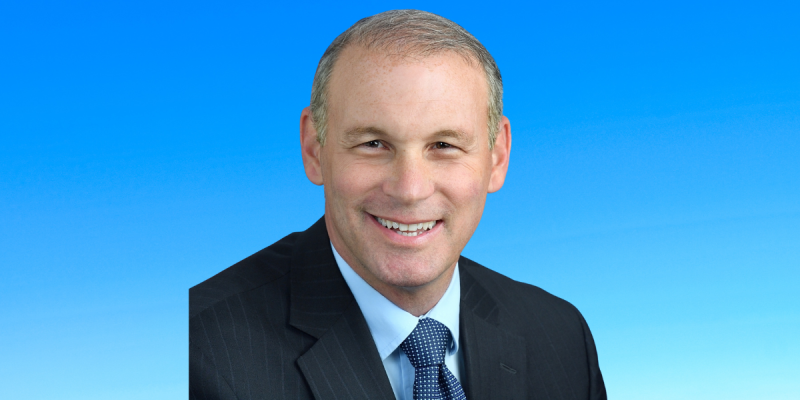
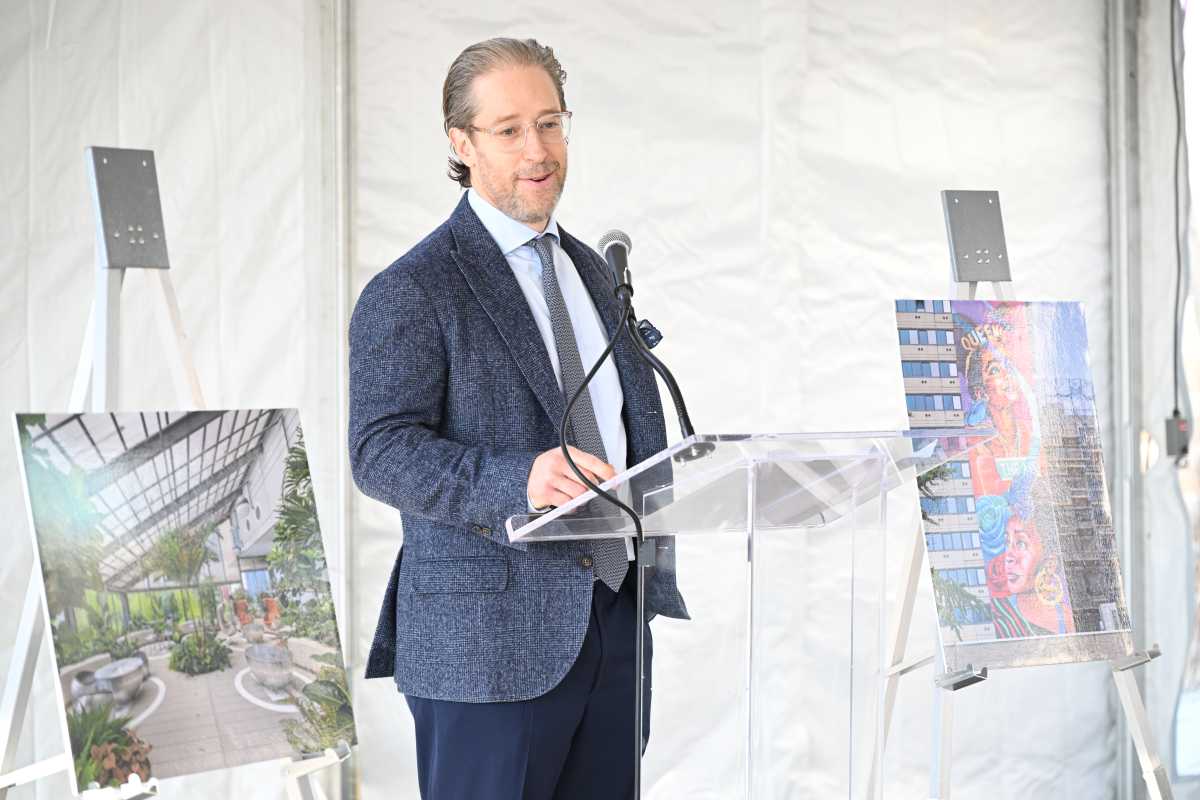
According to David Schwartz, co-founder and principal of Slate Property Group, Baisley Pond is an example of the state doing right by its residents.
“This is truly going to change peoples’ lives,” he said.”This is basic proof that you can have innovative, affordable housing for families, and you can do it anywhere.”
Schwartz said the fact that the location was already occupied by a hotel made it ideal for converting it to affordable housing. Because infrastructure already existed, it took partners only 18 months to complete — a timeline project officials called “lightning” speed, as many other projects of this caliber could take between three and four years.
“When you’re talking about somebody who doesn’t have a place to live, think about the difference it makes in their life,” Schwartz said. “You’re moving in half the time. That’s what we’re proud of.”
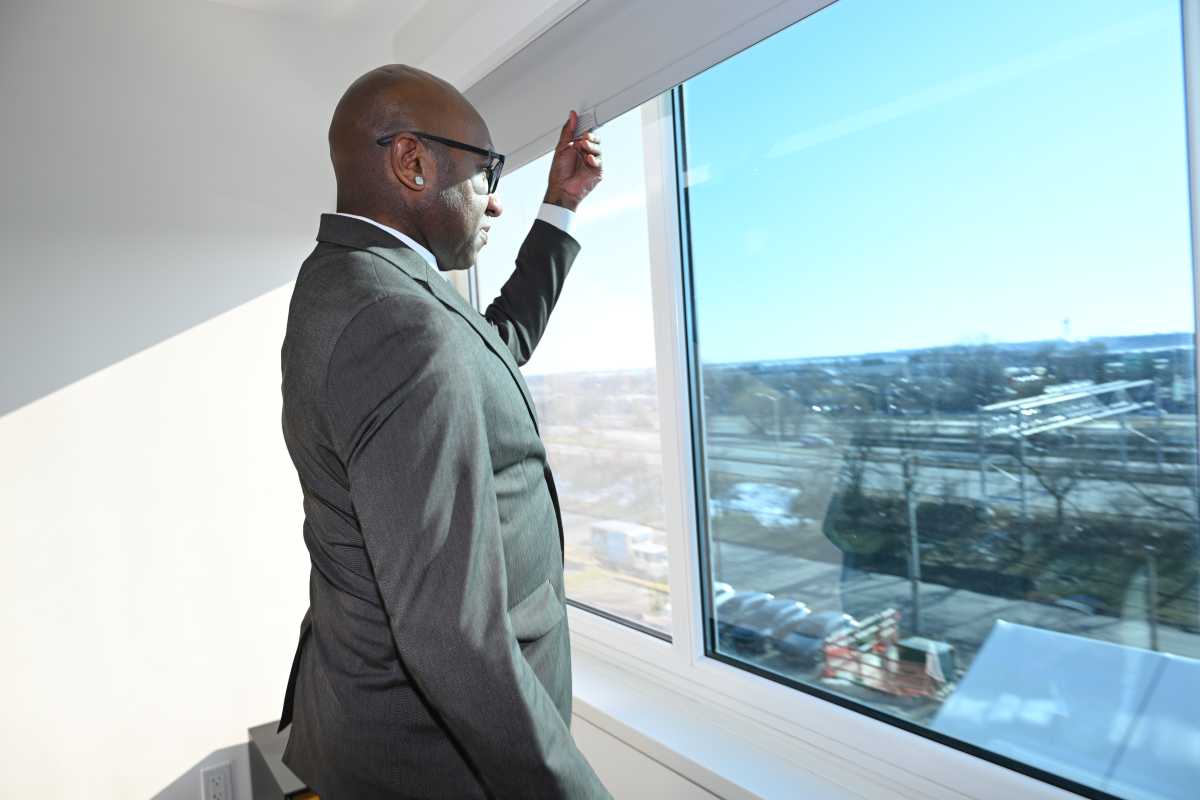
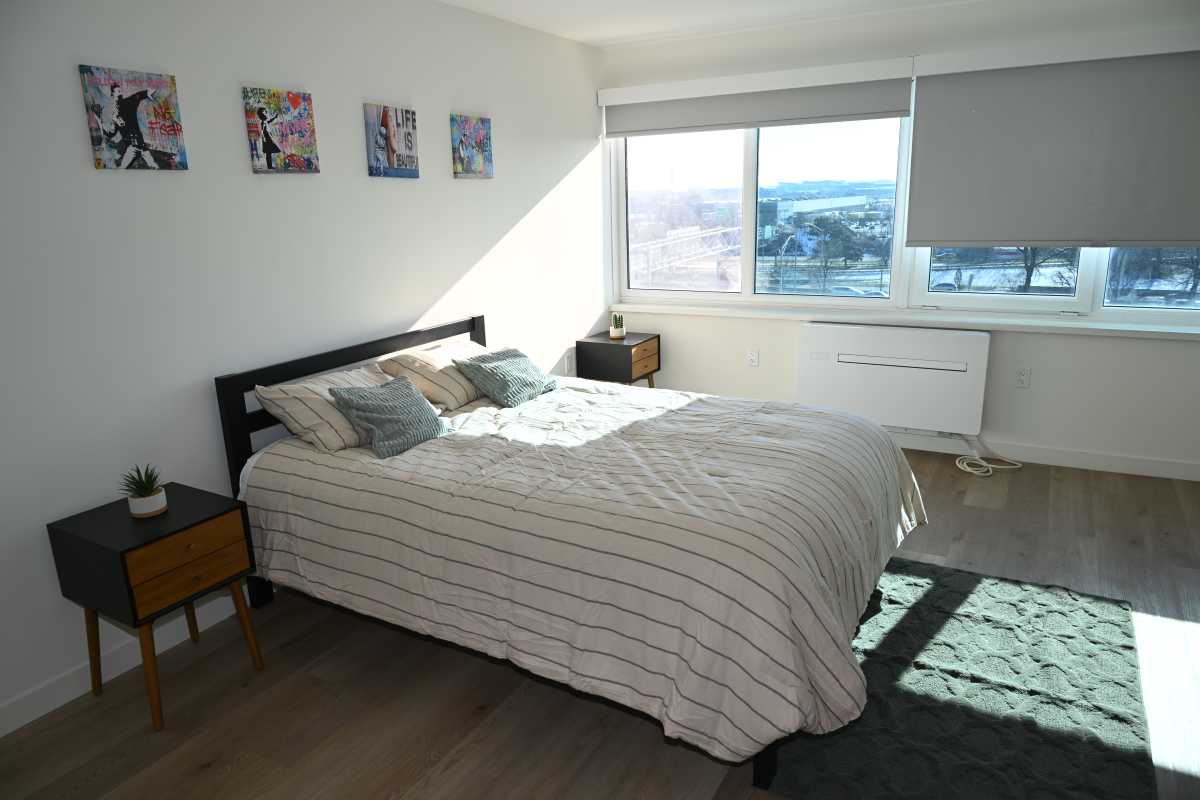
The building, originally constructed as a 350-room hotel in 1987, was designed with plenty of windows that offer natural light and sweeping views of JFK airport and Jamaica Bay. Rooms with compatible layouts were then combined to create apartments with separate bedrooms.
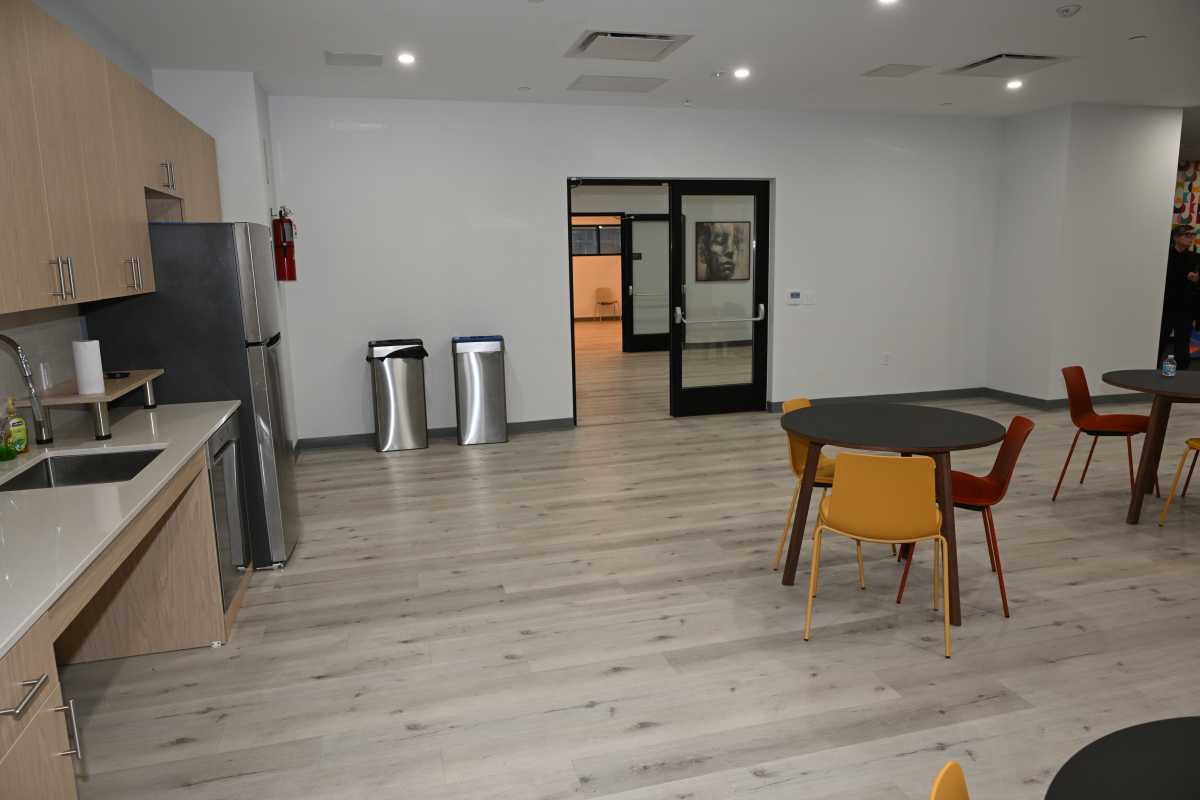
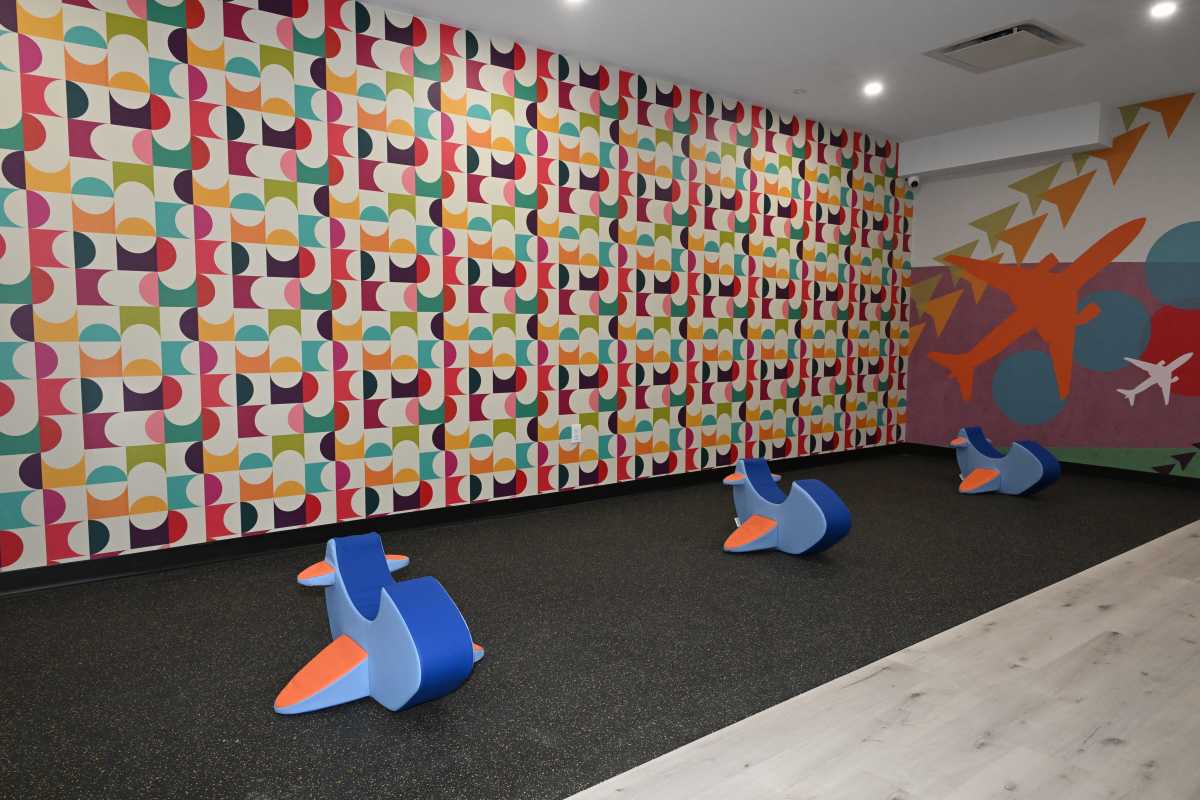
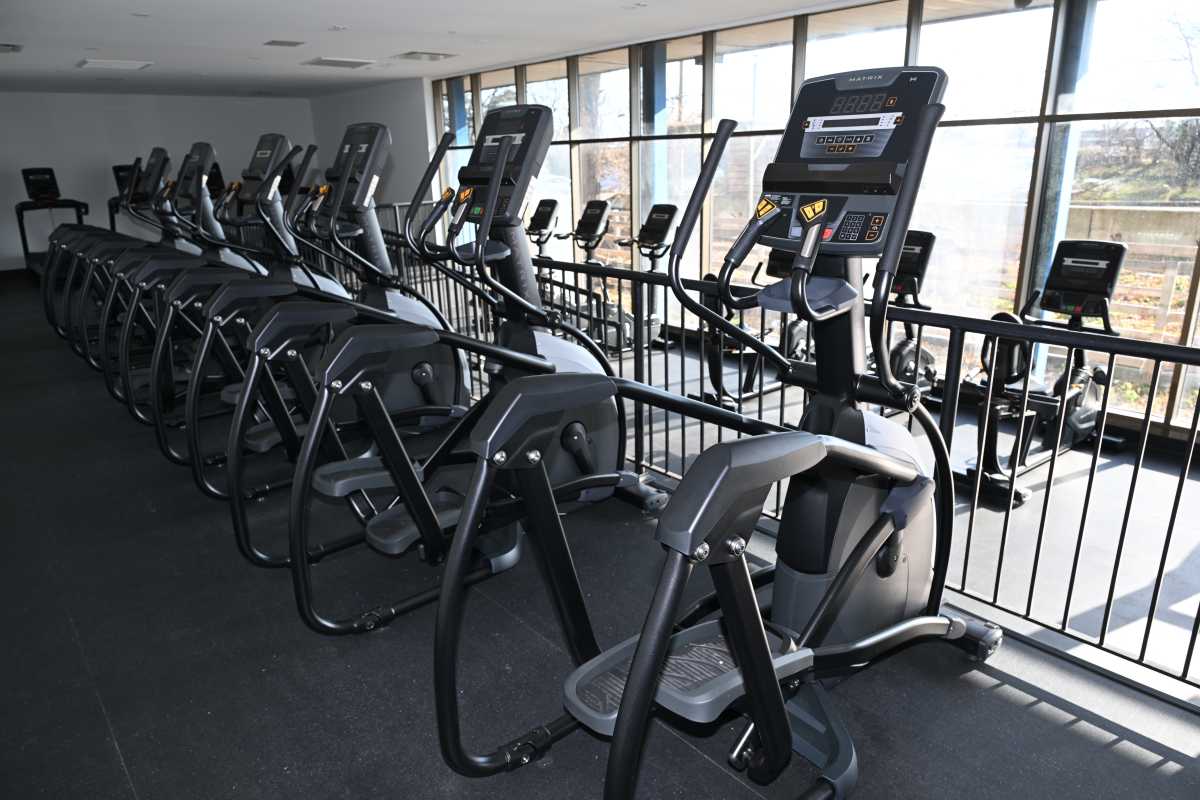
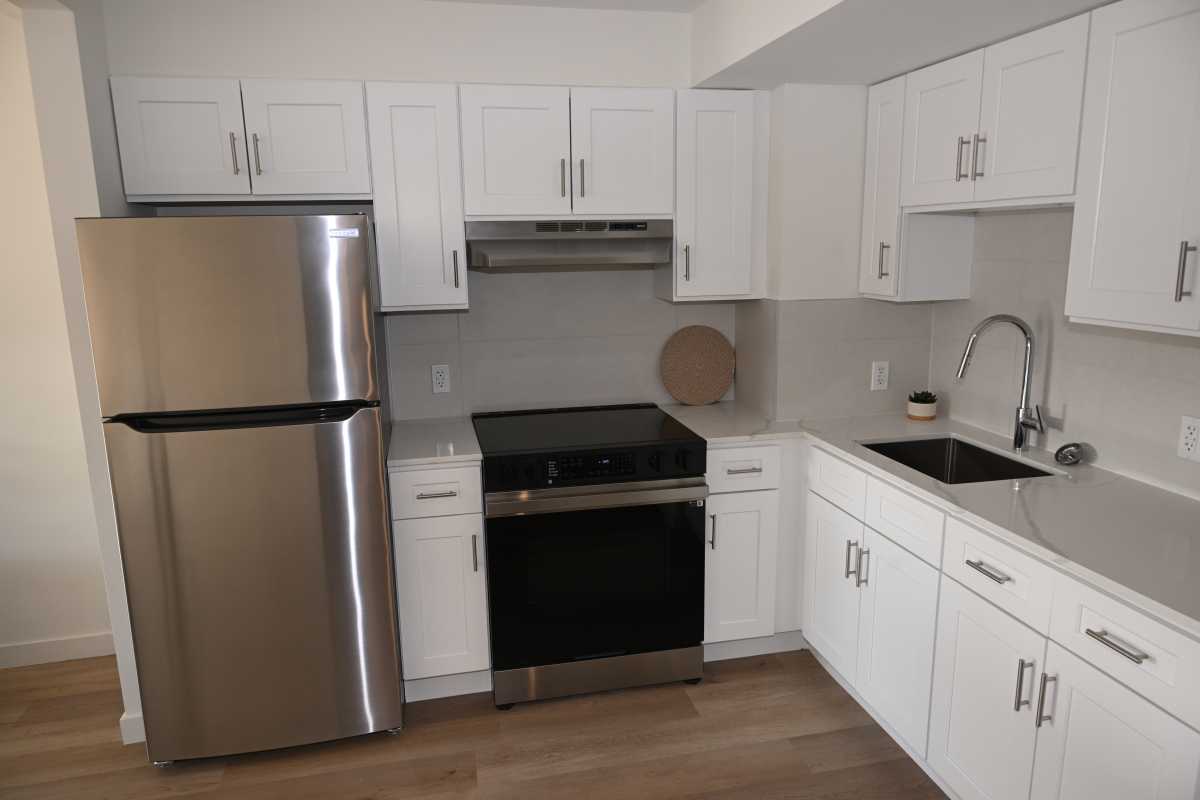
Apartments come fully furnished with space for residents to store their belongings, such as linen closets, coat closets and walk-in closets, varying depending on the size of the unit. Residents will also have access to a computer lounge, indoor garden space, on-site laundry, and community spaces, including a gym with treadmills, ellipticals and bicycles.
“It’s not just about homes,” Schwartz explained. “It’s about their lives and communities.”
Transportation options include access to major bus lines such as Q40, Q10, QM18, Q37 and Q7, which can connect residents to nearby transportation hubs such as JFK airport and the Long Island Rail Road Jamaica Station.
The project was supported by $47.7 million from NYS Homes and Community Renewal’s Hotel and Commercial Conversion Program, $34 million from the New York City Department of Housing Preservation and Development, and $70 million from the New York City Housing Development Corporation.
Lauren Connors, senior vice president of development at HDC, said collaboration across the public and private sectors is what made the shortened timeline possible. “It took an enormous amount of creativity, vision and dedication across multiple programs and multiple partners to support this housing,” she said.
Queens Borough President Donovan Richards drew attention to the scale of the affordable housing crisis the borough and city is facing every single day. He said anyone could find themselves in a situation where they need the same assistance provided to the city’s most vulnerable through affordable housing initiatives.
“We are all one fire away from living in a homeless shelter,” Richards said. “No one wakes up in the morning seeking homelessness. Everybody wants to have permanent affordable housing, or a roof over their head, food to eat, and a good job.”
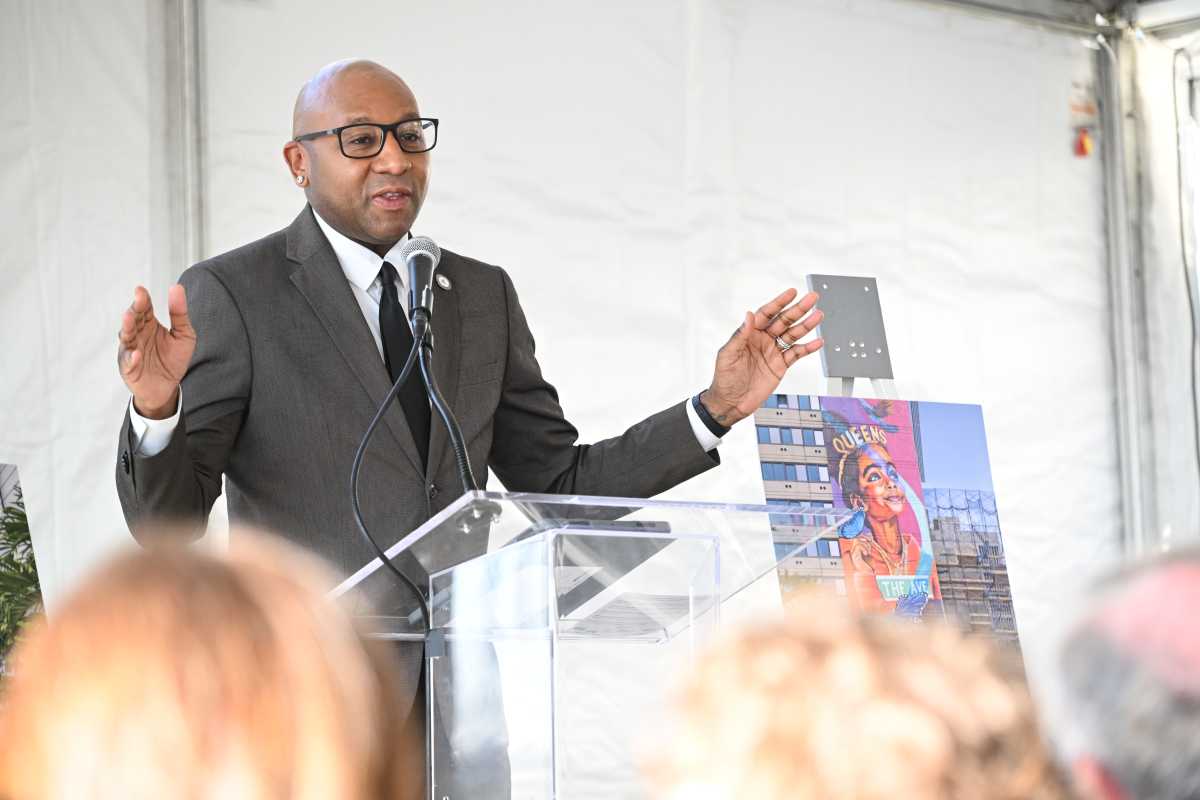
Richards said it’s a matter of policy, however, that determines how the city handles support services and funding for those in need of homes. He noted that the city spends $550,000 per person each year to keep prisoners in Rikers Island. Rather than get to the point where people need to be locked up, he said policy changes could be made to fund education, rehabilitation, shelters and housing.
A report by the Coalition for the Homeless shows more than 350,000 people across NYC were without a home in October, a disproportionate amount of whom are Black and/or Hispanic. According to the coalition, the primary reason people in NYC become homeless is due to the lack of affordable housing.
According to an Oct. 20 report by Advocates for Children of New York, over 150,000 children in the city — nearly one in seven — experienced homelessness in the 2024-25 school year. Richards emphasized the impact homelessness has on children and their ability to learn, as well.
Efforts are already being expanded, Richards continued, stating that this past month Queens officials approved 30,000 units across Jamaica and Long Island City. Over 2,000 affordable housing units were approved at the site of the defunct Creedmoor Psychiatric Hospital, and Willets Point Commons just announced its housing lottery earlier this month for nearly 900 of the approved 2,500 units included in its first phase of construction.
“This is an urgent matter,” Richards said. “Today, we address this crisis head-on. I am elated any day that I wake up and we put a shovel in the ground or cut a ribbon for an individual or family — especially for our children and veterans.”
Kieran Harrington, president and CEO or RiseBoro Community Partnership, emphasized compassion for those experiencing homelessness. “I think it’s really a moment to celebrate the people who are going to be living in this building,” he said.
Residents in other more wealthy areas in Queens, Harrington continued, tend to see affordable housing and say, “Not in my backyard.” But he said people in multimillion-dollar homes don’t have to worry about money like those struggling to find affordable homes because they have savings. “But the people in half-million-dollar homes on 149th Street — that’s everything,” he said.
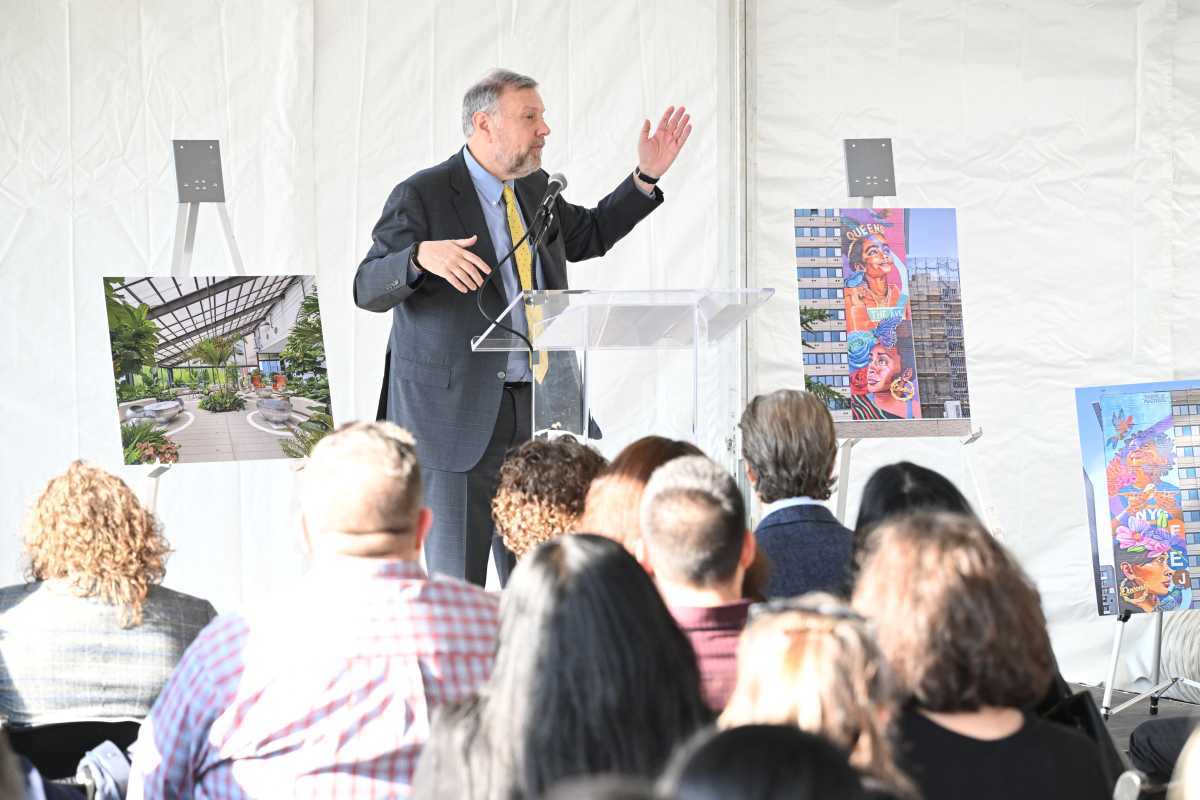
State Sen. Brian Kavanagh said there’s an increasing awareness over the years that there’s been underinvestment in providing shelter and affordable housing to residents across the city. However, he said elected officials are dramatically increasing their efforts to address it. Last year’s budget, for example, had $2 billion of new capital money to build housing.
“I think we need to continue building support and address this crisis,” Kavanagh said. “It’s not the norm, it’s not necessary, and we can address it.”
Conversion projects like Baisley Pond, he continued, are not only more efficient but also tend to get more community support because they do not require new construction and changes to the character or landscape of a neighborhood. He said elected officials are already looking to other existing infrastructure, such as office buildings, to continue swift efforts to deliver affordable housing.
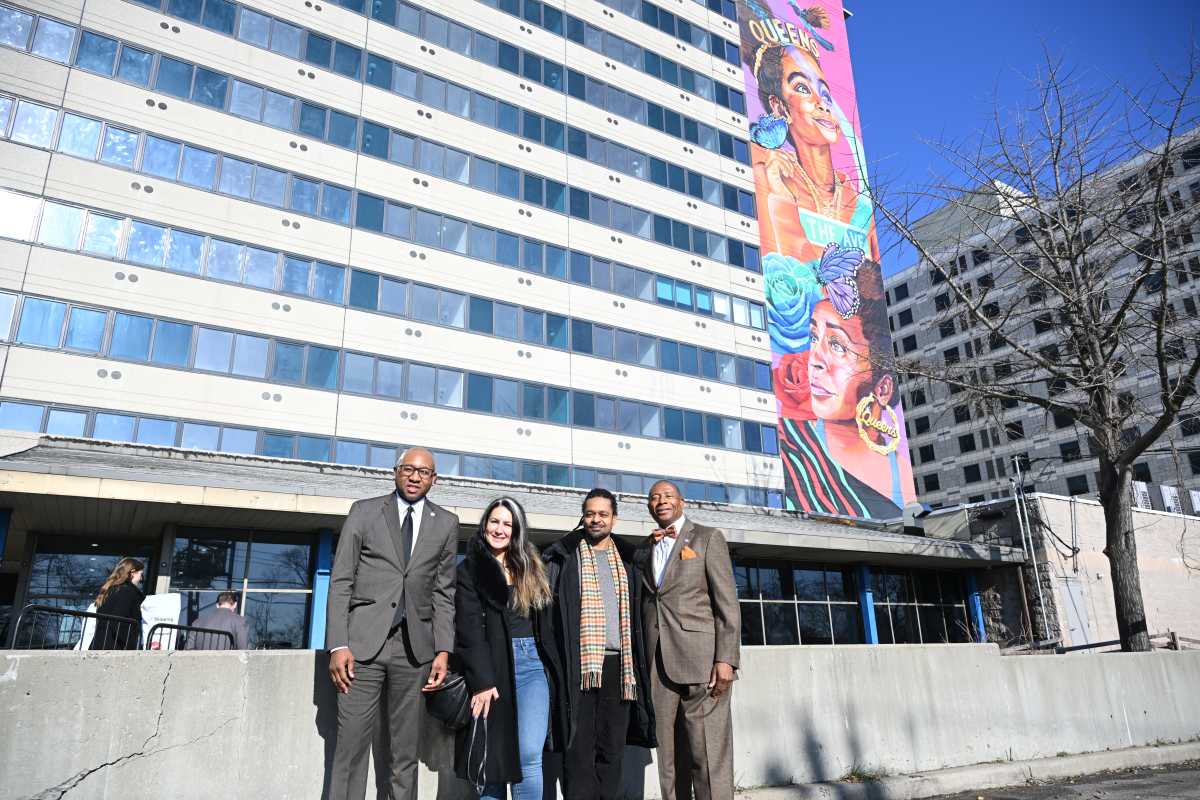
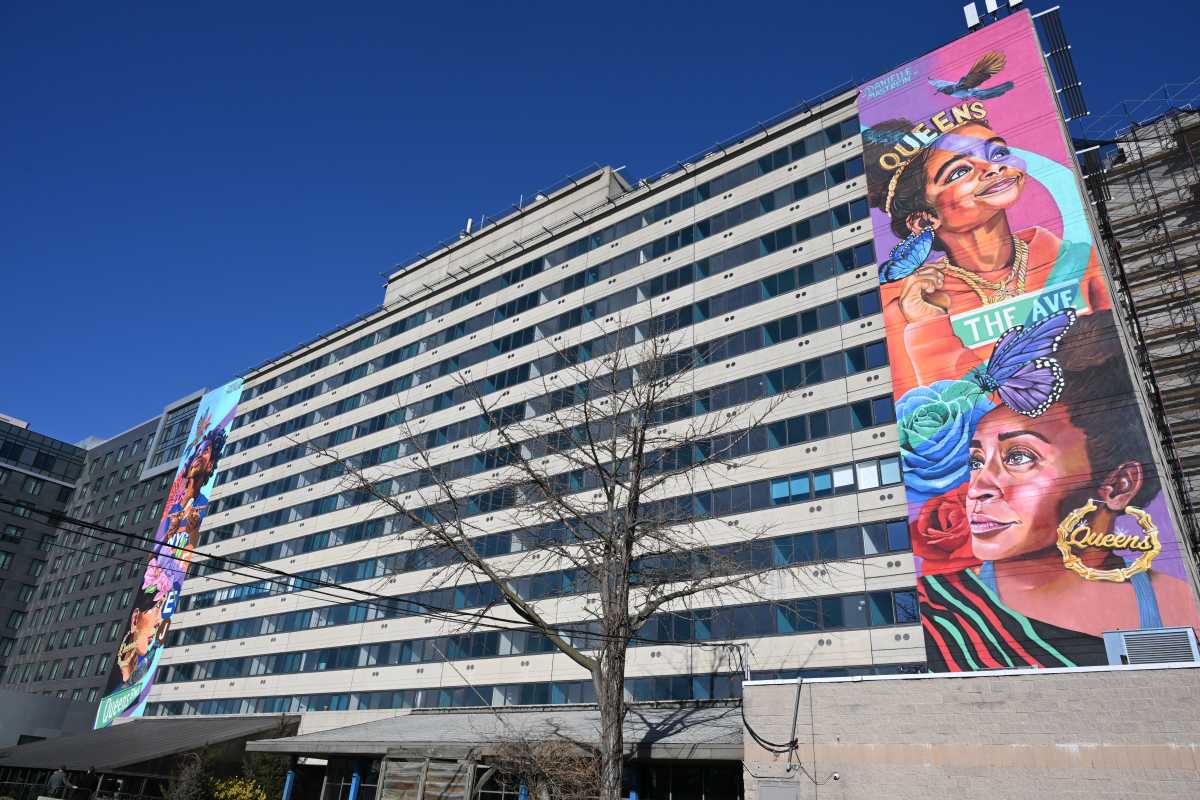
In celebration of the new affordable housing development, a mural was painted that spans nearly the entire height of the 12-story building. Danielle Mastrion, the artist who painted the mural, said she wanted the mural to reflect Queens and the residents who live there. She said she grew up near the Belt Parkway, so the area near JFK airport is sentimental to her.
“It’s so important to do public art projects like this in these neighborhoods,” Mastrion said. “It’s my job to use my talents to tell the stories of residents and places I end up putting my artwork in. So I always work with local residents and communities to make sure they feel seen and represented.”
Her inspiration for the Baisley Pond project, she continued, came after she worked with students at a local Queens school. She said the boys found it important to have planes on the mural because they live close to the airport and dream of becoming pilots. She also recalled many girls showing her jewelry they were wearing, which she said was a source of pride she included in the mural.
The rest of the mural, she explained, had many other references to Queens culture, such as the Unisphere on the necklace a young girl wears, a reference to the logo of Hollis-based hip hop group Run-D.M.C. on a young boy’s shirt, stripes on a woman’s shirt referencing A Tribe Called Quest, and more.
“I wanted the residents to feel proud and inspired to be from here,” Mastrion said. “Every one of these images you see on the wall are looking up, flying up, or rising up. So that’s why I called it ‘Queens Rising.’”
State Sen. James Sanders ended the program stressing the importance of projects like these, from the living space to the mural to the sense of community, and advocated for more affordable housing developments that truly uplift the Queens community. “[Queens] is rising for all of us now,” Sanders said. “The thing to do is to rise together.”