
For the past two years, Rockaway Rides has been providing free rideshare services in 100% electric vehicles to Far Rockaway residents through a pilot program run by Circuit.
The program began in an effort to support the underserved community in need of efficient transportation options.
However, the pilot program, funded by a $7 million grant from the New York State Energy Research and Development Authority, is nearing its end in the next few months despite its overwhelmingly positive response from the community.
Circuit and its loyal riders said they are hoping the program is extended to sustain their efforts to reduce gas emissions, close gaps in public transportation, and make transit easier and more efficient on the Rockaway Peninsula.
The service, which launched in December 2023, operates much like Uber or Lyft, picking up riders near their homes and dropping them off at fixed locations such as medical facilities, banks, supermarkets, train stations and community centers such as the Rockaway YMCA.
Users download the Rockaway Rides app and can see where drivers are on the map, which spans nearly the entirety of the Rockaway Peninsula — about 2 square miles.
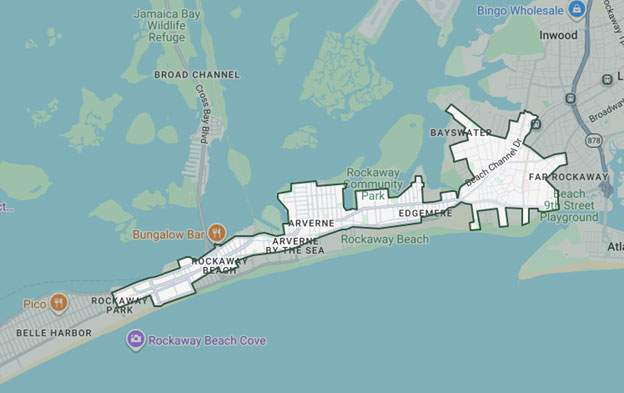
They can also communicate with their drivers via messages or phone calls to get real-time updates about their expected arrival.
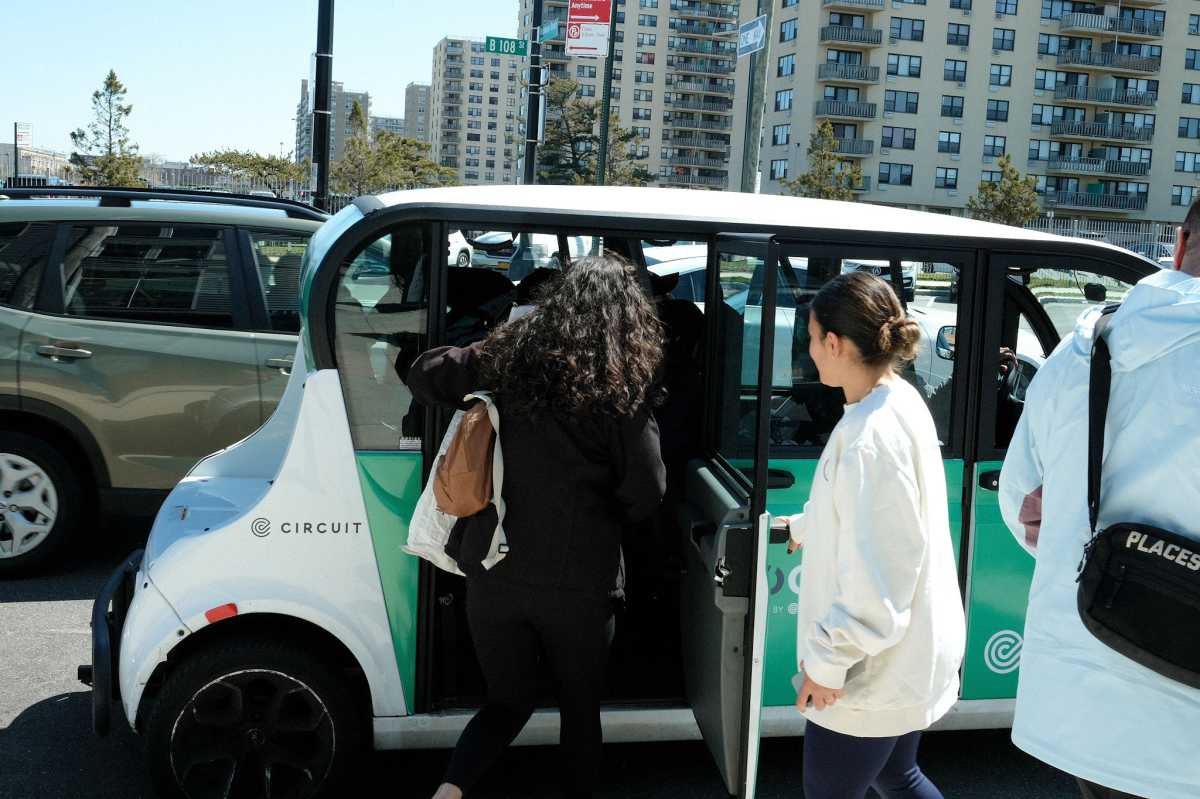
Circuit’s signature bright green vehicle fleet includes vans, sedans and seasonal vehicles called Global Electric Motorcars, which resemble golf carts for breezy rides in the warmer months.
The vehicles are charged at a base station on Beach 108th Street, which is right next to the Rockaway ferry station and the Rockaway Hotel parking lot.
The service is available from 7 a.m. until 7 p.m. Sunday through Thursday, and until 9 p.m. Friday and Saturday.
According to Thandi Nyambose, Circuit’s project and partnerships manager for the Northeast region, the company received funds to launch the pilot program three years ago.
“I worked really close with the community that’s been disproportionately impacted by the negative effects of climate change,” she explained. “It’s very underserved in terms of transit.”
Nyambose said Far Rockaway residents have some of the longest commute times in New York City, and about a third of them rely on public transportation because car ownership is relatively modest.
By working with community members and identifying transit gaps that tend to isolate the neighborhood, she continued, Circuit designed the electric shuttle service available for on-demand trips to bridge transportation gaps, making it affordable and more convenient.
Circuit drivers aren’t gig workers, Nyambose explained — they’re official employees of the company. Many are from the Rockaways or nearby in Queens, meaning they know the area well and can provide efficient service to riders.
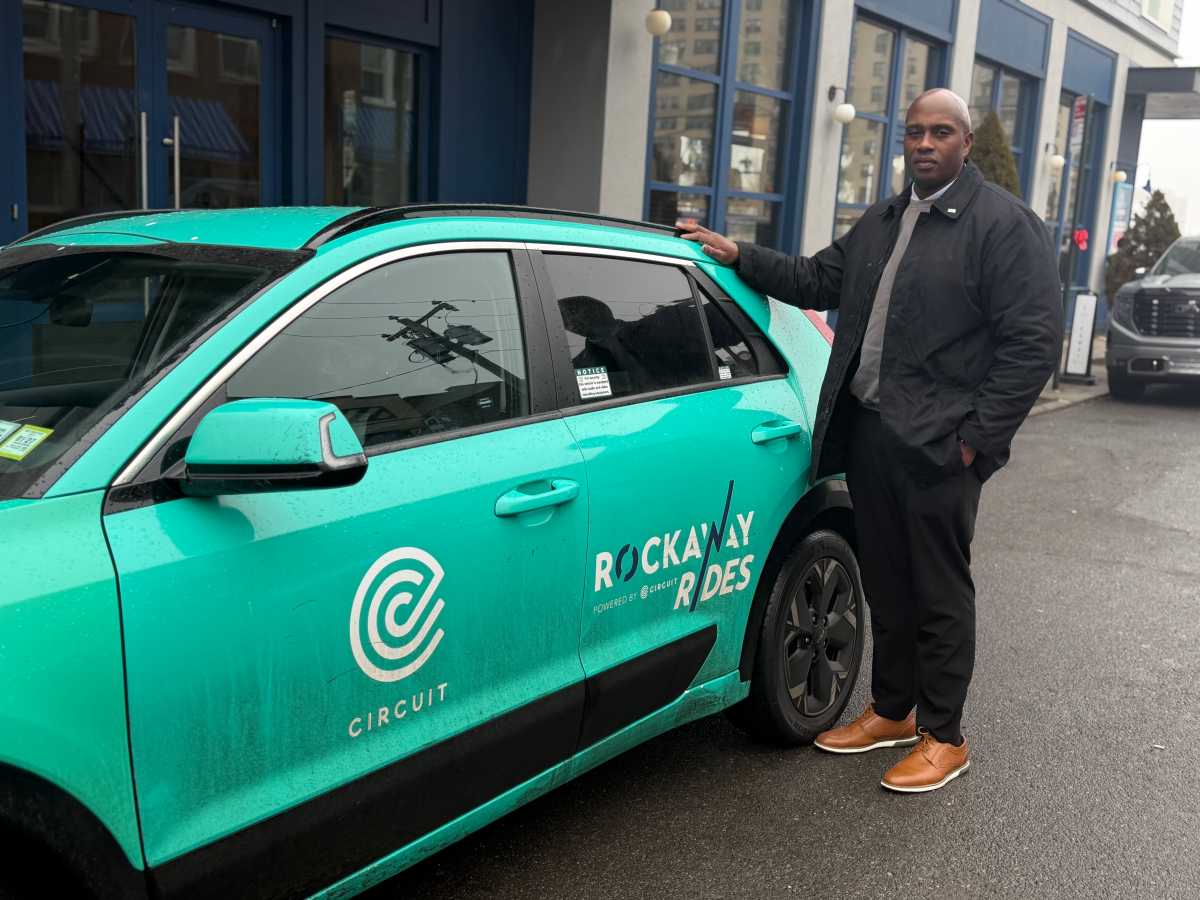
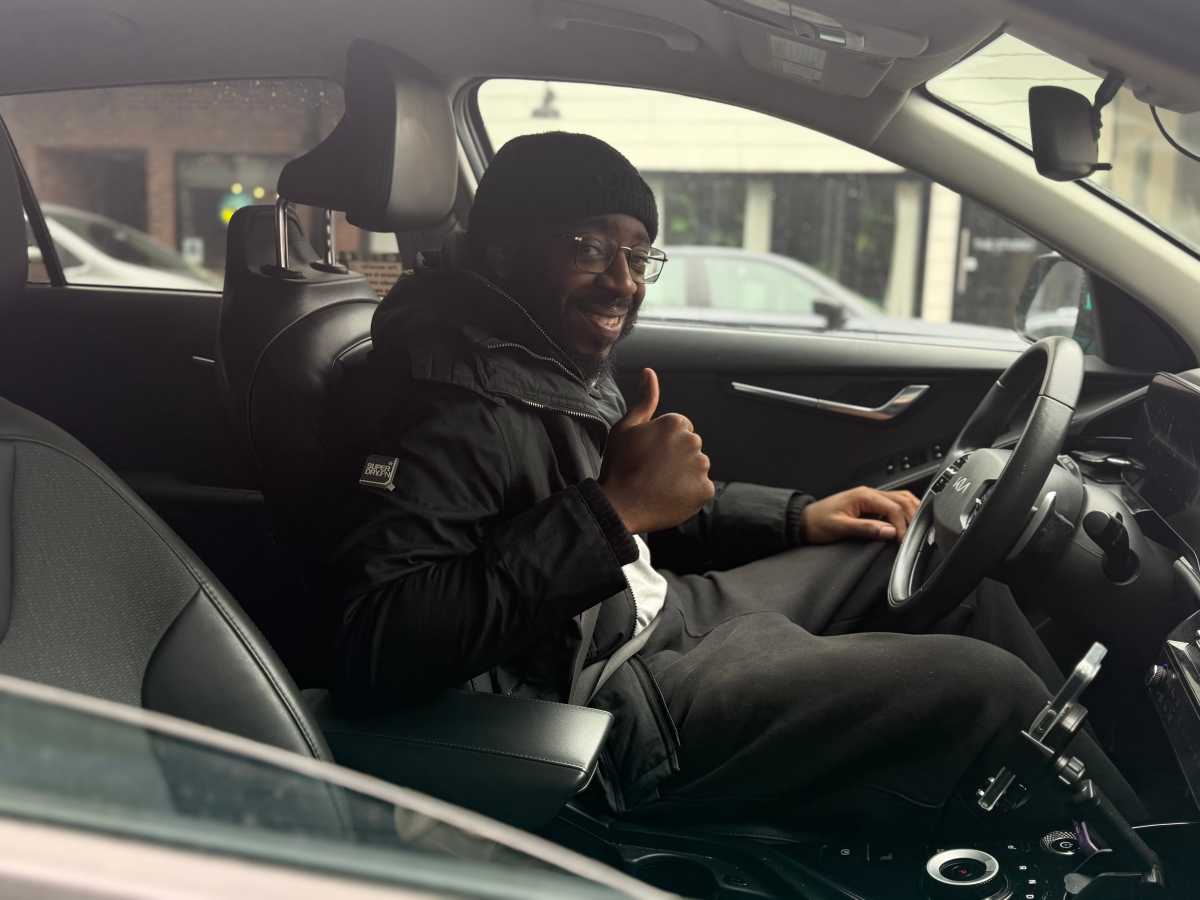
Trevor Benjamin, a part-time driver for Circuit, said he loves showing residents and visitors how wonderful living on Rockaway Peninsula is through the free rideshare service.
“Rockaway is a great place to live,” he said. “Circuit has had a big impact on that.”
Benjamin said he normally works mornings when the service first becomes available around 6:45 a.m. He picks up one of the cars from the company’s lot and conducts an inspection to ensure the vehicle is safe for travel.
He then logs into the app and begins receiving notifications from users requesting rides.
For the duration of his shift, Benjamin said he travels throughout a majority of the peninsula, picking up and dropping off riders anywhere between Beach 90th Street on the west side to Beach 116th Street on the east side.
According to Circuit, the average ride length is about 2.7 miles.
Benjamin said he likes working for Circuit because he feels he’s providing a necessary service to the community.
“It’s important to give back to the community,” he said. “I’m born and raised in Rockaway, so it’s a chance for me to help the people that live in the area and those new to it.”
Nyambose said that because Rockaway Rides is such a small operation, many riders who follow a weekly routine get the same drivers on a regular basis.
“Because we have so many repeat drivers, people kind of cultivate a relationship with them,” Nyambose said. “They really come to know their drivers and even develop friendships.”
Riders can tip their drivers if they have the means, she continued, as well as rate their experience once the ride is done.
Benjamin said the feedback he often gets from his riders is that of appreciation, recounting an experience he had with a rider whom he dropped off at a local supermarket. The rider brought their own shopping cart, he recalled, which they loaded into the back seat.
On the way to the destination, the customer shared with Benjamin that without Rockaway Rides, they wouldn’t be able to afford public transportation and would have walked all the way to the store from their home, just to load the cart and wheel it back with them.
“They were just very appreciative that Circuit was an affordable means for them to go grocery shopping,” he said.
Nyambose said the team has reviewed statistics gathered from the app and has identified that a majority of users are local to the Rockaways, although she said anyone in the area is welcome to use the service.
The average user age, she continued, is about 33 years old, meaning the service is not only beneficial to older adults who struggle to get around, but younger adults in need of more efficient public transportation options.

Shamika Afia Simmons, who described herself as a loyal rider of Circuit, said her commute times have been cut in half as a result of the service’s availability.
As an active member of the community, Simmons said she is constantly traveling around the Rockaway Peninsula to nonprofit organizations for volunteer opportunities, supporting her fellow neighbors in meaningful ways.
Simmons doesn’t drive and said even if she did, it’s difficult to get around the area because parking spaces are scarce near the locations she regularly gets dropped off at.
“There’s no way to get around it,” she said. “It’s easier to get in a car that doesn’t need to park.”
She began using the free rideshare service when it first launched, she said, and even uses it to transport her children to and from school quickly and safely.
While Uber rides to the school could cost Simmons anywhere between $6 and $25, Rockaway Rides removes the mystery of how much she’ll have to pay because it’s free.
“It’s convenient and easy to book,” she said. “You get to know the drivers, and sometimes they even give you leeway with what stops they’ll bring you to.”
Before Rockaway Rides, she said she’d have to walk five blocks from her home to the nearest bus stop, racing against the clock in case the bus comes early.
“It feels like we’re in a transportation desert,” she said. “Public transit doesn’t always work, or it’s overcrowded. The buses aren’t reliable, either, and break down.”
However, she said the free service has cut down commutes from her home to various locations on the peninsula from 30-40 minutes to about 15-20 minutes.
Now that her travel times are shorter, she continued, she’s been able to fit more into her busy schedule and perform even more community services.
Simmons added that she’s an avid advocate for environmental justice, holding a position on the Queens Community Board 14 Environmental Committee and often speaking to elected leaders on behalf of herself and the community.
Rockaway Rides, she said, is a project she fully supports because it helps achieve her goal of a cleaner, healthier environment.
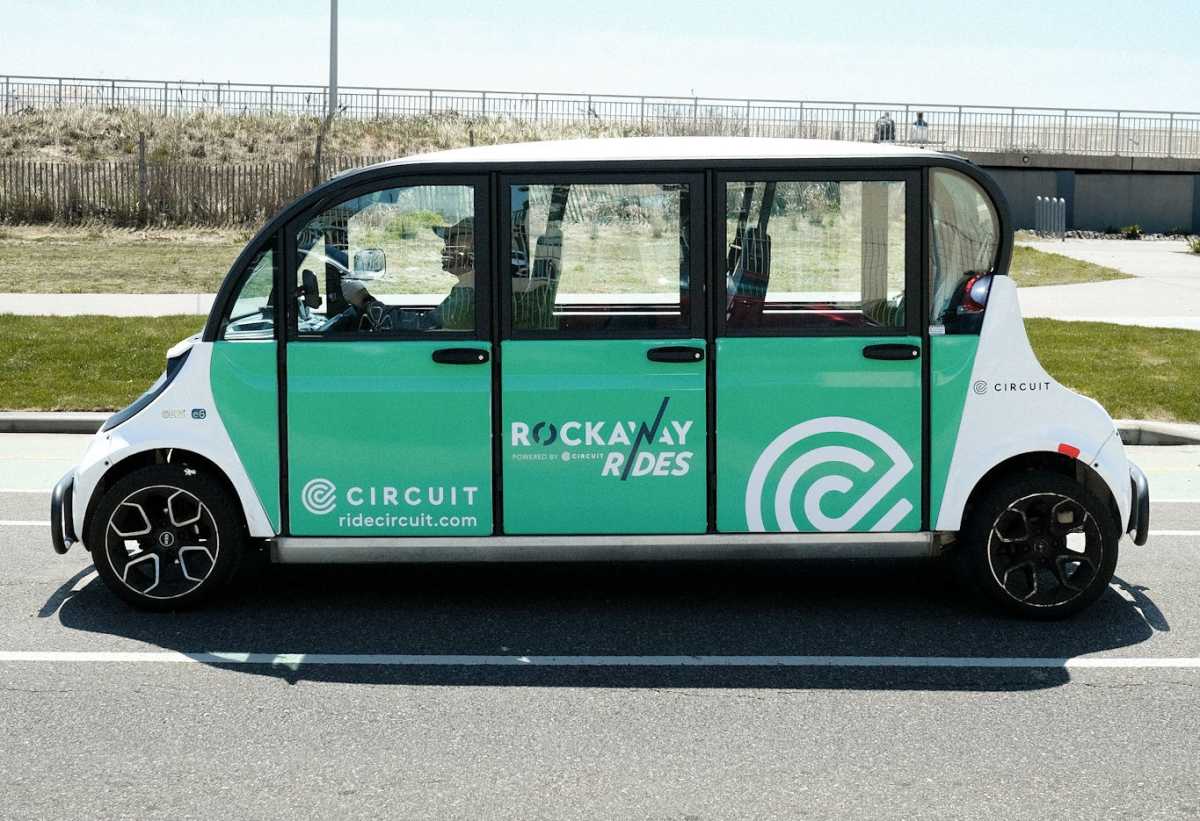
According to Circuit, Rockaway Rides has served over 130,000 riders in the past two years, saving over 12,000 gallons of gas.
All of the rides are pooled, Nyambose explained, which helps reduce the number of vehicles on the road at a given time and further reduces gas emissions.
Far Rockaway, which New York State has designated as a disadvantaged community, has long been in the crosshairs of fossil fuel production and air pollution, as well as rising sea levels associated with climate change.
“When you have a deep reliance on personal vehicles that are emitting greenhouse gases and contributing to climate change, the issue only gets worse,” she said. “We chose the Rockaways because we felt there was a need for electric service that would help the environment.”
As an urban planner, Nyambose said having an eco-friendly, accessible and on-demand service makes her proud.
“It’s just a really high return for Circuit’s overall mission,” she said. “What we’re doing is really expanding the reach of the city’s fixed route public transportation and bridging people’s journeys — even if they live 18 minutes from their closest train stop. We’re really happy to be doing that.”
With the pilot program set to expire in the coming months after funding is expended, Nyambose said Circuit is hoping to receive more funding since so many residents have now incorporated it into their everyday lives.
“We really don’t want it to come to an end,” Nyambose stressed. “Thousands of people now rely on this service to get to grocery stores, the library, work and train stations.”
Simmons said she is among those who rely on the service and, even if it isn’t fully free, doesn’t want to see the service go. She said if Circuit is able to keep prices fixed and reasonable, she would take that over losing it altogether.
“It’s been awesome,” she said. “We can go back and forth between locations forever. I wish it was extended further, and expanded to more blocks and streets.”
Nyambose said Circuit is now looking to elected officials in Far Rockaway to advocate on the community’s behalf to secure more funding and sustain the program in the area.
“Anyone that doesn’t want the service to leave the Rockaways can reach out to us,” she emphasized. “We’re really open to any ideas to keep the service around.”