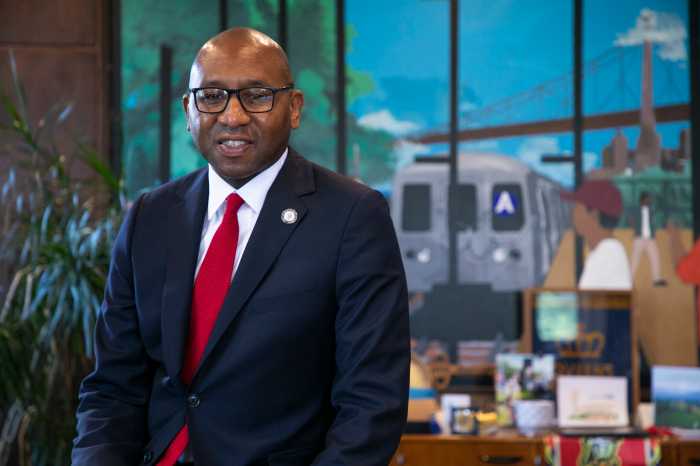
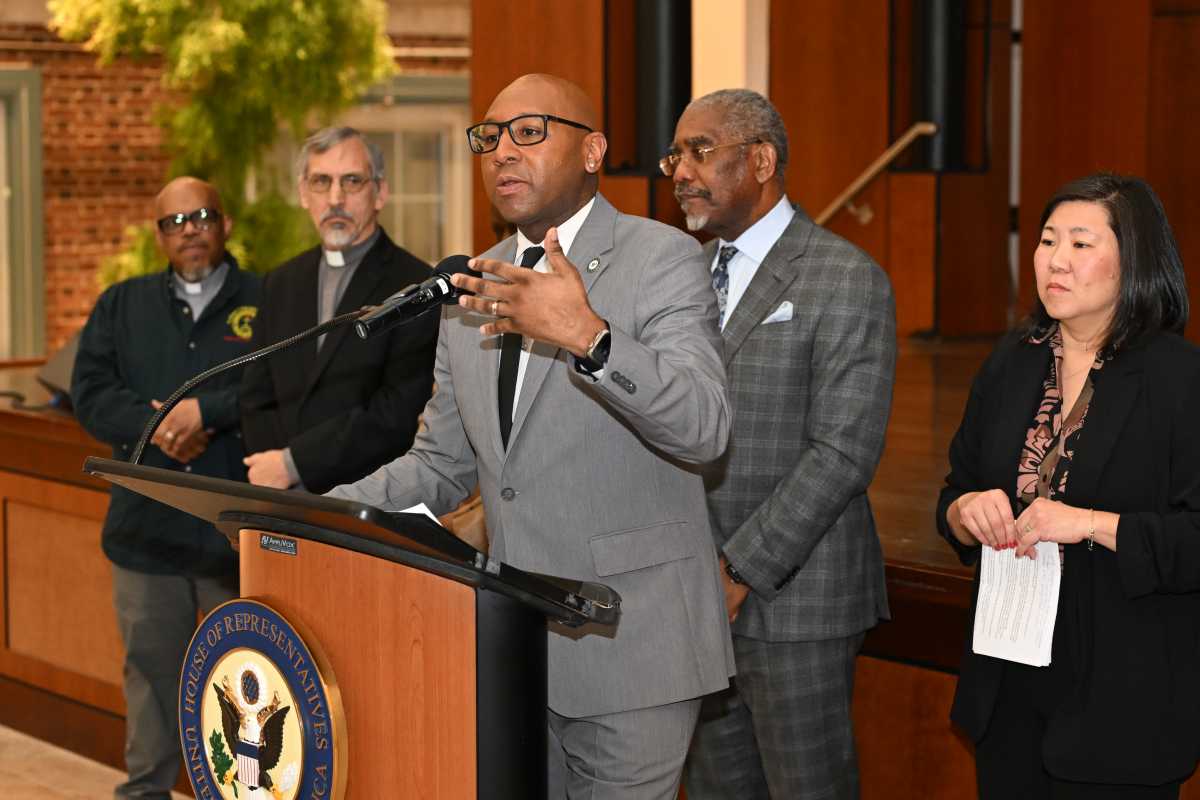
Queens Borough President Donovan Richards has announced that his office received a record 966 community board applications during the winter’s open application period, surpassing the previous record of 941 set in 2021.
Richards announced the figure on March 2, stating that 701 applications were submitted by new applicants who are not currently serving on community boards.
Both figures improve on last year, Richards said, when his office received 916 applications, including 665 from non-members.
Richards added that serving on community boards across the borough offers individuals a chance to ground Queens in diversity, equity and inclusion.
“We couldn’t be prouder that 966 of our neighbors have stepped up to help do just that (improving DEI),” Richards said in a statement. “Thank you to every single applicant for your interest in serving your community — my team and I look forward to building what should be a tremendous 2026 class of appointees.”
Richards will publicly announce his 2026 class of appointees in early April and will inform successfull applicants prior to the beginning of their two-year terms on April 1.
The Borough President opened the community board application portal on Jan. 5, setting a deadline of Feb. 13.
The Borough President said the record number of applications reflected his office’s efforts to increase civic engagement throughout the borough, regardless of backgrounds. Of the six community board cycles that Richards has presided over, his office has received at least 900 applications on four separate occasions, receiving almost 5,000 applications across the six cycles.
Any individuals appointed to community boards across the borough next month will take on a variety of responsibilities, including shaping advisory decisions related to land use and zoning applications.
Community boards must be consulted on the placement of most municipal facilities in a community, while boards also hold hearings and issue recommendations about the City budget, municipal service delivery and numerous other matters that impact their communities.
Each board has up to 50 unsalaried members who serve two-year terms.