In the quiet residential blocks of Queens, from College Point to Rosedale, the rising cost of living continues to squeeze families and constrain household budgets.
At the same time, a wave of energy mandates threatens
While the long-term goal of a greener New York is one we all share, we cannot afford to pursue policies that will drive up costs at the expense of our families’ financial survival or the reliability of our power grid.
Fortunately, we are seeing a welcome shift toward reality in our leadership and away from tunnel vision toward electrification.
A more moderate “all-of-the-above” energy stance, including the decision to delay implementation of the state’s All-Electric Buildings Act, is long overdue. Energy diversity that creates more options for New Yorkers is the most common-sense way to achieve affordability and reliability. Now with policymakers returning to Albany to start the new year, they must continue to recognize these practical and financial realities as they advance energy policy.
Among the most pragmatic, immediate, and cost-effective paths
The push for electrification as the only viable climate solution often ignores a simple financial truth: Many New York homeowners cannot afford to spend thousands of dollars to rip out their existing heating systems for heat pumps, nor can heavy-duty vehicle operators like trucking companies and municipalities both replace their entire fleets and install adequate, fast EV chargers at the same time. In contrast, biofuels are a drop-in solution, meaning they can be used in existing systems and fuel tanks today without the potentially
It’s also an option that doesn’t burden the statewide energy grid’s thinning reliability margins, which could cause blackouts in New York City and Long Island as early as next year.
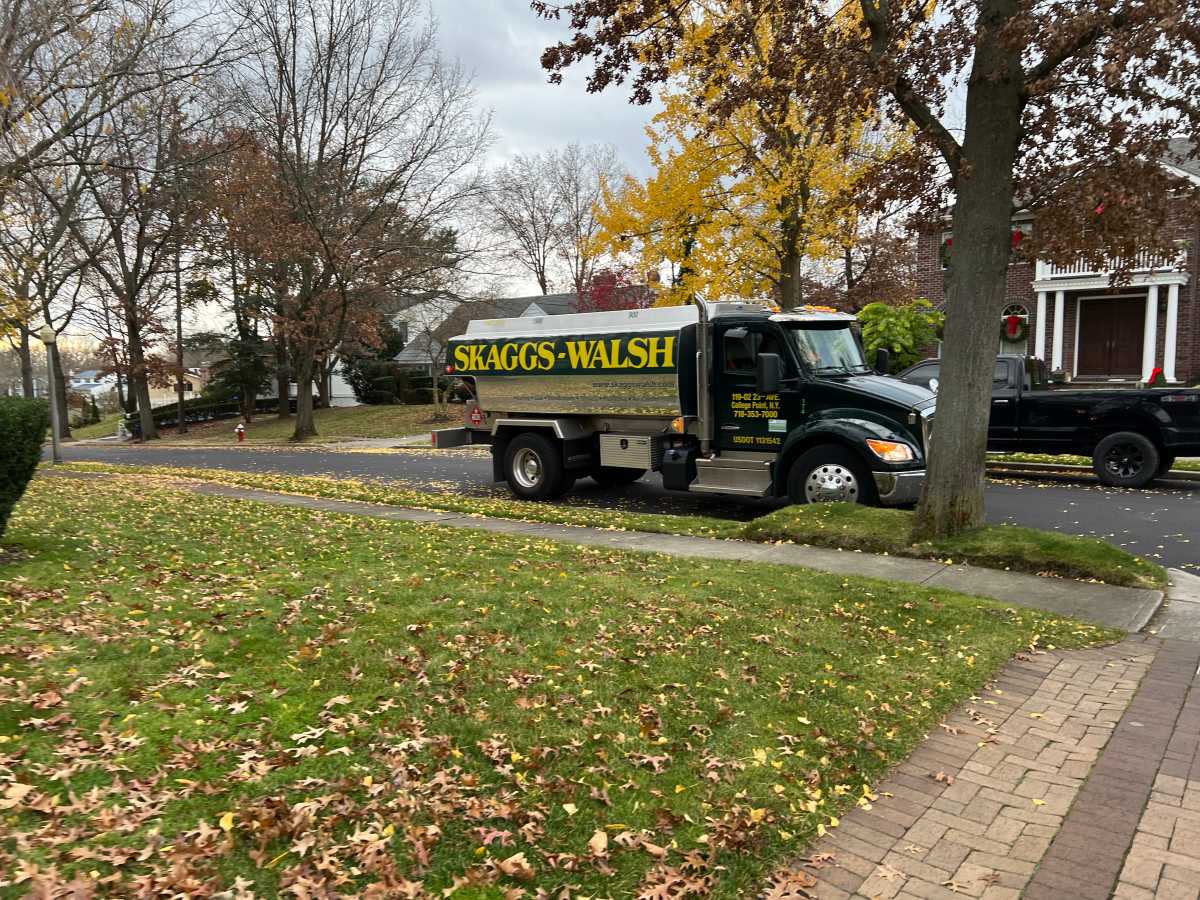
This isn’t a future solution that is unproven at scale. The state already is requiring that biofuels increasingly be used to replace fossil heating oil, with many distributors delivering blends of heating fuel that utilize biofuels well beyond the amounts mandated by the state.
New York City in particular is leading by example. The city has converted its entire heavy-duty vehicle fleet to what’s known as renewable diesel and is currently transitioning the Staten Island Ferry. By next summer, all city trucks and vessels will be running on this clean fuel source.
The issue is that biofuel supply must continue to increase if more homeowners and municipalities are going to transition from fossil diesel to greater amounts of biofuels. As lawmakers begin their new legislative session, taking up policies like a clean fuel standard would spur practical momentum towards state climate goals, as would policies that allow both biodiesel and renewable diesel to be used for building heat.
Ultimately, we don’t have to choose between environmental progress today and protecting the pockets of the working-class families who make this city run. For the sake of our neighbors across the city and state, let’s choose a path that is green, reliable, and — most importantly— affordable.

Allison Heaney is the president of the College Point-based Skaggs-Walsh, a third-generation family-owned business and division of the Energy Conservation Group.