
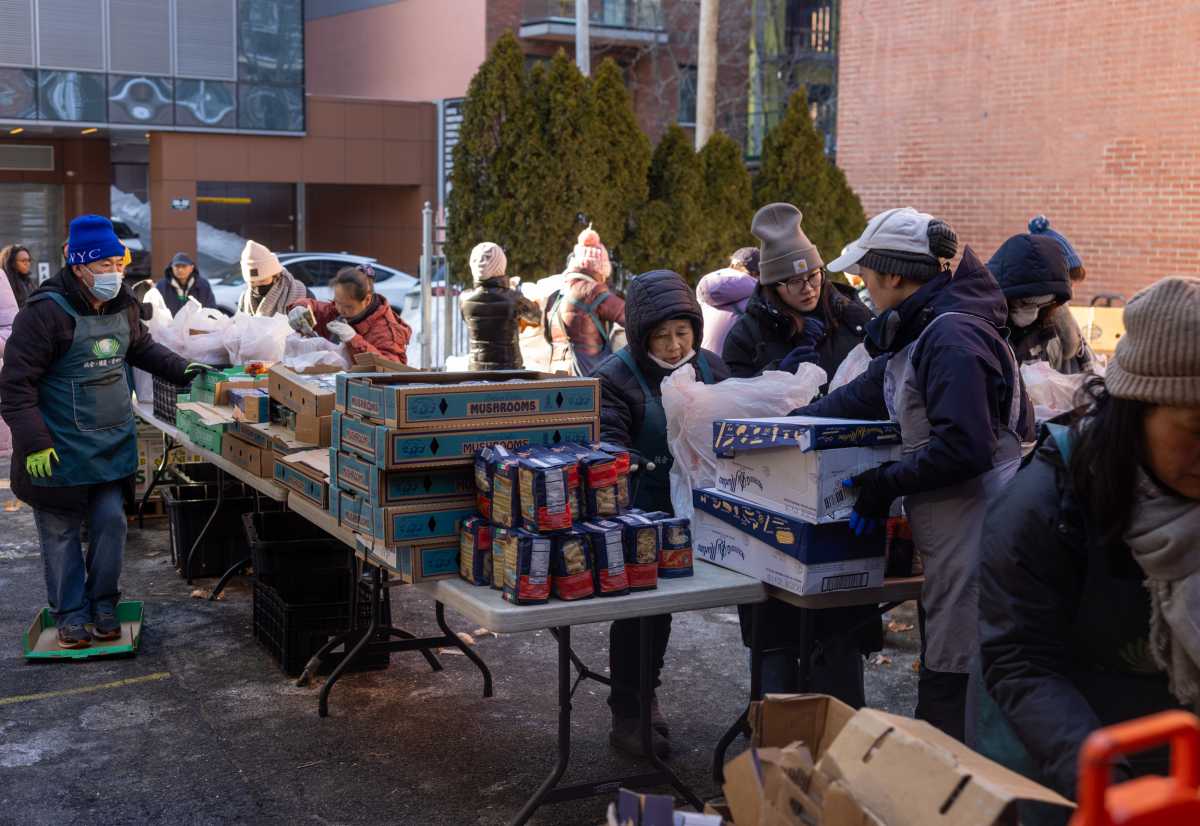
Project DASH, an initiative launched by DoorDash in 2018, partnered with the Buddhist Tzu Chi Foundation in Flushing to deliver groceries to over 500 Medicaid recipients on Jan. 29 through the New York State Medicaid 1115 Waiver program.
Tzu Chi collected fresh produce, which it purchased using funds generated from donations and funds reimbursed by the New York State Department of Health, after which volunteers organized them into bags to be delivered directly to recipients’ homes.
As part of the DoorDash initiative, the company provided drivers who picked up orders, loaded them into their vehicles and delivered them across the borough.
The initiative is managed by Daniel Riff, head of government and nonprofit operations at DoorDash, who helps the company partner with food banks, food pantries and other nonprofits in need of delivering essential items to the community.
He said the initiative grew significantly since the coronavirus pandemic, and drivers have completed more than 8 million deliveries consisting of over 135 million meals since it began.
Some partners, Riff explained, use Project DASH up to a few times a week, while some partners use the service once a month depending on each community’s needs. For example, Project DASH partners with Tzu Chi each Thursday, which is dedicated to fresh produce deliveries.
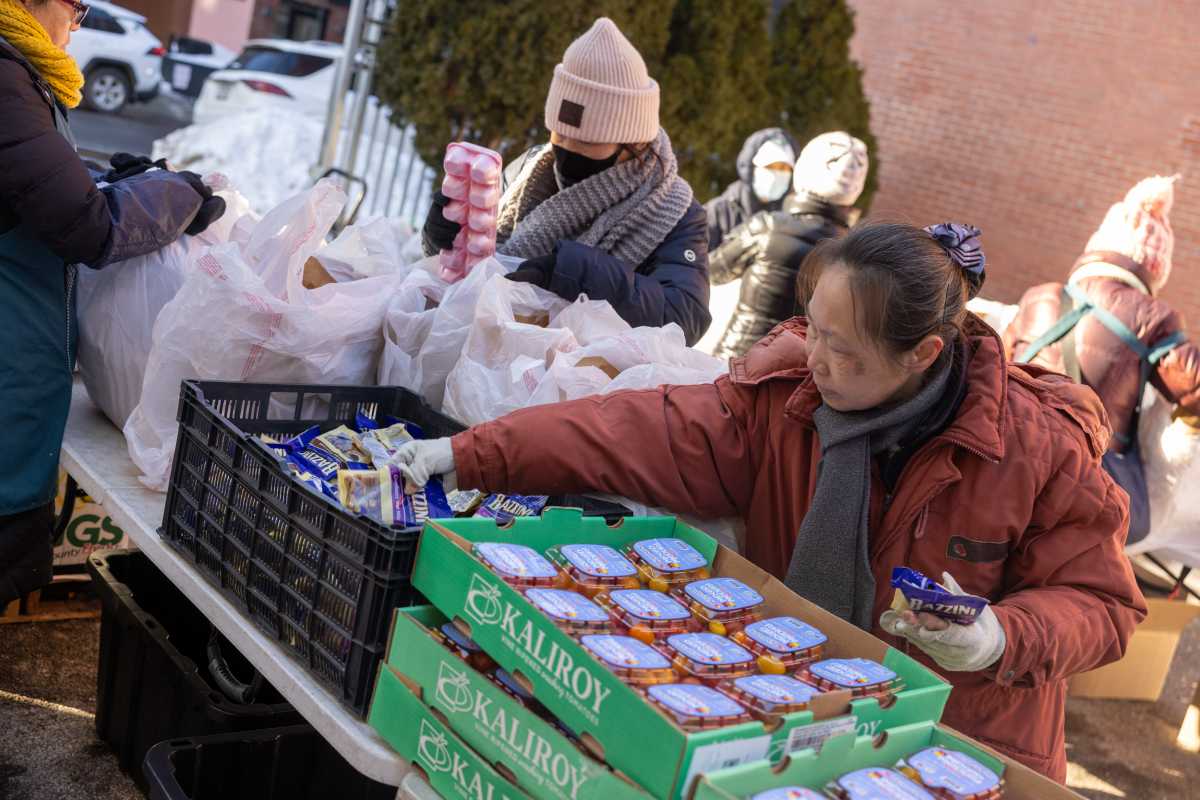
Riff said DoorDash sees repeat drivers showing up to its distributions in Queens, which he attributes to the community-centric aspect of the initiative.
“We often hear that Dashers enjoy doing something that both supports the community and enables them to do a lot of deliveries at once,” Riff explained. “They deliver up to 10 clients at a time, so it’s a bit different from the typical DoorDash delivery.”
Stephanie Hodge, a driver for DoorDash, said the company often sends out notifications to its drivers to inform them of any upcoming food distributions in the area.
On the day of each distribution, Hodge said she picks up the order, loads it into her car and delivers it directly to their respective recipients.
“I feel honored, because I’m actually making their day easier,” Hodge said. “They don’t have to stress about getting their orders.”
Tzu Chi submits delivery requests to DoorDash ahead of the distribution, Riff explained. Once nearby drivers accept the order, he said it normally takes them up to an hour to complete all 10 deliveries.
Because Tzu Chi has over 500 clients, DoorDash generally recruits between 40-50 drivers per distribution, some of which deliver to more than one route.
DoorDash compensates drivers for the deliveries just as they would any other order they accept, Riff explained — despite the fact that clients receive their deliveries for free.
“Dashers accept these orders at a pretty high rate — both because of the community aspect and because it’s one pickup point,” Riff said. “Some Dashers prefer this model.”
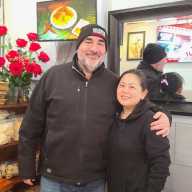
Freeman Su, executive director for Tzu Chi’s Northeast Regional Office in New York City, said the nonprofit supports both medical and education initiatives, as well as disaster relief and food insecurity.
Because this particular distribution is supported by the Medicaid waiver program, Su said it specifically supports individuals with financial and medical conditions who can’t afford or physically shop for food.
He explained that the organization operates out of three sites located in Queens, Brooklyn and Manhattan, all of which partner with DoorDash for the distribution.
In Manhattan, a little over 150 recipients benefit from the program, followed by around 300 recipients in Brooklyn. The Queens distribution is the nonprofit’s largest operation at 532 recipients, totalling close to 1,000 recipients.
However, Su said the nonprofit has the capacity to support up to 2,000 families with the support of the government, which reimburses Tzu Chi about $70 per family.
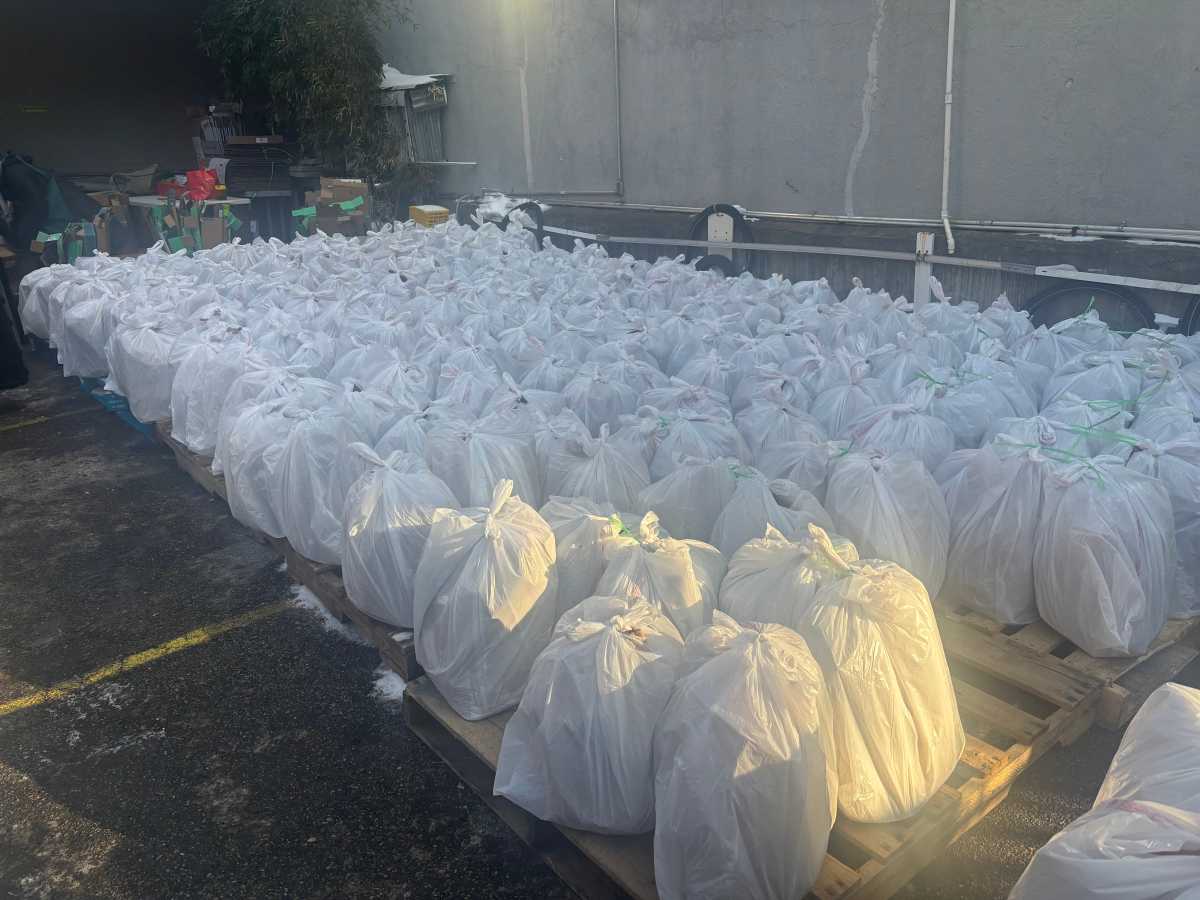
Tzu Chi is also celebrating its 60th anniversary and has amassed a significant amount of donors — around 10 million across the world — that donate to the nonprofit to support initiatives like alleviating food insecurity.
Su said the nonprofit partners with DoorDash because it does not have a distribution network of its own to deliver its orders. He said that DoorDash, which has supported over 5,000 food deliveries with the nonprofit since its partnership began in July 2024, has been professional and reliable thus far.
Riff said Tzu Chi often tells the Project DASH team the impact they have on the community, especially from those who are homebound such as seniors and disabled individuals.
Many other Medicaid recipients, he said, are simply unable to attend food pantries because they might be working or solely taking care of infants during the only hours the facilities are open.
“It’s a tough ask to have a friend or family member pick things up on their behalf,” Riff pointed out. “Being able to have the food delivered directly to their home puts them at ease.”
Not only that, he continued, but the delivery initiative helps reduce emergency care costs for Medicaid recipients as a result.
According to a 2018 study published on Health Affairs, food insecurity is associated with $77 billion in excess health care expenditures each year.
However, the study said, home-delivered meals help curtail the use of some costly health services in adults dually eligible for Medicare and Medicaid because it makes healthy foods tailored to their medical needs more accessible.
“Our partnership with Tzu Chi is a huge part of that,” Riff emphasized. “We’re looking forward to helping these programs grow across the city and the state.”
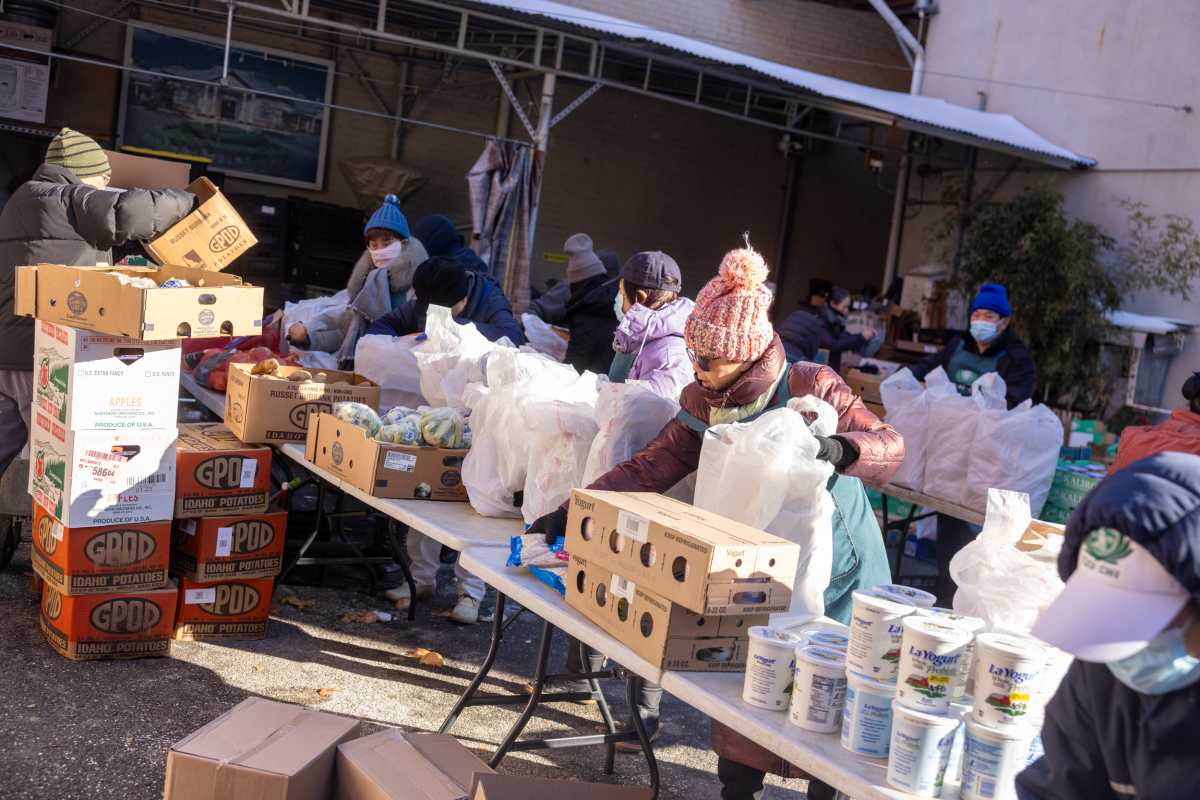
Su said he finds the work he does in Queens and across the city an important part of fulfilling his duty as a Buddhist and supporting those in his community.
“We see everyone as equal,” Su said. “For us, we have joy when we help people.”
In a world where there are many dangers and uncertainties, Su emphasized, it’s important for communities to support each other — especially those unable to support themselves.
“I encourage everyone to walk out and try to help the people, because you’ll see a lot of people need our help,” Su said. “We don’t need to fight each other, and we don’t need to argue with each other. If we just put good in our heart, our society and our communities, then I believe our community will become peaceful.”