

February is American Heart Month, and medical experts in Queens are sharing tips and best practices for residents to improve their overall heart health.
Heart disease is on the rise, according to the most recent statistics compiled by the American Heart Association, and remains the leading cause of death in the country.
While the association notes that heart disease cases leading to deaths have leveled since a major uptick during the COVID-19 pandemic, cases still increased from over 931,000 deaths in 2021 to over 941,000 in 2022.
Experts say societal factors, such as work culture, poverty and lack of access to healthcare, are contributing to the increase because they potentially lead to high blood pressure, obesity and poor intervention.
However, medical professionals explain that exercise, nutrition and mental health support can help individuals reduce their risk of heart disease, taking small steps every day toward improving their heart health.
While experts advise individuals not to overwhelm themselves with too many changes at once, they say small changes over time can drastically improve long-term health outcomes.
They also share ways individuals with busy schedules, lack of resources and affordability concerns can try to incorporate some of these heart-healthy tips into their existing lifestyle.
What is heart disease?

The World Heart Federation defines cardiovascular disease as a class of diseases that affect the heart or blood vessels — veins and arteries — that can be caused by a combination of socio-economic, behavioral and environmental risk factors.
WHF states that risk factors include high blood pressure, unhealthy diet, high cholesterol, diabetes, air pollution, obesity, tobacco use, kidney disease, physical inactivity, harmful use of alcohol and stress.
In addition, family history, ethnic background, sex and age can also affect a person’s risk of cardiovascular disease.
Symptoms of heart disease include discomfort in the chest and other upper portions of the body — such as arms, back, neck, jaw and stomach — shortness of breath, unusual fatigue or weakness, changes in heart rhythm such as palpitations, and pain, numbness or cramping of the legs.
Many of these symptoms can indicate a heart attack or stroke, especially if they appear suddenly and are accompanied by intense pain, arm weakness, balance issues, eye or vision changes, and difficulty speaking.
Who does heart disease impact?
According to a report by the NYC Department of Health, heart disease generally impacts adults over the age of 65. However, it says racial and economic disparities are huge indicators of premature deaths caused by heart disease.
Black adults in New York City experience premature deaths at nearly twice the rate of their White and Latino counterparts, and at nearly four times the rate of their Asian and Pacific Islander counterparts.
The report also shows that premature deaths from heart disease occur in high-poverty neighborhoods at twice the rate of wealthier neighborhoods.
A 2018 report by the AHA demonstrates a strong link between cardiovascular outcomes and lack of access to quality healthcare because patients are less likely to get regular checkups, take aspirin or receive guideline-recommended medications.
Early prevention and intervention

Dheeraj Khurana, chief of cardiology at Episcopal Health Services in Far Rockaway, helps spread awareness of heart disease in the community and teaches them how to take care of their heart health proactively.
Khurana assesses risks, he explained, such as diabetes and high blood pressure. He noted that about half of Americans have high blood pressure, which is considered a silent killer in the country because there are often no symptoms.
“Everybody should be very, very conscious of their health,” Khurana said. “If you go to a doctor’s office and they check your blood pressure regularly and it’s high, you can often modify it with diet and lifestyle changes. It’s important to catch these risk factors early on before it really starts hurting your heart.”
Assessing risk factors, he continued, can help patients not only reduce their risk of heart disease, but prevent it entirely.
Smoking, for example, is a high-risk factor in heart disease, but Khurana said how much a patient smokes can have a huge difference on health outcomes. Even small modifications, he explained, such as reducing smoking, can begin to reduce risk.
And, he stressed, patients should not delay seeking medical help if they begin experiencing chest pain, shortness of breath, or inability to perform activities they were previously able to.
“Let’s not wait for these events to happen,” Khurana said. “I’m a big fan of prevention. Get checked — it doesn’t hurt.”
Staying active with cardio exercises
Khurana noted that current medical guidelines recommend at least 30 minutes of cardio exercise — running, walking, swimming, biking, etc. — to maintain heart health.
A 2018 study by NIH states that cardio exercise can manage risk factors for heart disease, such as lowering blood pressure, increase insulin sensitivity and produce a healthier cholesterol profile.
John Hopkins Medicine states that 3-6 months after patients begin regular cardio exercise, they start to notice results, including lower blood pressure, lower heart rate and higher oxygen consumption.
However, Khurana acknowledged that exercise is increasingly becoming more difficult for individuals who work jobs that force them to sit at desks all day — a trend he’s noticed is impacting younger generations working from home.
“People don’t even walk outside sometimes,” Khurana said. “And fast food is so easily available and delivered to our front doors.”
This trend is confirmed by a report by the Stanford Center of Longevity, which shows that total sitting time among American adults per day increased from 5.5 hours in 2007 to 6.4 hours in 2016, and has only continued to increase since the COVID-19 pandemic.
That is why the report recommends that individuals find ways of staying active during their workday, including standing desks and walking pads.
For those without such resources, the report recommends frequent breaks for standing and walking, as well as easily accessible workout equipment that can be kept near individuals’ desks, such as dumbbells and yoga mats.
Nutrition and heart health

Nicole Smith, a registered dietitian and nutritionist at EHS, hosts nutrition workshops and supermarket tours in the community to help educate residents about preventing chronic diseases by eating healthier.
“Nutrition can be one of the most powerful tools when it comes to prevention and long-term management of heart diseases,” Smith emphasized, noting that food affects weight, blood pressure and cholesterol. “We should definitely be mindful of what we eat.”
The main food components that impact heart health include sodium, cholesterol and fat.
Smith said foods high in sodium tend to be processed — such as breakfast and deli meats, hot dogs, and chips — but can also come from places people might not realize, such as candy, desserts and energy drinks.
Fried foods also tend to be high in fat and cholesterol — particularly low-density lipoprotein cholesterol, which is considered the “bad” kind.
Avoiding red meats and being mindful of the kinds of oils individuals use — tropical and coconut oils — is an important part of managing lipid levels, she said. She recommended individuals instead choose extra virgin olive oil or avocado oil.
It’s best to avoid processed foods and fast food entirely, Smith continued, instead opting for natural foods such as fruits and vegetables, whole grains, nuts and seeds, lean meats like chicken, and fish.
In terms of portions, Smith recommends individuals use AHA’s Deliciously Balanced Plate Infographic, which instructs them to use a 9-inch plate to portion meals. Half of the plate should include fruits and vegetables, a quarter should include lean protein and the remaining quarter should be whole grains and complex carbohydrates.
For those with lack of access to fresh produce, Smith recommends individuals purchase frozen fruits or vegetables instead.
She said individuals who often need to access food quickly at fast food restaurants can eat smaller portions of meals, ask not to add salt, or scan the menu for items that are grilled or baked instead of fried.
“Small changes can make a big impact,” she said. “Don’t overwhelm yourself. If you have certain foods you like, just think, ‘How can I make this more healthy for myself?’ Maybe you can remove a bun, or add a side of veggies.”
Impact of social isolation on the heart
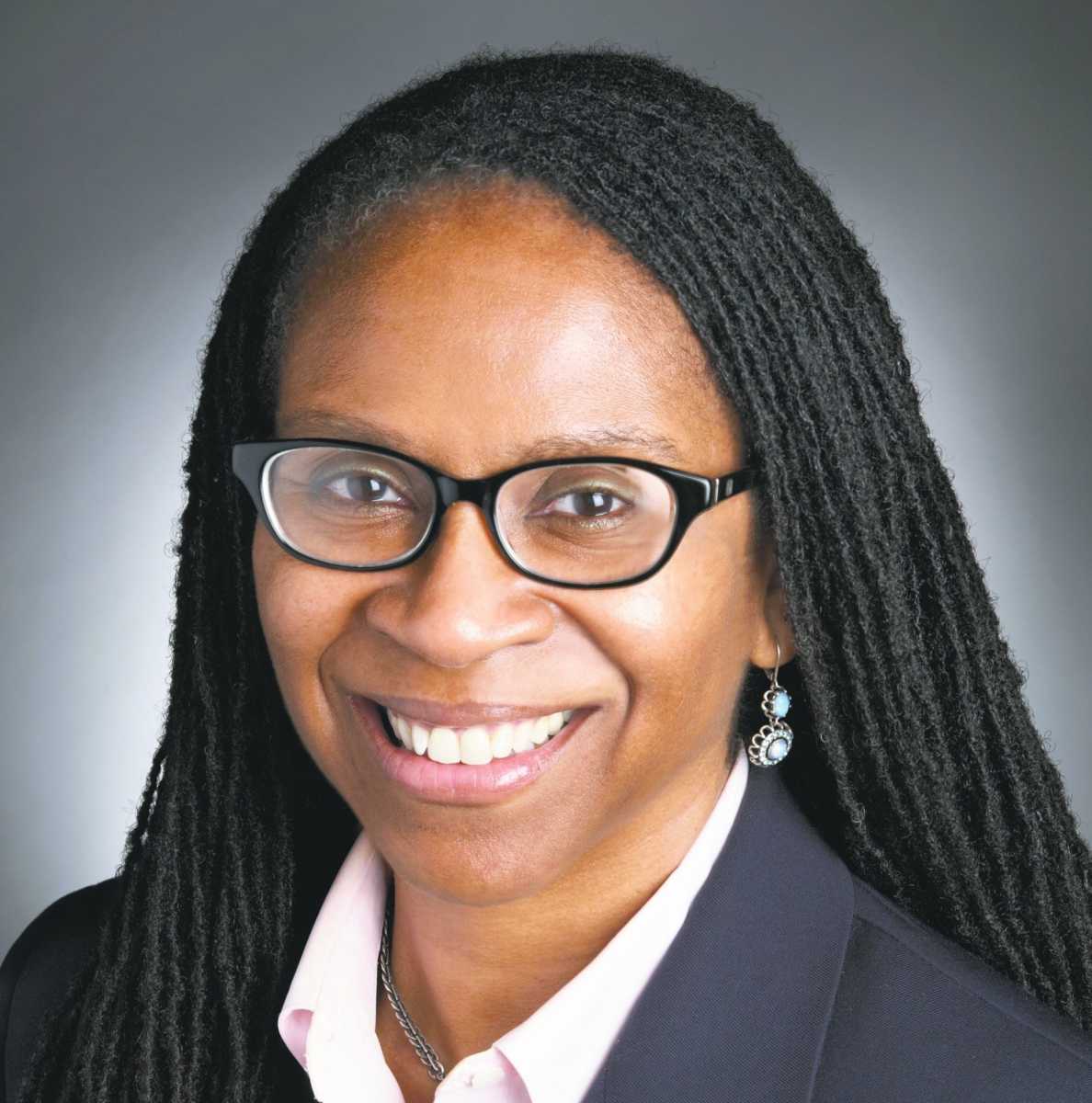
According to Susan Beane, medical director of Healthfirst, medical professionals are starting to notice a link between social isolation and heart health.
Social isolation, she explained, is defined by a lack of social connection, meaning few or no meaningful interactions or few people to rely on. Many who experience social isolation live alone or very far away from family members, she continued.
Seniors, who already have a higher risk of heart disease, also tend to experience social isolation at a higher rate.
Isolating events include health-related quarantines, such as the one that occurred during the COVID-19 pandemic, as well as weather-related events that prevent people from going outside and physically interacting with each other, such as snow or harsh winter weather.
While the medical industry is still trying to understand the exact reason social isolation and heart health are linked, Beane emphasized the importance of staying connected with others to better support heart-healthy habits.
“Healthfirst has spent a lot of time thinking about opportunities for people to make connections,” she said. “We try to promote as many community activities as possible so people who might otherwise be isolated have an opportunity to do some of the things they like to do.”
For example, she said, the NYS Office for the Aging compiles resources for older adults who might be isolated due to the death of a partner or lack of family nearby, so they can find programs that help keep them connected and active.
“As a health organization, one thing we do is promote this idea among our providers,” Beane said. “This way, we can think about this as part of the overall health profile of the patients they’re serving.”
A cardiology patient’s story

Oneeka Leach, a 48-year-old patient of Khurana, said she used to be athletic when she was younger and danced often. While she no longer dances, Leach said she still keeps active in the summer by running a few times a week in the park before work.
Leach, a full-time worker who immigrated to Queens from Guyana and often incorporates rice into her meals, was diagnosed with Type II Diabetes in 2022. She also has no history of heart disease in her family.
However, in June of last year, Leach started noticing some pain in her chest, back and arms while running. When it happened a second time, she said she became alarmed and scheduled an appointment with her primary care physician, who then referred her to Khurana.
Khurana performed an electrocardiogram, or EKG, although the results were inconclusive. The cardiologist then had Leach perform a nuclear stress test, during which her heart activity was monitored while running on a treadmill and at rest.
After the results came back abnormal, Leach met with Khurana and discussed her history of Type II Diabetes. She said Khurana explained to her that diabetes put her at a higher risk for heart disease.
Leach was then sent for a coronary angiogram, an X-ray imaging test that helps doctors examine the flow of blood through arteries and veins that involves the insertion of a catheter into an artery with contrast. She said she was initially nervous but felt comforted by Khurana that whatever the test revealed, they would handle it.
After the completion of the angiogram, Khurana discovered microscopic blockages in Leach’s arteries.
Khurana initially put Leach on baby aspirin, which acts as a blood thinner, but eventually took her off it after prescribing her a type of cholesterol medication called statins. He also changed her blood pressure medication, which she’d taken prior to his treatment of her.
He then provided some suggestions for her diet and exercise regimen, which Leach said she’s now implemented into her everyday life.
Leach now commutes to work to help increase her activity levels and cardio, going up and down the stairs on the way to and from her job.
She said she no longer eats rice or anything starchy after 6 p.m. when she gets home from work, as well. Instead, she drinks bush tea, which is composed of natural herbs.
“I have to make a sacrifice for myself,” Leach said. “I want to have grandchildren and live a long and healthy life. Everybody needs to understand that just because it doesn’t run in your family doesn’t mean you’re not going to be affected by it. It’s always good to take precautions and make sure you’re eating right and exercising. Especially women — we put ourselves on the back burner. But I learned that I have to take care of me too.”