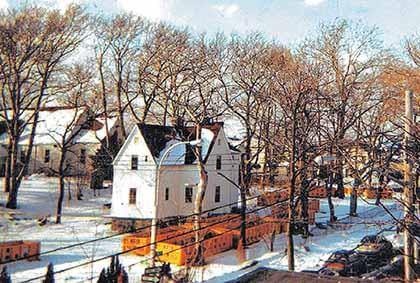

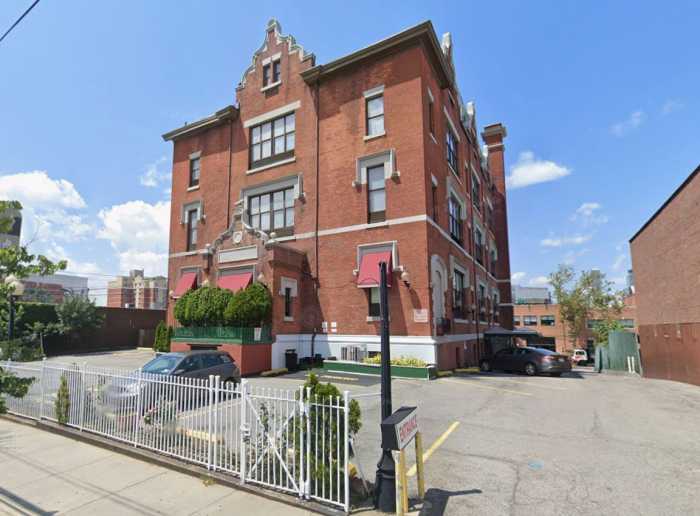
The staff of P.S. 199Q Maurice A. Fitzgerald in Sunnyside and Community Education Council 24 (CEC 24) were shocked to learn that 37 students, members of 25 families living in City View Inn shelter, located at 33-15 Greenpoint Ave. in Long Island City, were being moved out of their homes and to new locations around the city.
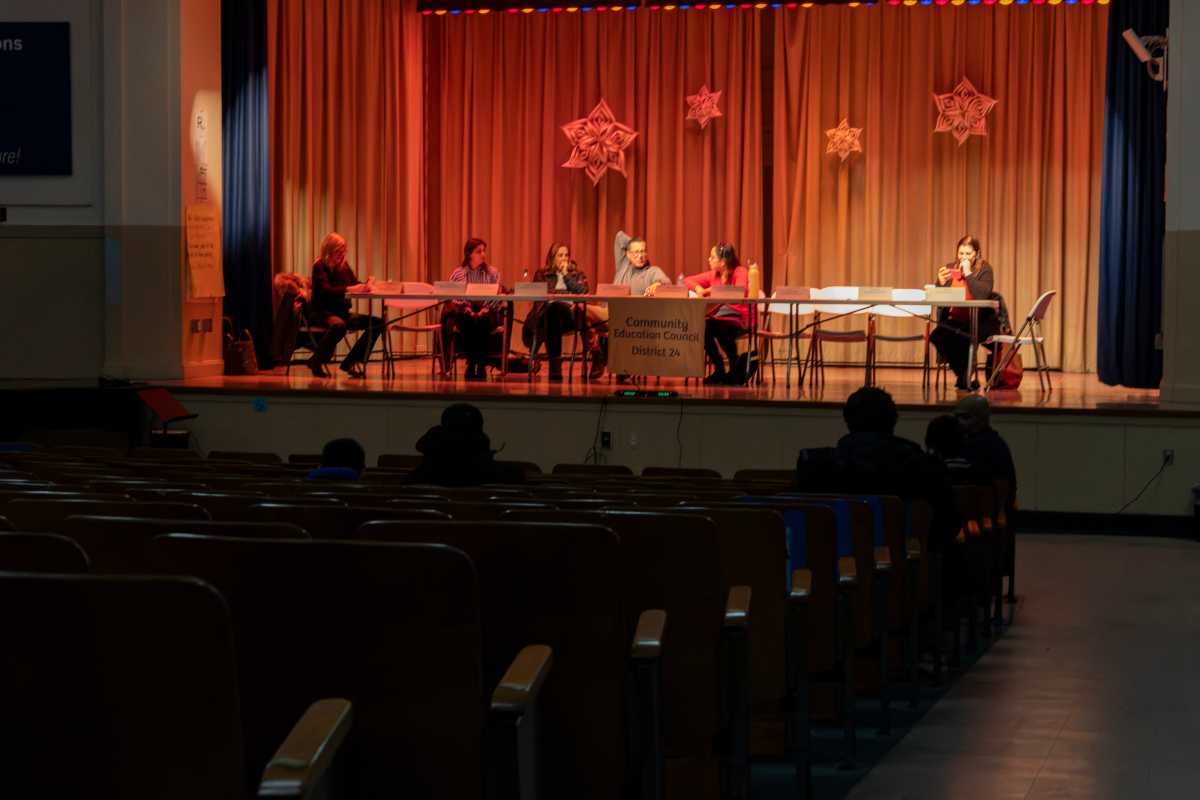
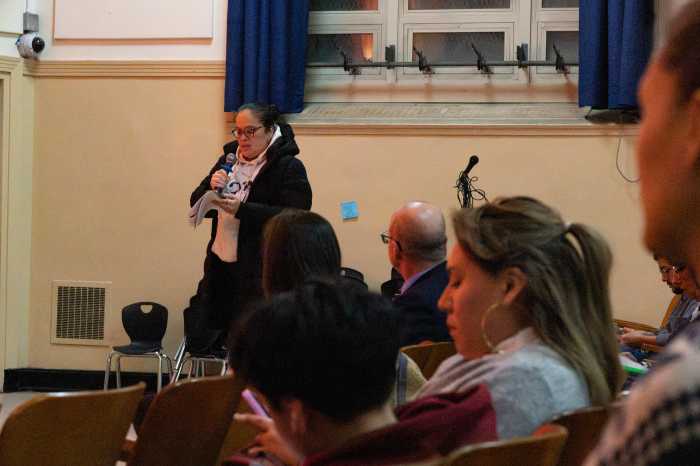
On Feb. 11, CEC 24 held an emergency meeting to discuss the quick removal of the families and recommend to Mayor Zohran Mamdani, Chancellor of New York City Public Schools Kamar H. Samuels and the Department of Homeless Services, currently without a commissioner, to repeal the “60 Day Rule” and prioritize the families’ return to the education district. However, the 60 day rule was not the reason why the families were moved.
“The whole council should advocate for our community and our students: no matter what the issue is,” said CEC 24 President Mathew Crescio. “It’s more severe as this. We will advocate for our students until we correct it.”
Both Mamdani’s office and the DHS have stated that the 60 day rule has never actually gone into effect for DHS run shelters. The shift in populations amid the shelters is due to the need to reaorganize as the city grapples with the Code Blue alert, which has been in effect since Mamdani issued it in January due to the freezing temperatures; sometime as sub-zero due to wind chill.
“Over the past several weeks, as New York endured a brutal stretch of cold weather, we mobilized every resource at our disposal to bring our neighbors indoors and out of harm’s way. No one should be left to face freezing temperatures alone. We moved with urgency to expand low-barrier bed capacity for single New Yorkers experiencing homelessness — reconfiguring and optimizing existing shelter space to meet the moment,” said a spokesperson for the Mayor’s office. “At the same time, DSS case managers worked directly with every household to ensure transitions were handled with care, dignity, and stability. For families, that meant centering each household’s unique needs — safeguarding academic stability for school-aged children, maintaining access to busing, and ensuring continuity of the wraparound services and supports they rely on every day. Because responding to a crisis isn’t just about adding beds. It’s about protecting people’s lives, their education, and their path to stability — all at once.”
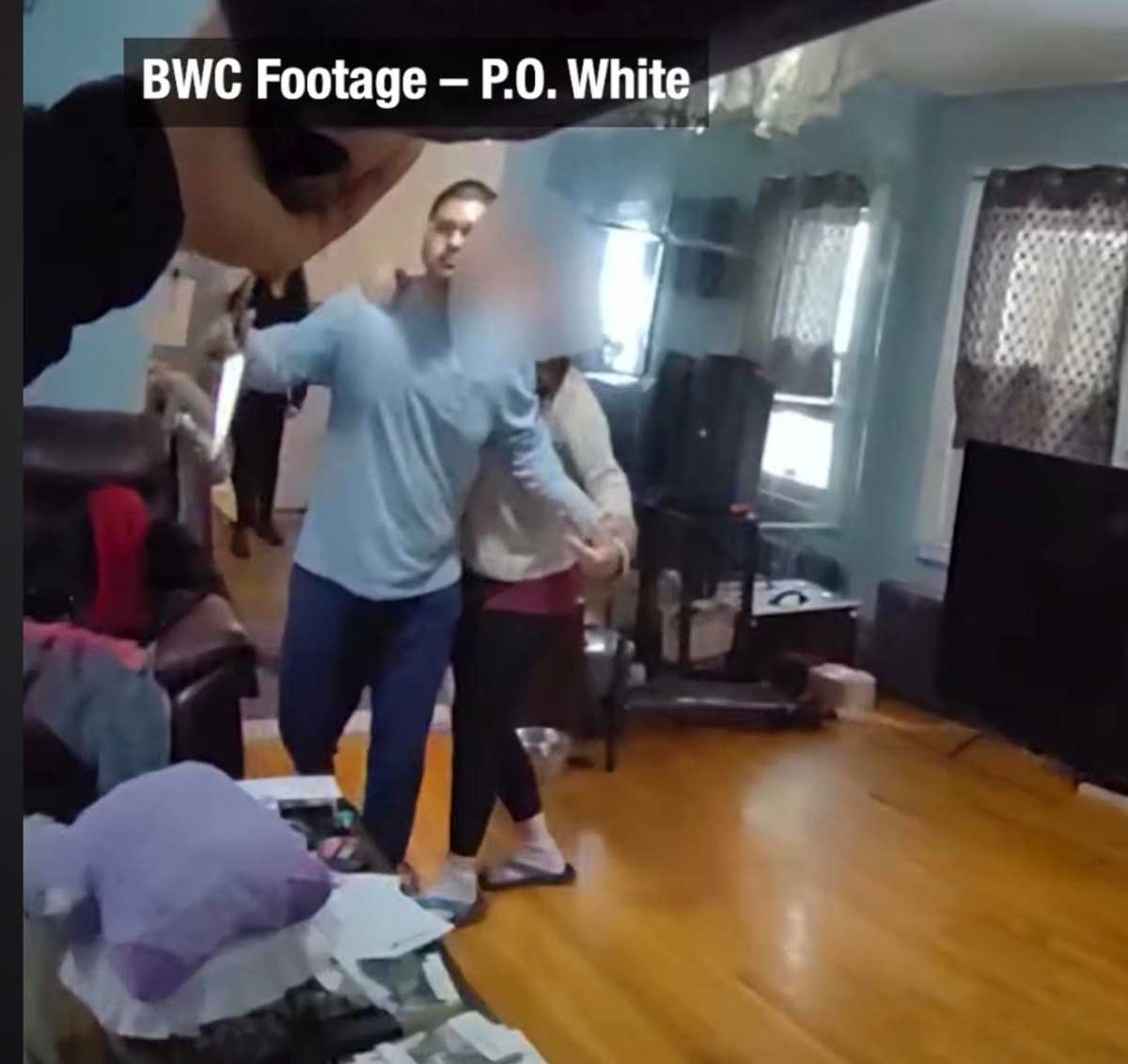
The change still came as a surprise to many within the community, as DHS notified the families on Feb. 6 that they would need to be moved in just one week. While Council Member Julie Won was notified of the move, neither CEC 24 nor P.S. 199Q Principal Kujtim Daliposki were alerted. Instead, they were informed by word of mouth from the affected families while the transition was ongoing.
The “60 Day Rule,” which CEC24 blamed for the sudden relocation of the two dozen families, comes from the Adams administration and requires that any family residing in a shelter must reapply after 60 days if no other housing options exist. The rule would require families to relocate at least four times throughout the school year, disrupting the students’ education and overall stability.
“Tonight, the Community Education Council for District 24 (CEC 24), in partnership with CEC 30, unanimously passed a Resolution in support of the PS 199Q community opposing harmful shelter transfers for families of New York City Public School students,” said Won. “Parents have spoken loud and clear. The Department of Social Services must reform its policies and prioritize students who learn best in stable environments where they can establish deep connections with their schools and neighborhoods.”
View this post on Instagram
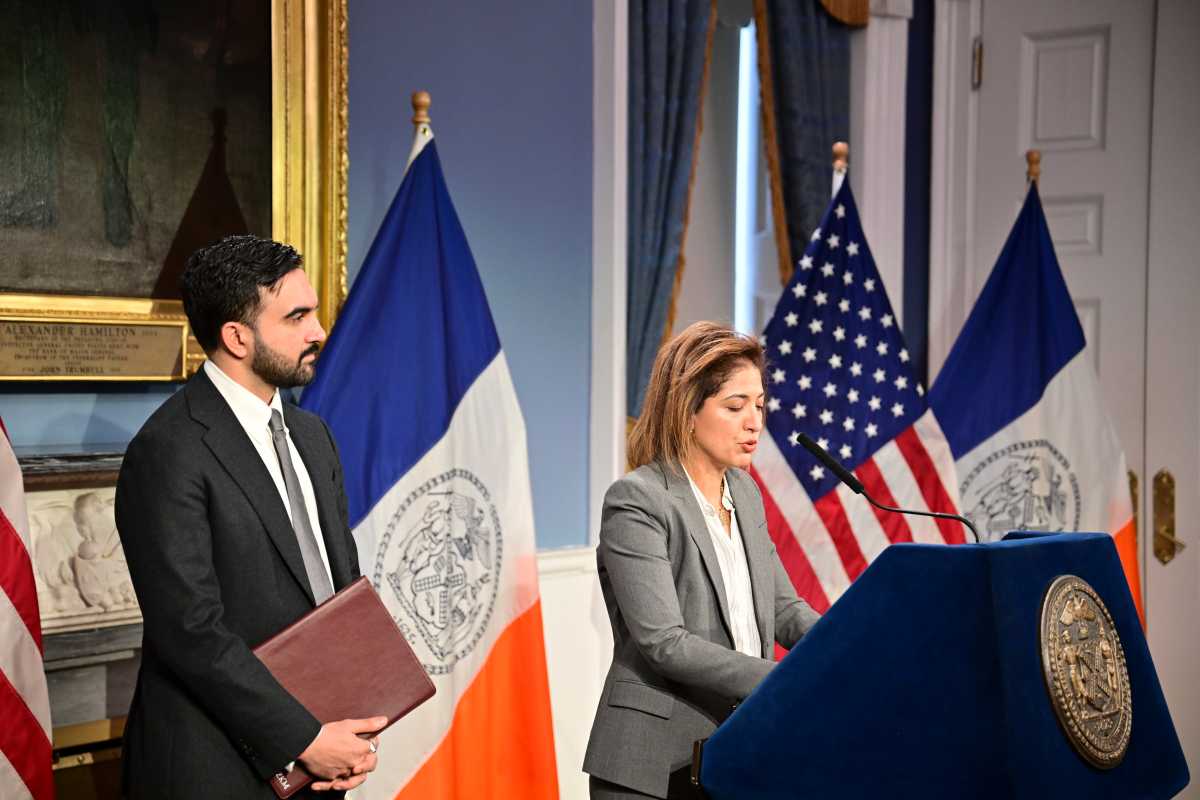
Won held several protests in the streets against the decision and the Adams administration’s rule. DHS Commissioner Moly Wasow Park, appointed by former Mayor Eric Adams, resigned earlier this week, though not because of the 18 deaths that came amid New York’s worst winter in decades or the shelter population changes. Park stated it was due to uncertainty around her position with DHS, and that the agency deserved a “permanent” leader, though Won was critical of her choice to resign during the Code Blue and displacement of families in her district.
A DHS spokesperson stated that the department had never instituted the 60 Day Rule, that DHS-run shelters have no time limit and still prioritize keeping families within the same borough to avoid disruption in their lives. It was the emergency Code Blue issued by Mamdani in January that required a shift in the approximately 85,000 individuals within DHS shelters.
The Code Blue even required DHS to open other temporary shelters, sometimes within just a single day, to aid those on the streets from freezing in the sub-zero temperatures. The families residing in City View Inn were relocated to make room for single, adult males.
According to the DHS, the 25 families were given a choice of their preferred borough with a second as a backup option, and the agency’s priority is to keep families in the same borough as the youngest child’s school. As per the McKinney-Vento Act, elementary and middle school students in temporary housing are entitled to placement at their zoned school. DHS stated that students are entitled to “continue attending their school” and that “appropriate transportation arrangements will be made.” Families will receive OMNY cards to pay for travel expenses, though CEC24 plans to amend its initial resolution to advise DHS to include school bus transportation for the families.
“DHS is responsible for providing temporary housing to every New Yorker who comes to us in need, and in order to comply with this legal and moral obligation, we must ensure that adequate shelter capacity is available to meet demand. During this recent stretch of dangerously cold weather, we used every resource at our disposal to do so. This included rapidly opening new low-barrier shelters and reconfiguring existing DHS capacity,” said a DHS spokesperson. “Throughout this process, case managers worked closely with each household to ensure a smooth transition and continuity of services while prioritizing academic stability for all school-aged children.”
Though the DHS provides an array of services to help families through the transition period, CEC24 noted in the resolution that they still have an impact on children’s overall education and graduation rates.
“Many students residing in shelters have already experienced significant disruptions to their education, compounded by the trauma experienced as a result of displacement, migration, and ongoing instability,” the resolution states.
According to CEC24, only 56% of students who experienced homelessness during high school graduated within four years. But for those students who did not transfer mid-year and were able to attend regularly, that rate rose to around 90% and fell closer in line with the citywide rate.
“We made important considerations for each family’s unique needs, and we will continue to work with them to make sure they are connected to all available resources and supports, including transportation to their current school or new school,” said the DHS spokesperson.
A New York City Public Schools representative deferred to DHS and City Hall for comment. Mamdani’s team has not yet responded, though they stated a new DHS commissioner will be selected within the coming weeks.