The world just got a little more wonderful for Louis Armstrong fans and anyone interested in learning more about the famed musician, composer, Civil Rights activist and former Queens resident.
Armstrong, whose signature songs include “What a Wonderful World” and “When the Saints Go Marching In,” got a big vote of confidence from the New York City government – along with funding.
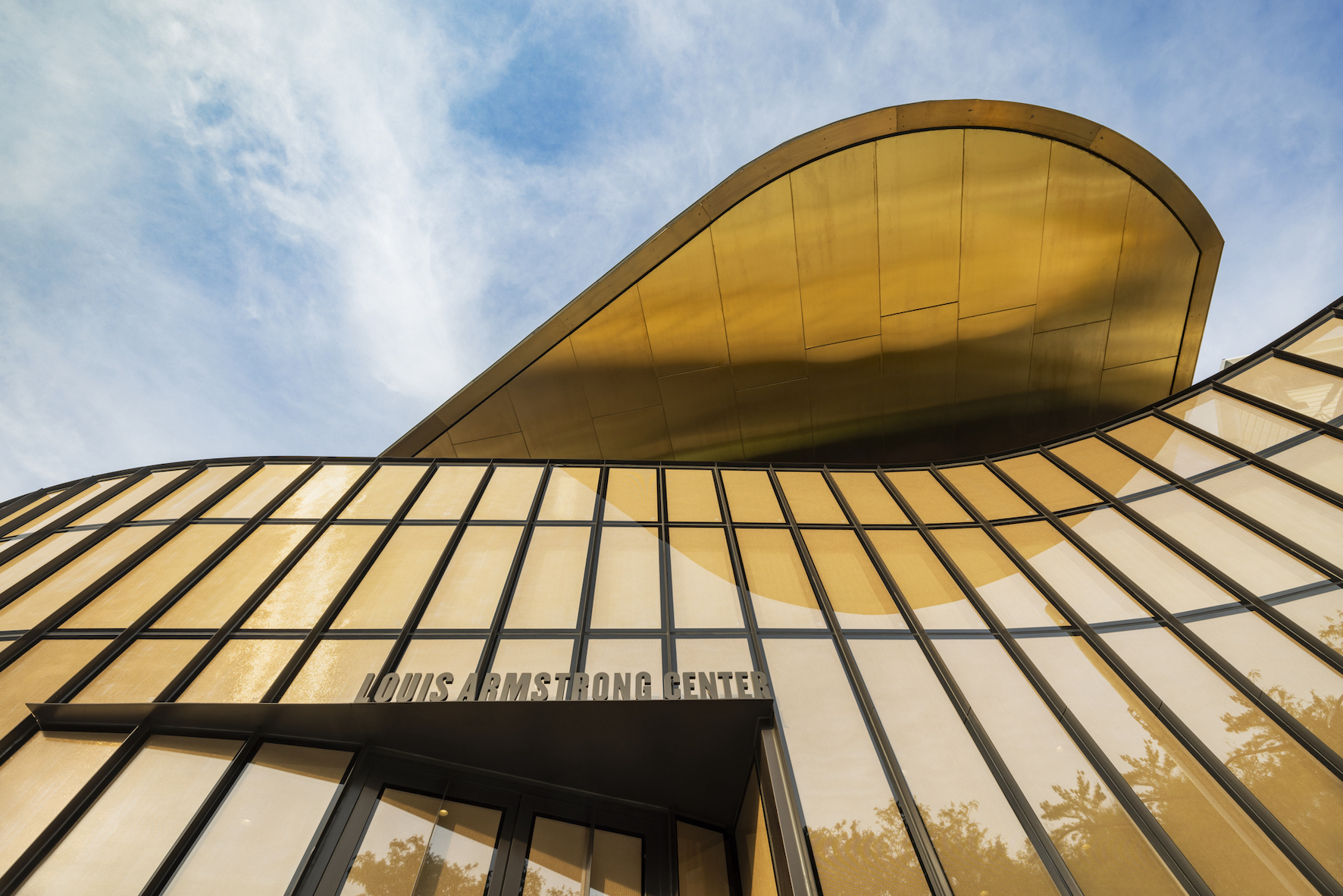
The Louis Armstrong House Museum and Louis Armstrong Center across the street, located in Corona, two years after renovation (and the center’s construction), have been added to New York City’s Cultural Institutions Group (CIG), which brings funding and potentially greater renown.

They were one of five institutions, including one from each borough, named to this distinguished list as of September, which now includes 39, all on city property.
The last institution to join this prestigious cultural club was the Weeksville Heritage Center, added in 2019, after the Museum of Jewish Heritage in 1997 was named to this sort of list of cultural landmarks.
“This support helps to provide fiscal stability for a new facility built on historic grounds for a new generation, serving visitors from around the block and around the world,” Executive Director Regina Bain said.
The museum won the National Medal for Museums in 2024, as the home of a jazz great is transformed into the heart of a great museum.
“What it does, rightfully so, is it puts the Louis Armstrong House Museum in the same league, the same tier, as the Metropolitan Opera House, Carnegie Hall, the Metropolitan Museum of Art, Flushing Hall, major cultural institutions in the city that are treasures,” Louis Armstrong House Museum Chairman of the Board Jay Hershenson said. “They are part of this CIG status, cultural institution group. We are now a cultural institution group member.”
The city recently allocated $3 million for five new CIG members, including the museum, as part of a select group that gets a line in the city budget administered through the New York City Department of Cultural Affairs.
It joins other Queens CIG institutions, including Flushing Town Hall, the Jamaica Center for Arts and Learning, the Museum of the Moving Image, the New York Hall of Science, MoMA PS 1, Queens Botanical Garden and the Queens Museum and Queens Theatre.
“This is a sparkling jewel in the crown of the city,” Hershenson added of the museum near Northern Boulevard, at 107th Street and 34th Avenue, near the 7 train and not far from Citi Field. “To accomplish anything important, you have to be able to work as part of a team. You can’t constantly say ‘I, I, I’ all the time. You have to say ‘we.’ That’s what happened here.”
The museum, affiliated with and supported by Queens College, reached this milestone, led by its director and board with the support of Queens Borough President Donovan Richards, as well as his predecessors and the City Council.
Mayor Eric Adams and Department of Cultural Affairs Commissioner Laurie Cumbo helped obtain the designation.
“Queens College stepped in many years ago, working with the city, that offered to help to ensure that this treasure of a house would become an accessible, available museum,” Hershenson said.
The museum opened in June of 2023 with the help of $26 million, essentially half from New York State and half from New York City, to take Louis Armstrong’s Queens life from the past to the present and a house from history to a museum and memorial.
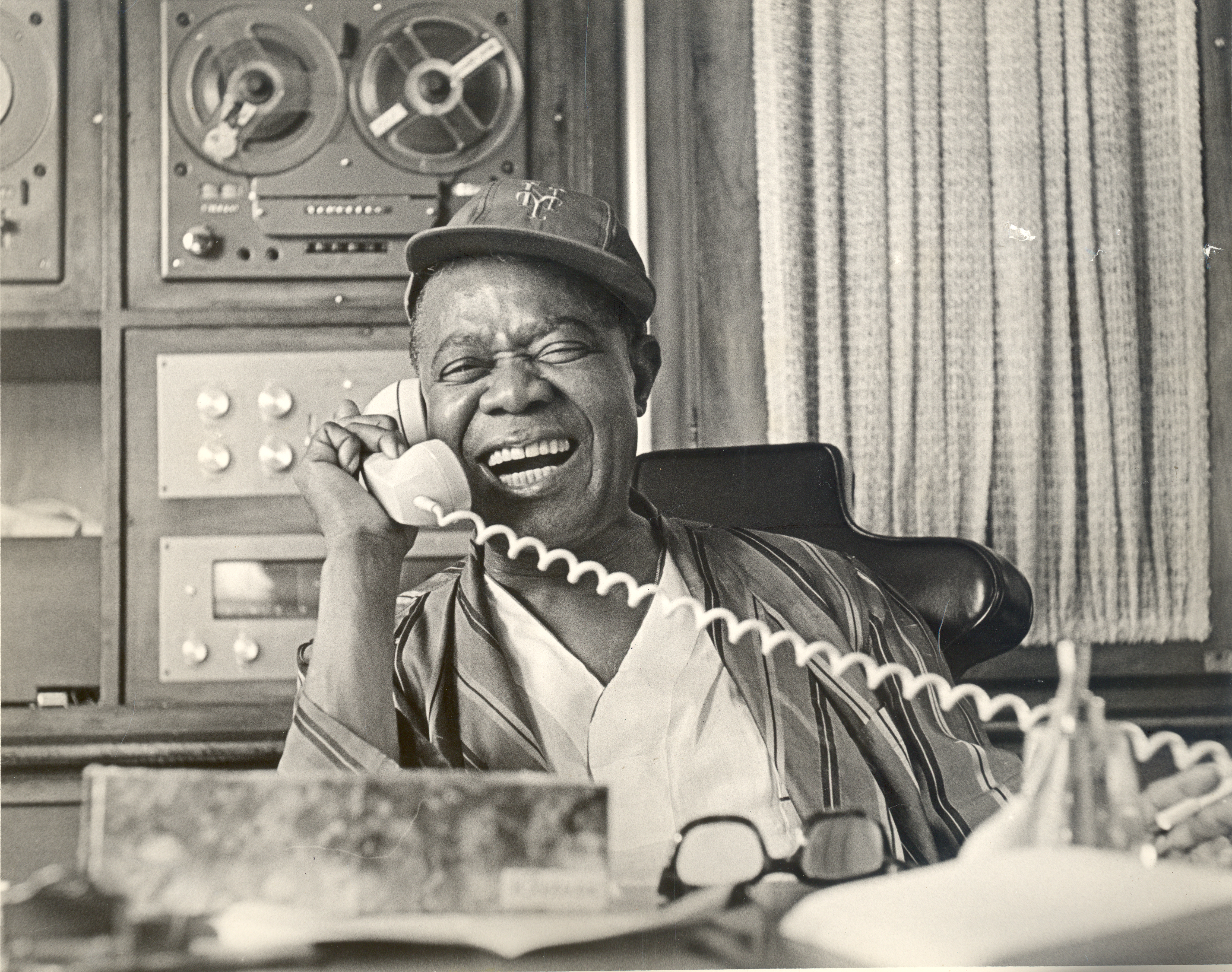
“Louis Armstrong was the greatest jazz musician of all time. He not only wrote, did lyrics, performed,” Hershenson, who grew up about a mile from the museum, said. “When you visit the Louis Armstrong Center, you see that he designed his album covers. He was a tremendous artist, he was in movies, he performed. He had so many skills that made him stand out.”
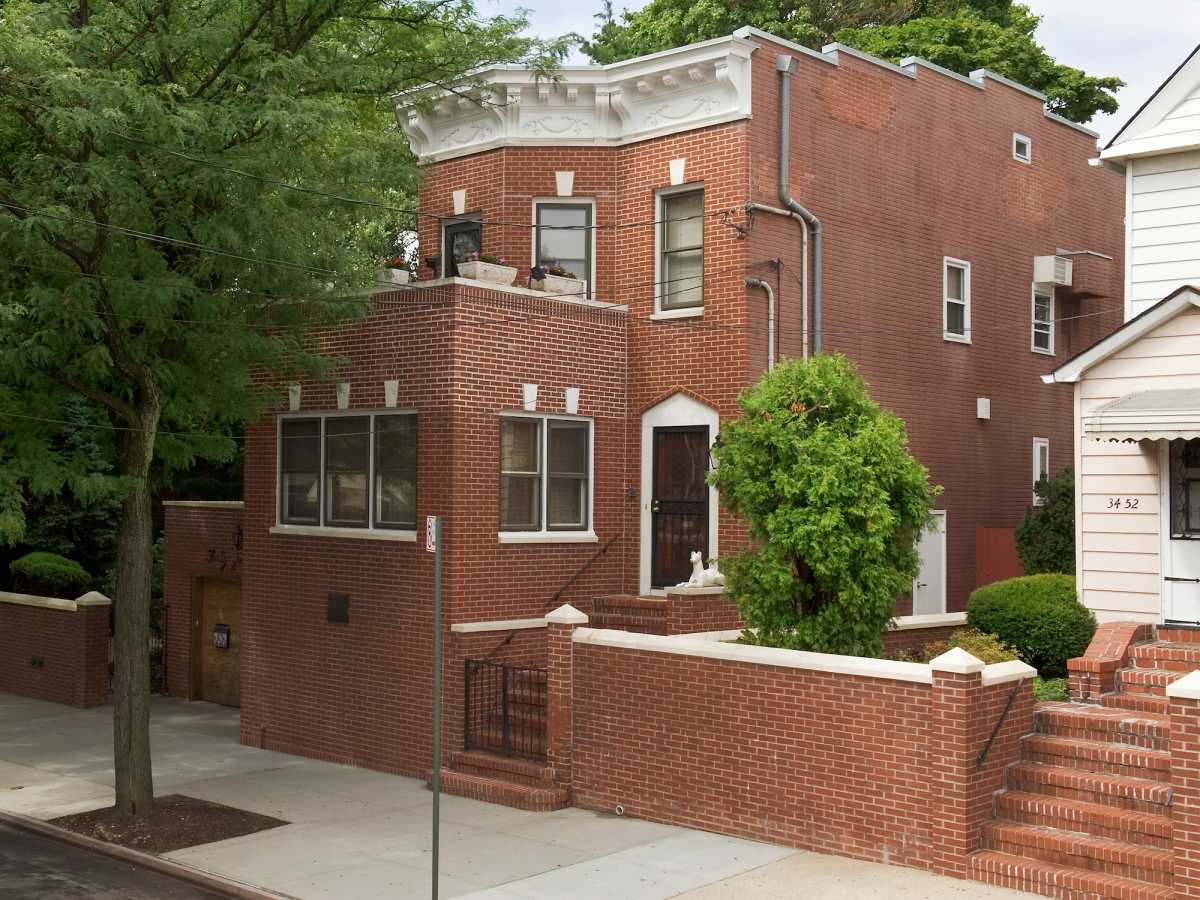
The Louis Armstrong House Museum complex includes the original house where Louis and Lucille lived across the street from the Louis Armstrong Center, which houses a 60,000-item archive, exhibition space and a jazz club.
The Selma house, donated by a neighbor, is being renovated to provide additional space for a world-class museum in Queens.
“The original house is a museum,” Hershenson added. “You visit the house, you’ll see his den, everything about a rather normal home in Corona, Queens, completely preserved.”
Visitors see paintings, a piano and tape recorders used to record music before commercial recordings were made.
“It’s all there,” Hershenson added.
Walk across the street and visitors see the Louis Armstrong Center designed by Jason Moran, pianist and composer who was the curator for the Kennedy Center in Washington, D.C., which houses the archives, exhibition space and a jazz club.
Archivist Ricky Riccardi, who has written extensively about Louis Armstrong, works as director of research collections for the museum, which partners with Queens College’s School of Music, whose faculty conduct seminars and educational programs with the museum.
“The affiliation with Queens College is so important,” said Hershenson, vice president for communications and marketing and senior advisor to the president of Queens College and an alumnus. “We have programs that reach out to teachers in the New York City public school system and teach about the legacy of Louis Armstrong.”
The museum honors him not only as a performer, but for his commitment and courage as a Civil Rights activist.
“Louis Armstrong was a towering civil rights leader,” Hershenson added. “He refused to perform in any city that would not allow him to stay in the hotel where he was performing. He broke barriers, spoke out against injustice.”
The third piece in the puzzle is Selma’s house next door, donated by a neighbor, which, with the help of the Department of Cultural Affairs, is being renovated.
“It will become a space where the life of the community will be exhibited,” Hershenson said. “Louis Armstrong and Lucile were so close to the Corona community.”
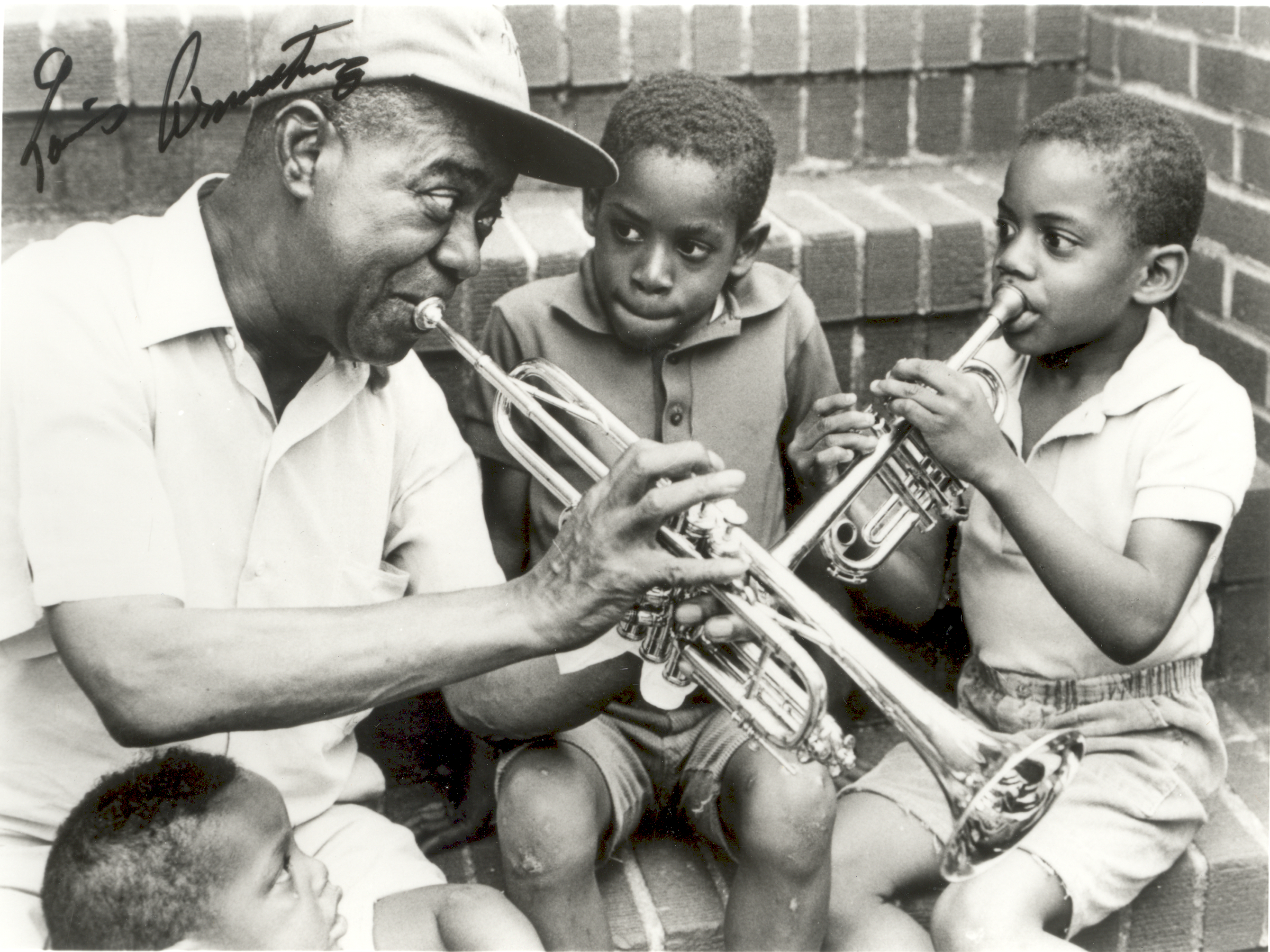
Armstrong played his favorite trumpet, known as the ice cream trumpet, on his stoop in front of an audience of neighborhood children.
“It was called that, because after he finished playing for the kids in the neighborhood, he bought them ice cream,” Hershenson said. “When those kids sat with Louis Armstrong on the stoop, they walked away, saying to themselves, ‘I can make music too.’ It’s the legacy of Louis Armstrong that will inspire future generations.”
A garden next to the Louis Armstrong house, in warmer weather, is used to present concerts to public school students.
“He didn’t have much of a formal education and came from New Orleans and became an enormous success in the world, because of his amazing talents,” Hershenson said. “He stands as an inspiration. The city has made this site an inspiration for New York and the country.”