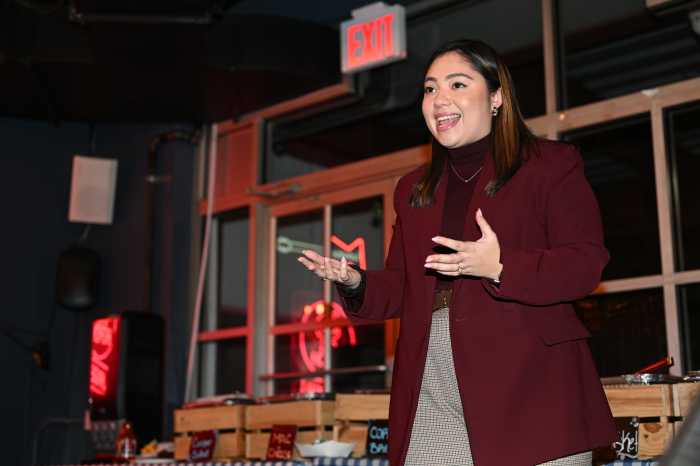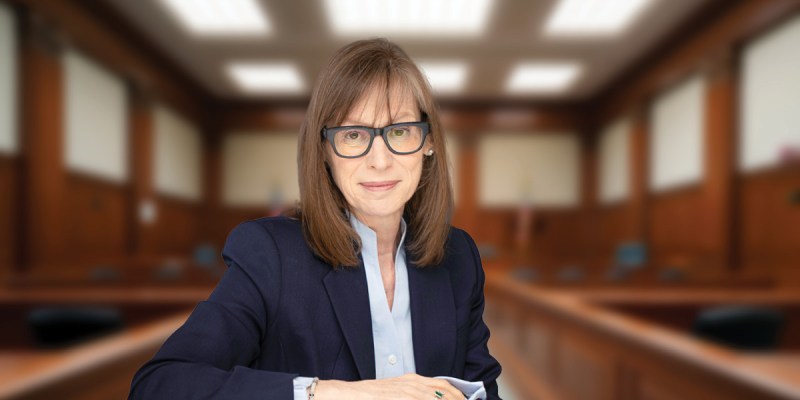
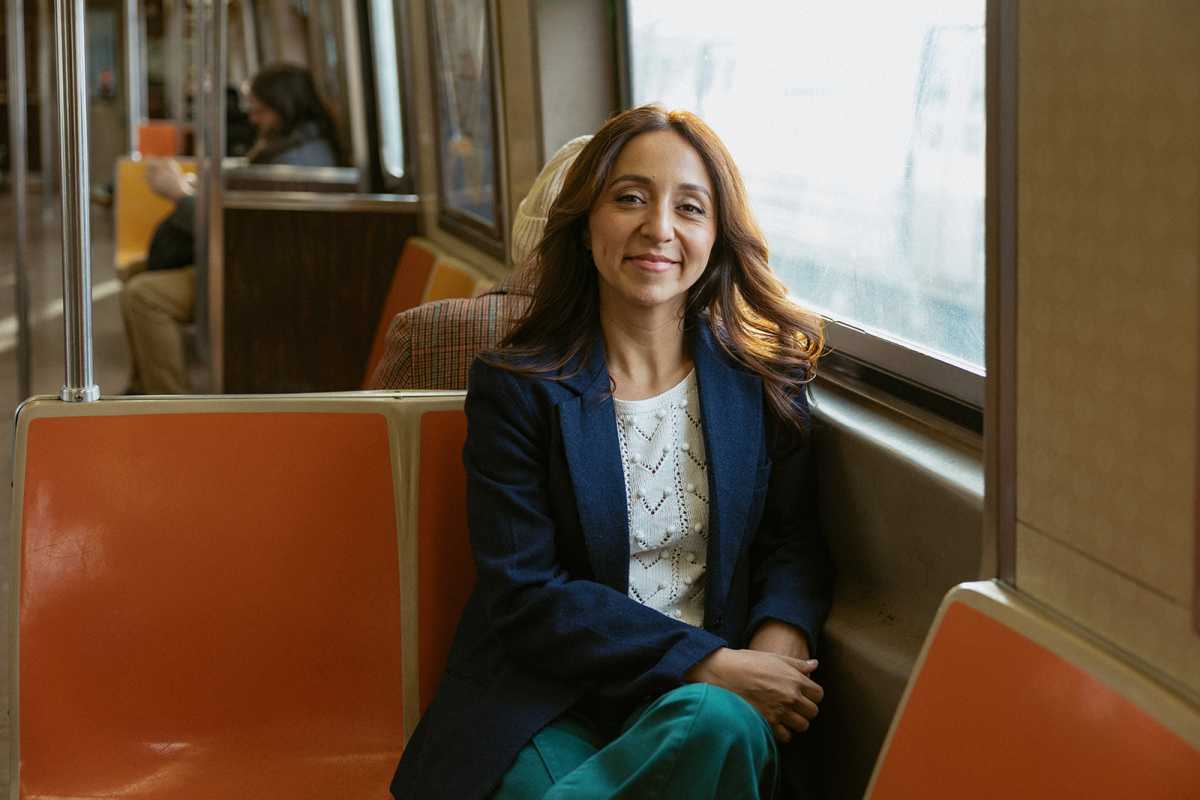
Diana Moreno, a candidate in the upcoming Assembly District 36 special election, is seeking to build on the momentum of Mayor Zohran Mamdani’s victory in the 2025 mayoral election.
Moreno, an organizer within the New York City chapter of the Democratic Socialists of America (DSA), is cut from the same cloth as the Mayor and hopes to bolster both Mamdani’s affordability agenda and DSA strength in Albany if elected to the state Legislature in a special election on Feb. 3.
Moreno has picked up the Queens Democratic Party nomination ahead of the special election as well as endorsements from the DSA and Mamdani himself, and believes that Mamdani’s successful mayoral campaign offers a blueprint on how to run a successful campaign.
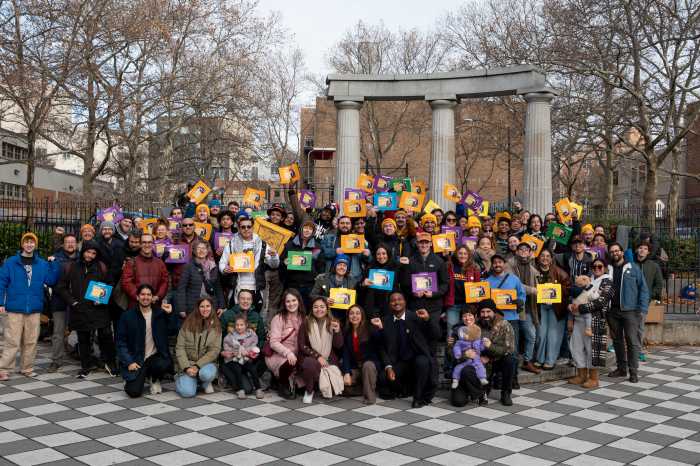
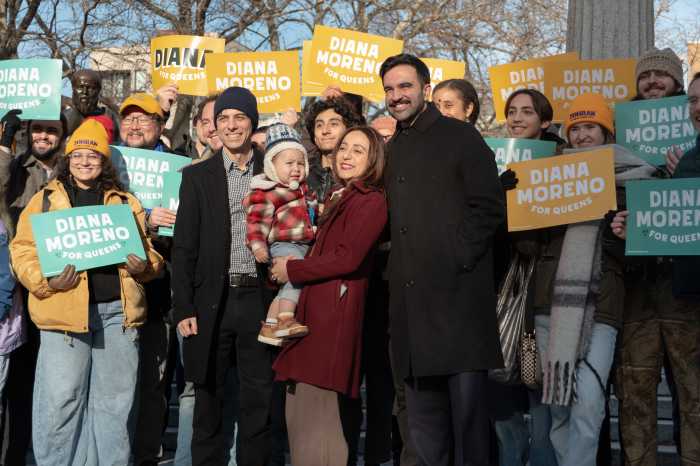
“A deep source of pride for me is how we’ve transferred the energy from Zohran’s campaign into our campaign,” Moreno said. “We have knocked on over 6,000 doors in under two months since launching our campaign.”
Running in one of the most progressive districts in the city, which has recently been dubbed the “People’s Republic of Astoria,” Moreno is up against two other progressive candidates in next month’s special election.
Rana Abdelhamid, founder of community non-profit Malikah, and Mary Jobaida, a member of the Bangladeshi community who has made affordability central to her campaign, have both collected enough signatures to appear on the ballot next month. Abdelhamid and Jobaida are both DSA members and are ideologically aligned with Moreno on several issues.
Moreno, however, emphasized that she is a movement socialist running as part of an organized movement rather than as an individual candidate. She also pledged to be an “unwavering ally” to Mamdani’s affordability agenda, stating that electing DSA members to Albany will help Mamdani deliver on his campaign promises.
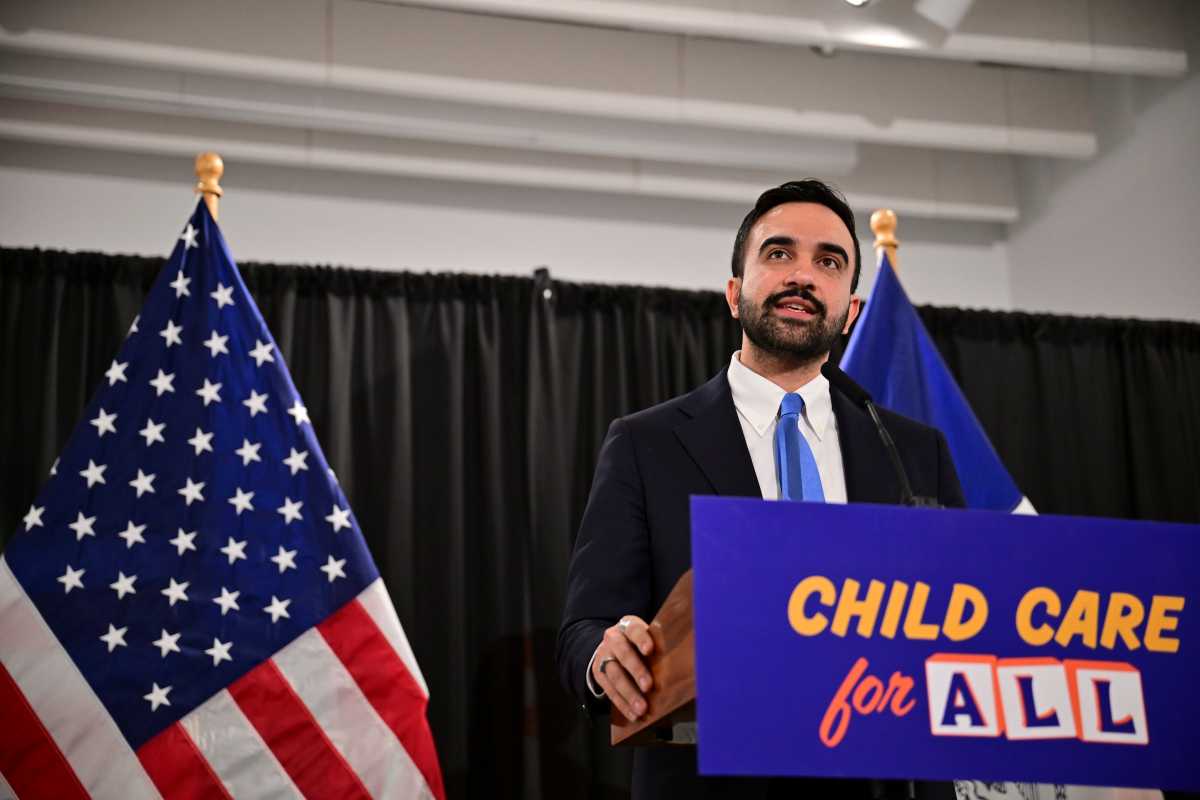
She also vowed to fight for legislation such as New York for All, which would prohibit state and local law enforcement from collaborating with federal immigration authorities, and described universal childcare as her day-one legislative priority if she is elected to office.
QNS spoke to Moreno about a range of campaign issues in a conversation last week. The interview has been edited for length and clarity.
There are three candidates running for this special election and on the surface, they are ideologically similar in a number of policy areas. How do you differentiate yourself?
I would say that there are a few important distinctions that I think help us stand out as the campaign that has the mantle to carry on the movement that Zohran Mamdani started. We all maybe identify on the left of the political spectrum – we are all DSA members – but I have been a movement leader coming from the same political home that brought Mayor Mamdani into not just the City Hall, but to the Assembly earlier on.
I haven’t just been been a member of New York City DSA, but I’ve been a leader within the organization, serving as the co-chair of our Queens chapter for two years and serving in citywide leadership, which also had me deeply involved in our electoral project, starting in 2019… and I will also say that I stand out because of my labor background. I’m a labor organizer. I am a former Union staffer… I think that is a powerful thing to bring to Albany.
This race, along with others in Western Queens, pits a DSA candidate against a traditional progressive candidate. What do you think these races mean for the future of the DSA and the future of the Democratic Party in Queens?
I think that the way that I would frame it is that it’s an organized movement building candidacies versus individual progressive candidates. I am not running as an individual. I am running as part of a movement, and it is that kind of organized coalition of a multiracial working-class base that brought Mayor Mamdani into City Hall. There was no other way that we could have defeated the organized money that was behind Andrew Cuomo and the power of a political dynasty.
That is the claim of myself and other DSA candidates that are running as part of a movement to continue building on that coalition. We are deeply understanding of the current political crisis, which is not only a crisis of affordability, in which New Yorkers are struggling to afford basic necessities. It’s also a deep crisis of democracy in which we have a rising authoritarian federal government that is targeting states like New York, that is targeting our immigrant neighbors, that is targeting our trans neighbors, that is targeting our labor unions.
One of your chief policies on your campaign website is to stand up to ICE. Recently, you had President Trump threatening to cut off federal funds for sanctuary cities. How do you plan to help New York stand up to federal authorities?
We need the leadership of our state government to step up and to stop wavering when it comes to the necessity for increased revenue to fight back against the egregious federal cuts that are again politically motivated. And we have to Tax the Rich, we have to increase revenue by taxing the people that have benefited the most from the system, which is the wealthiest New Yorkers and wealthy corporations to pay their fair share, so that New Yorkers working New Yorkers are not seeing an impact from the cuts that Trump is shoving down our throat. We’re already seeing the impacts of those cuts. In my district, in Ravenswood, which is a public housing complex, there was a food pantry that served a largely elderly community that closed because of federal budget cuts.
So we have to step up in terms of being bold in creating a just budget that will bring in revenue from taxing the wealthiest New Yorkers and of course, we have to champion legislation to protect New Yorkers, which would mean passing New York for All to end law enforcement collaboration with ICE and passing the MELT Act to unmask these rogue, violent abusers of our human rights and hold them accountable, when necessary, to the fullest extent of the law. We also have to organize in our communities, because this is, unfortunately, going to take all of us.
On the taxing the rich policies, the Mayor ran on a tax the rich platform. Do you think his victory provides a mandate for the state to enact some of those reforms? And how important is it that there is a larger cohort of DSA elected in the state legislature?
I do think that the mayor’s victory is a mandate, because the coalition that he built and the way that he reshaped the electorate is showing us that New Yorkers are hungry for a new kind of politics that actually centers the need of working people, and the elected officials that eventually endorse Zohran were committing to the campaign that he ran on. So we have to hold them accountable to supporting that agenda, and that is why, when I get to Albany, I’ll make sure that I’m organizing my colleagues to support Zohran, so that he can deliver on that agenda.
That is what it means to run as a movement candidate. As a DSA candidate, I will be an unwavering ally to Mayor Mamdani, because that’s what he needs in order to be successful. We are part of a movement and an organization that is building power towards the achievement of those values, and we are unwavering in our in our allyship to make sure that he’s able to achieve that. Because his success is the success of our movement.
Going back to New York for all, (fellow DSA candidate) David Orkin described New York for all as not the end point of immigration reform, but the start point. Do you share that belief?
100% I agree that it is a starting point. We are saying the most basic thing – that law enforcement committed to enforcing the law should not engage or collaborate with people that are clearly breaking the law. These are really basic, I would say, low-effort, common-sense reforms that we must enact at the state level, but we absolutely must go further.
The MELT Act is really important, so is increasing funding for representation. So passing representation for all which increases our immigrants chances to have positive outcomes in their immigration hearings, and that should be funded and provided by the state 100% but we have to explore ways, both legislative and non-legislative, to push back against what is a crisis of democracy and rising authoritarianism and fascism at the federal government.
On housing what do you see the state’s role in, you know, keeping New Yorkers in their homes? And how do you go about doing it?
There are many different ways to provide some relief in the immediate but also provide long-term housing opportunities for working-class people. First of all, this district, Assembly District 36, is 84% renters. 84% of our residents, including myself, are tenants, which means that tenant protections and ensuring that our constituents understand the existing tenant protections, know how to navigate that system, have resources to navigate housing court if necessary. That’s really important.
So that’s where an assembly office can step in to do education, to do town halls, to provide legal assistance for tenants, and we also can explore legislatively how do we strengthen those tenant protections, to protect tenants against bad landlords? Of course, I also deeply support the rent freeze on rent-stabilized apartments, and I hope that Mayor Mamdani is on a path to deliver on that promise, because we do have a lot of rent-stabilized apartments in Astoria and Long Island City.
There is also a small but mighty cohort of co-ops in our district that has served as a permanent and relatively affordable housing for middle-income families, many of whom work in the public sector. We have to look at ways to protect those co-op owners so that they can stay in their homes, because right now, many of them are facing a deeply unfair property tax that charges them more than people in wealthy neighborhoods.
Of course, in the developing and building of new housing, we have to ensure that that housing is deeply affordable and built well with union labor… the state must step in to ensure that the housing that is being developed is deeply affordable, because I believe housing is a human right, and I believe that the state has a long term role in ensuring that people are housed.
On education, standards appear to have slipped if you were to look at test scores over the last few years, how do you view the role the state’s role in improving education standards in the city and in the state?
Improving education standards also means improving working conditions and the under-recruitment and retention of educators. So I do think that it’s deeply important for us to work with our educators, paraprofessionals, public school advocates and parents to ensure that we are creating a system that is fair for educators, and that is keeping them in the profession, because the so-called educator shortage is a shortage of people that are willing to work in conditions that are not sustainable… Because the labor conditions of our educators are the learning conditions of our students.
We have to ensure that our public schools are fully funded. We have to ensure that we are funding not just, you know, our public schools, but our special education schools. We have students that have specific needs that shouldn’t have to commute an hour and a half each way to attend the school that meets those needs.
Assuming you are elected, what is your Day One legislative priority for the district and for New York state?
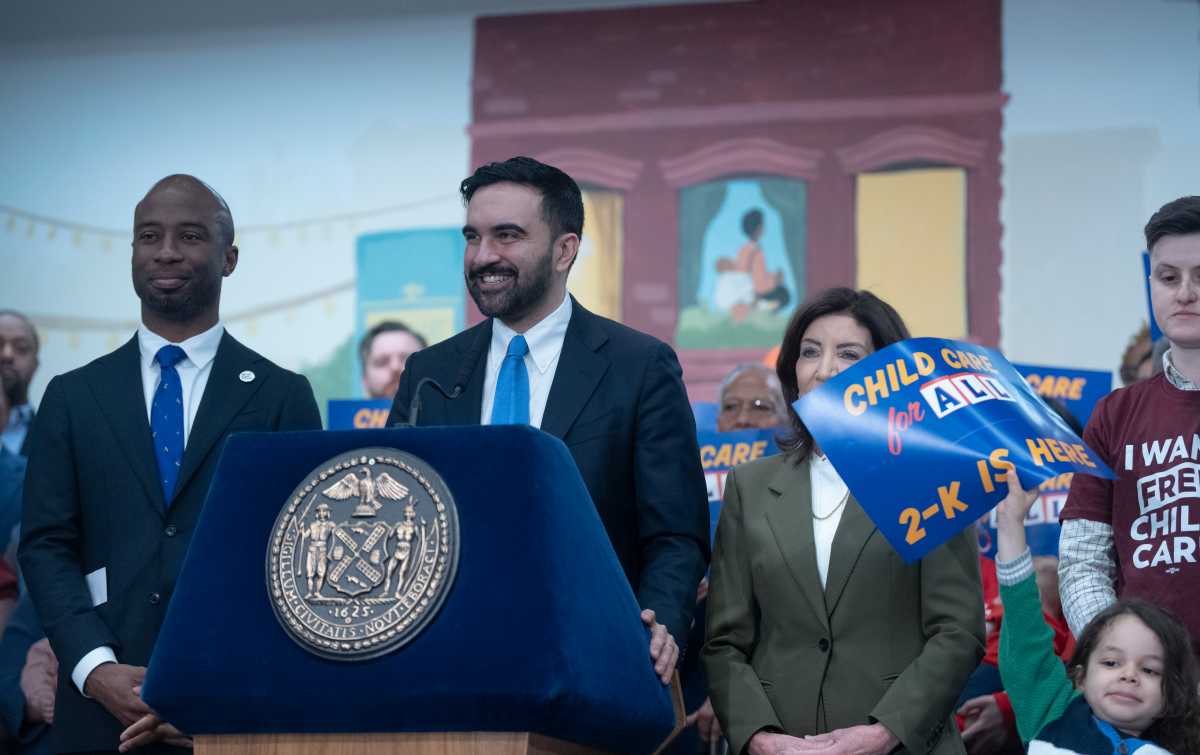
My day one legislative priority is passing universal childcare at the state level, because this is the year, and we have to seize on the political moment and the stated support of our governor in ensuring that childcare is universal. This is deeply personal to me as someone who has a 16-month-old and as someone who essentially pays a second rent in the cost of childcare. It’s also something that I have witnessed be a real obstacle for working families to be able to stay in New York City.
This is part of an ongoing Q&A series with candidates running in the Assembly District 36 special election.