The 109th Precinct, comprising northeast Queens, is one of the largest and most geographically complex precincts in New York City. It serves a population that numbers in the hundreds of thousands and continues to grow as major developments move forward and throughout surrounding neighborhoods. These projects will bring tens of thousands of new residents, employees and daily visitors into an area already stretched thin. That pressure will only intensify as proposed casino developments in Queens and nearby areas generate additional traffic and activity throughout the region.
For years, Queens Community Board 7 has raised consistent and well-founded concerns about what this growth means for public safety. Those concerns have been echoed by residents and local leaders who see firsthand how the size and scope of the 109th Precinct affect response times, staffing demands and overall neighborhood confidence.
In response to the community’s concerns, the New York City Police Department soon established a satellite office at the Police Academy within the 109th Precinct, which was a welcome step. But it is, at best, an interim measure. A satellite office does not replace the need for a fully resourced additional precinct with dedicated staffing, leadership and facilities capable of meeting both current and future demands.
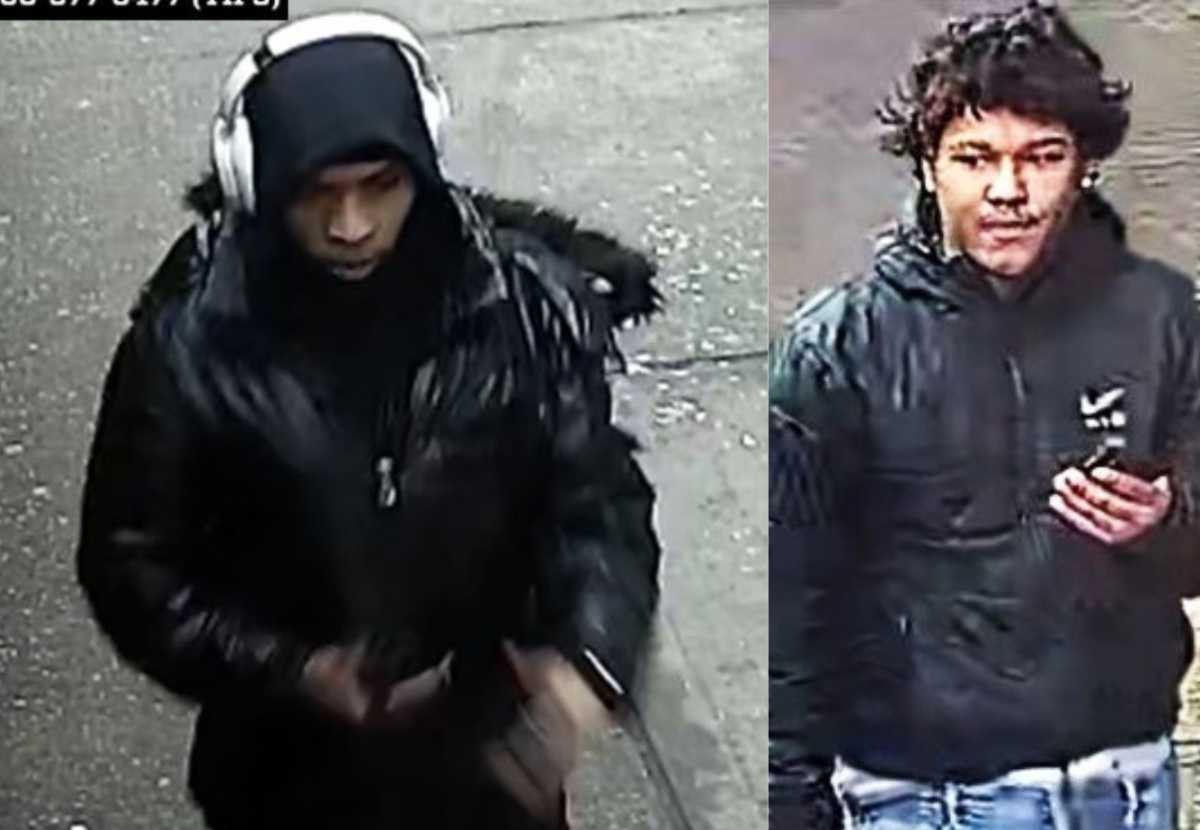
Recent events in Malba made this reality impossible to ignore. A violent car meet-up that spiraled out of control, resulting in multiple people being brutally attacked, highlighted the strain placed on existing resources and the real consequences of treating policing capacity as something that can be addressed later. Public safety cannot be conditional. It must be proactive.
This is why I have continued to advance legislation to formally address the structural challenges of the 109th Precinct. My Senate Bill S.2276 would amend the City’s Administrative Code to divide the precinct into two—one serving the northern communities of College Point, Whitestone, Clearview and Bay Terrace, and another serving Flushing South. This proposal is grounded in long-standing data on population, geography and service demand. It reflects a simple reality: a precinct that is difficult to manage effectively cannot deliver the level of safety New Yorkers deserve.
Importantly, Community Board 7’s approval of Willets Point Phase II was explicitly conditioned on the need for additional policing capacity. That condition reflected a clear and reasonable expectation—that as we approve major residential and commercial growth, we must also invest in the infrastructure that keeps communities safe.
New York City has shown that it can plan thoughtfully for growth. Now it must apply that same foresight to public safety in northeast Queens. The question is not whether additional policing capacity will be needed, but whether we will act before or after communities feel the consequences of it.
Our neighborhoods deserve planning that matches reality, infrastructure that matches growth and public safety resources that are built for the future.
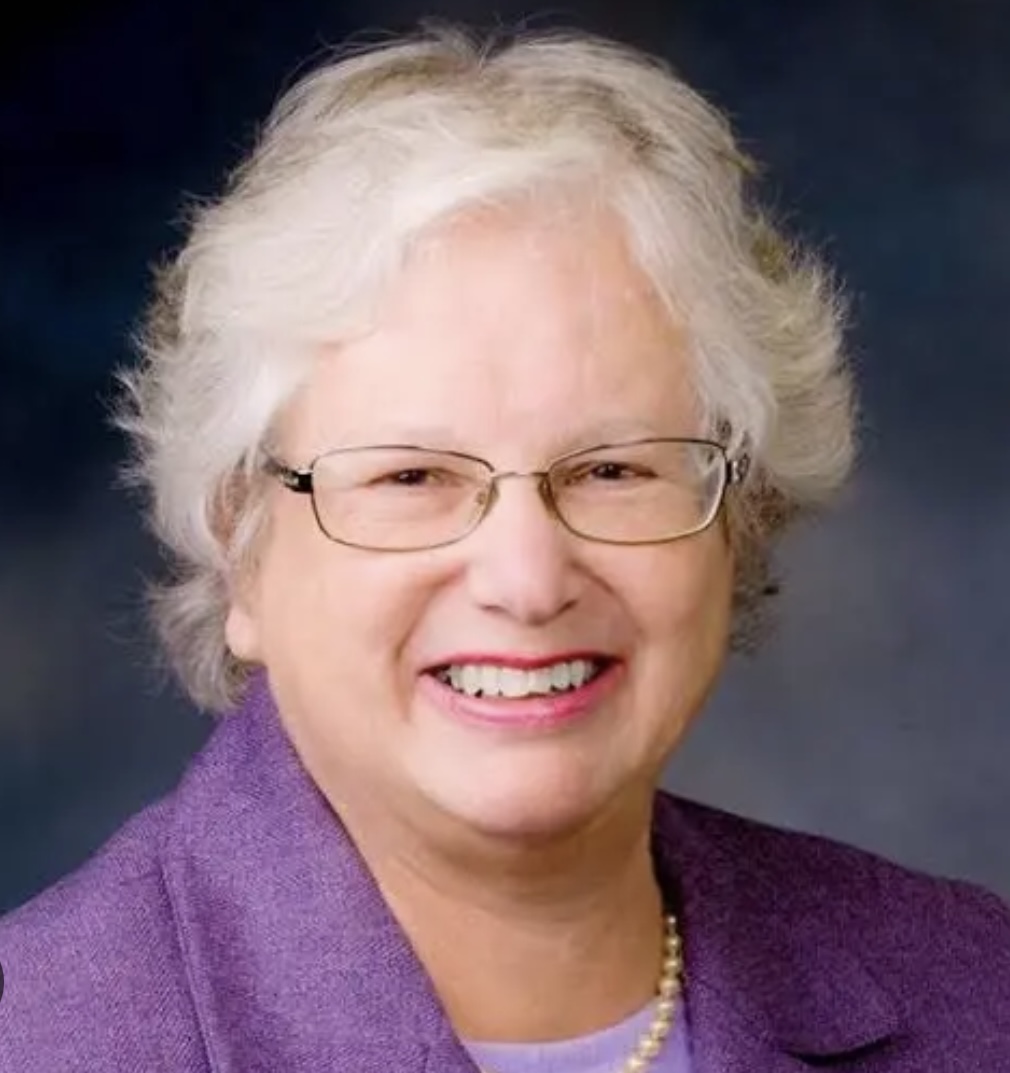
State Senator Toby Ann Stavisky represents New York’s 11th Senate District.