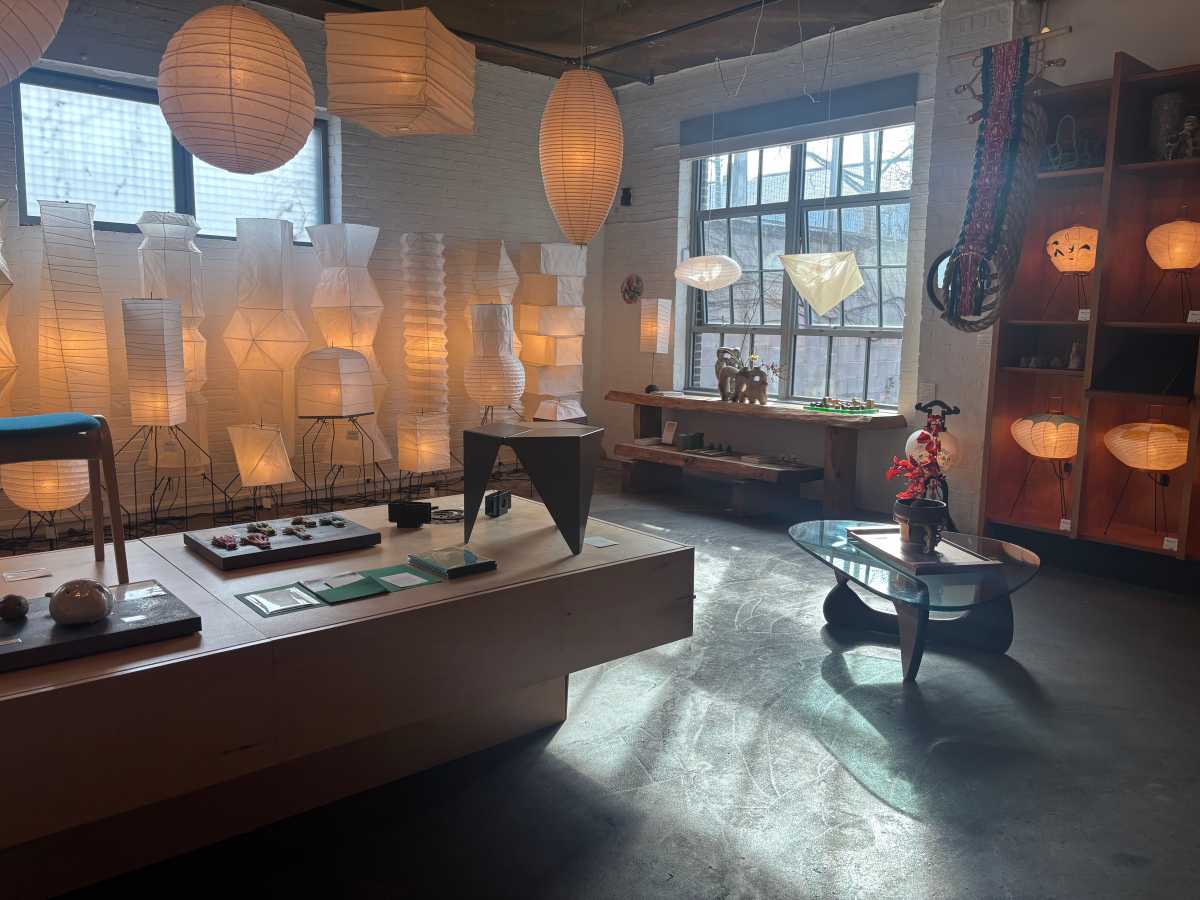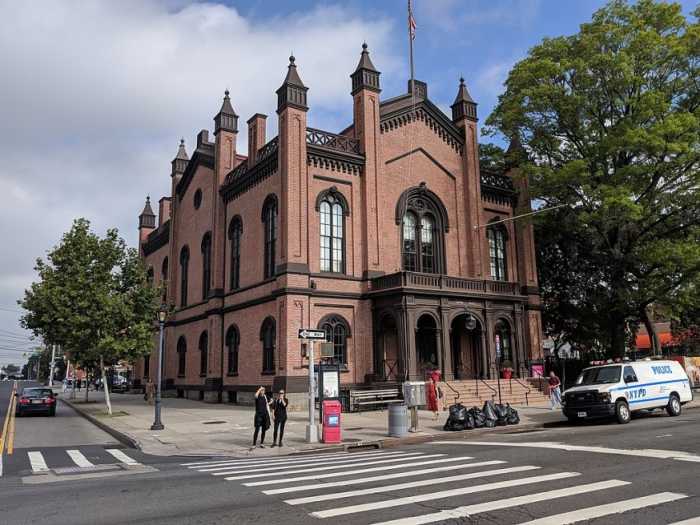

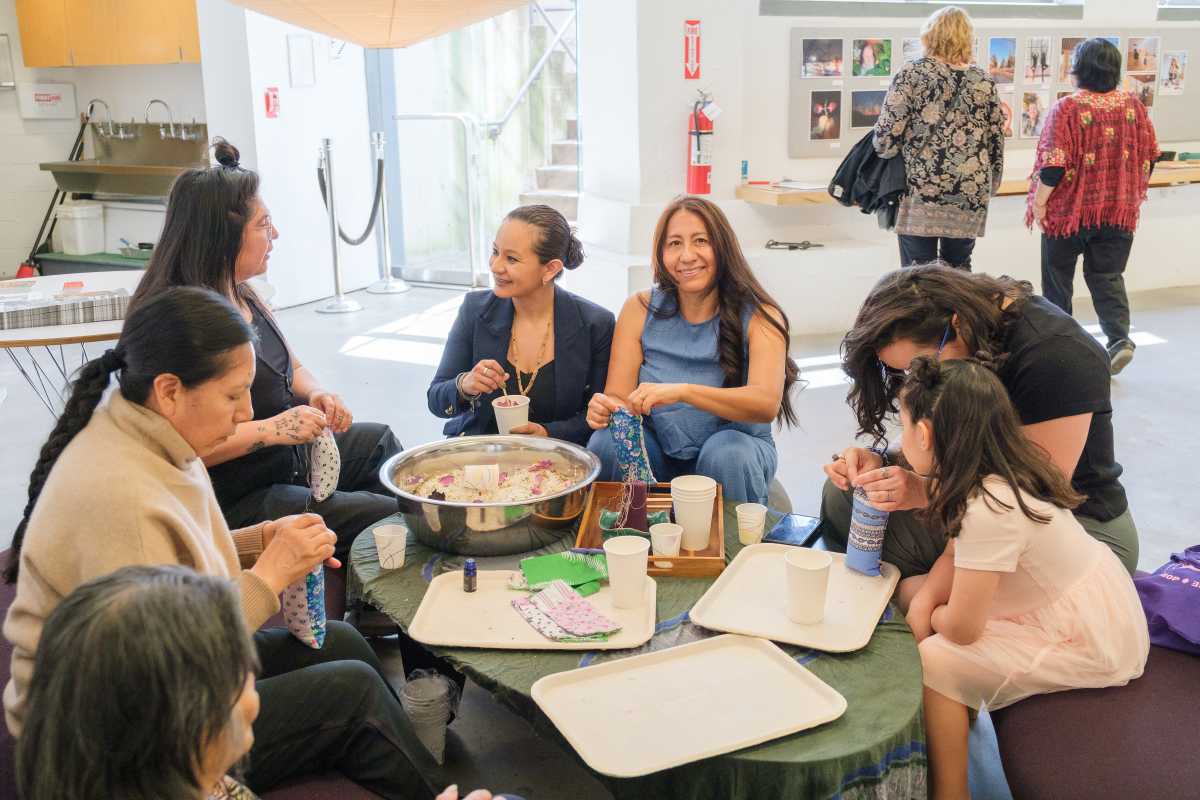
The Noguchi Museum, located on 33rd Road in Long Island City, is collaborating with Project Luz, founded by artist Sol Aramendi, to provide free photography lessons for Spanish-speakers throughout the winter season.
The classes, taught by Aramendi over the course of eight weeks, began on Jan. 18 and will continue every Sunday through March 8.
According to Aramendi, an Argentinian immigrant who moved to Queens 22 years ago, the classes are aimed at welcoming Spanish-speaking immigrants from the nearby community and across the city to the museum.
“Part of my mission is to create spaces for the Latino community in cultural and art spaces,” she explained.
Aramendi said her interest in art began when she was young, recounting the numerous times she visited museums during her childhood. She described it as an important part of her life.
The artist began exploring photography and film over 30 years ago, eventually bringing her skills as an educator to the Queens Museum at Flushing Meadows Corona Park shortly after immigrating to the borough.
Since then, Aramendi has conducted museum tours in Spanish and worked as an educator at the Solomon R. Guggenheim Museum, El Museo del Barrio, and the Queens and New York public libraries.
Aramendi’s background allows her to create welcoming spaces for immigrants to express themselves and their personal experiences as New Yorkers, she continued. She said she sees her classes as an exercise in empowerment.
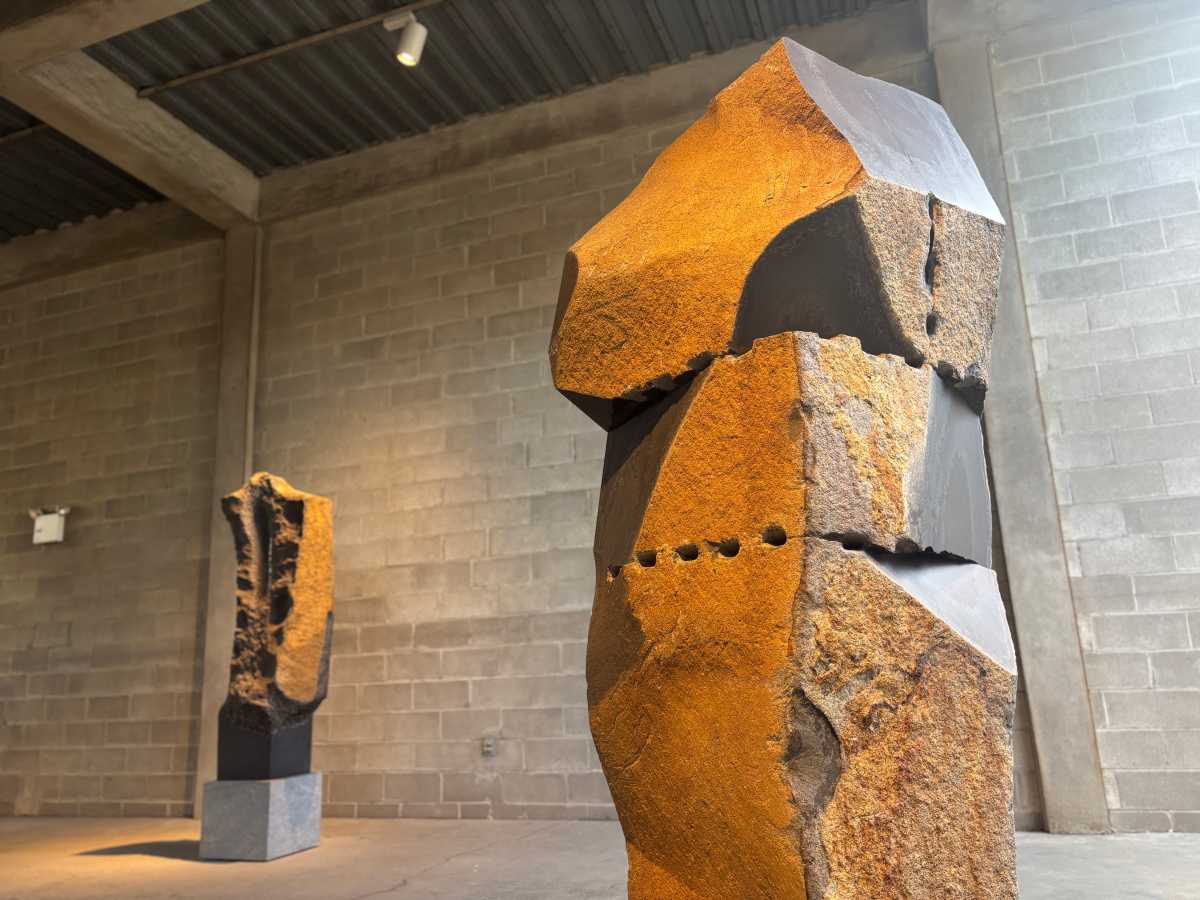
Queena Ko, the museum’s education director, said she feels Project Luz’s mission aligns closely with the experience of artist Isamu Noguchi, who founded the museum in 1986.
Noguchi, born in 1904, was of Japanese-American descent and experienced first-hand the inherent racism that pervaded American culture, particularly during World War II.
According to his biography on the museum’s website, he co-founded Nisei Writers and Artists Mobilization for Democracy in 1942, just after the Japanese attack on Pearl Harbor.
While the group was intended to raise awareness of Japanese-American patriotism, the biography said, Noguchi voluntarily entered the Colorado River Relocation Center concentration camp in Arizona where he remained for six months.
Rejected by Americans for being “too Japanese” and in Japan for being “too American,” Ko explained, Noguchi’s work often reflected his own experiences as a biracial man.
“There’s a sort of interesting duality throughout his life story,” Ko said. “I think his story of not belonging and feeling like art was a vehicle for connection rather than division is a message that speaks to everyone across the board.”
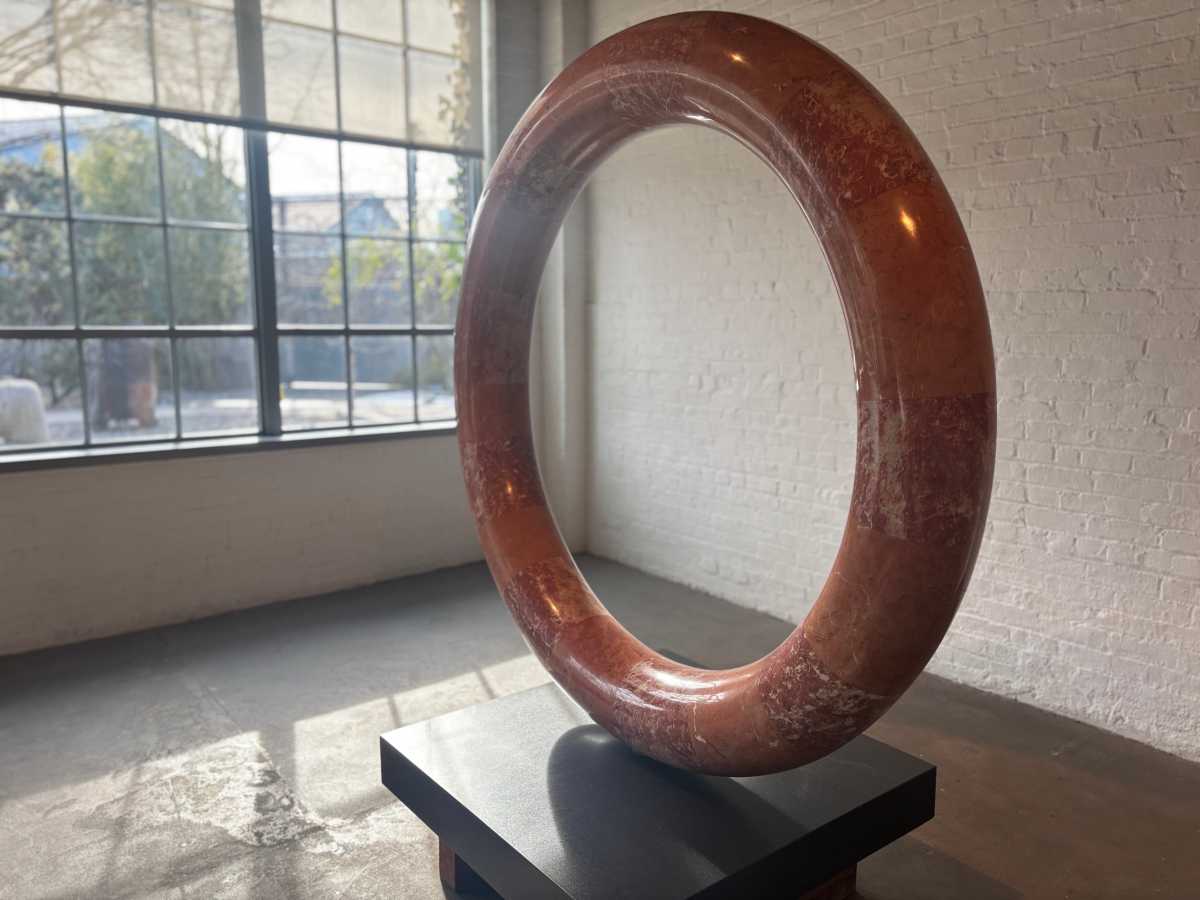
Noguchi initially opened the museum to be a resource to the community, Ko continued, which is precisely what Project Luz is meant to be for the immigrant community.
Ko said while some communities may feel unwelcome in museum spaces — whether due to fees or constant presence of security — providing free admission and free classes help expand access for communities that might not otherwise explore those spaces.
“I don’t think museums are the most welcoming places to everybody all the time,” she said. “So Project Luz, their focus is on photography and using the camera as a tool of empowerment for immigrants to feel safe, explore, and really document how they feel about New York City as their home.”
Ko said there are also field trips scheduled for class participants, including a visit to one of Noguchi’s sculptures — Red Cube — which was erected near Wall Street in Manhattan in 1968.
The following week, she continued, participants will be taking portraits next to art pieces displayed in the museum gallery, encouraging them to make personal connections with some of Noguchi’s work.
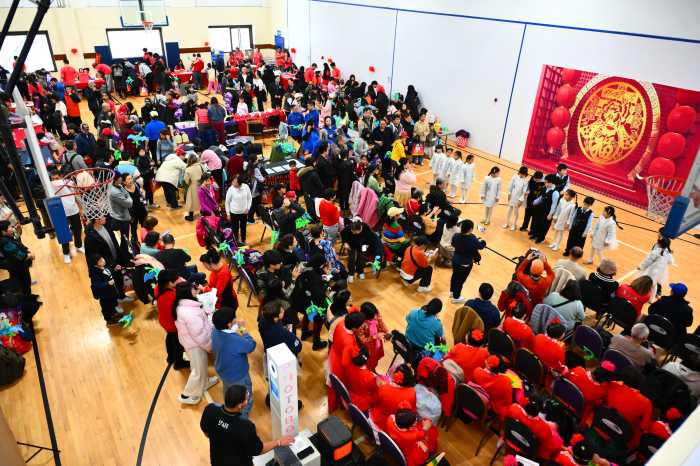
Participants don’t need a professional camera, Ko added. They often take photos directly on their phones, which are then printed and curated for an exhibit and celebration at the end of the eight-week class.
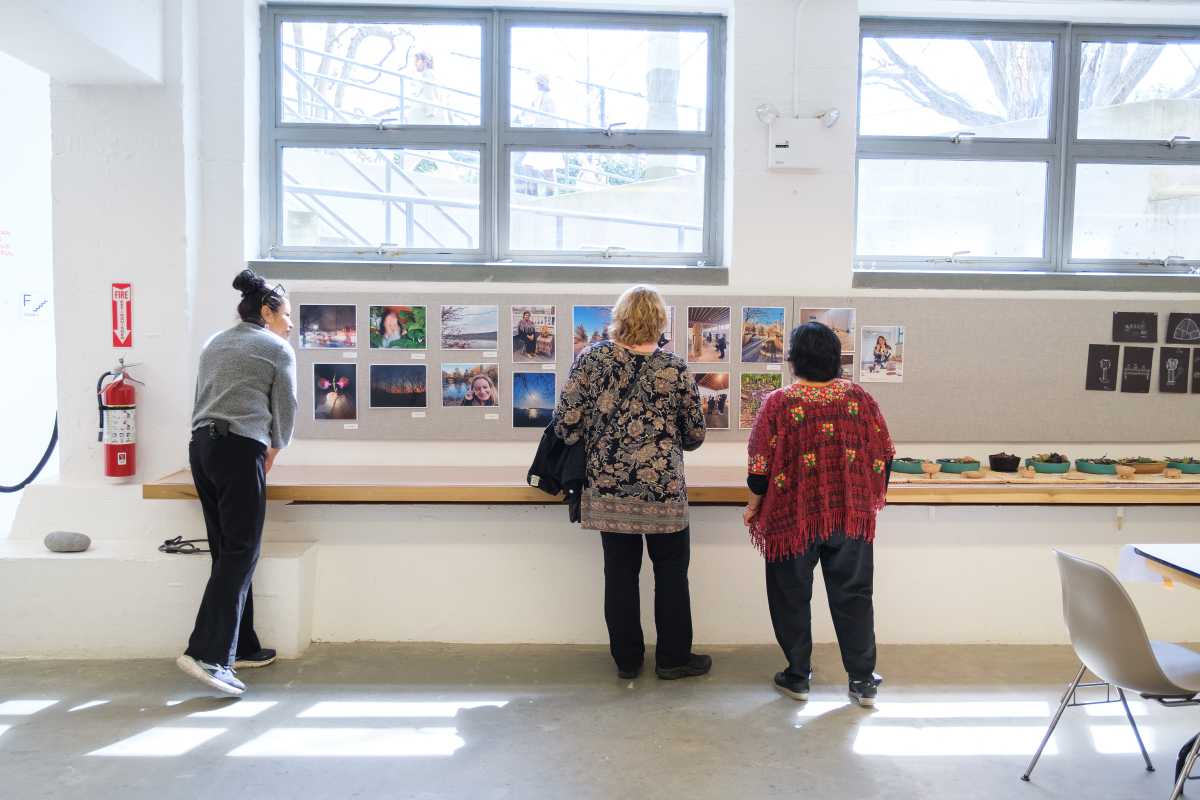
Ko said visitors to the museum don’t have to be well-versed in art in order to appreciate Noguchi’s work, and there are no right or wrong answers when it comes to viewers’ interpretation of his work. Instead, she said the meaning of Noguchi’s artwork unfolds the more people spend time with it.
“The meaning is developed in conversation with your own experience,” she said. “Sculpture is something that’s meant to be viewed year-round, in different seasons, in different times of the day. It grows with you. I think that’s a really powerful message that transcends cultures and languages.”
Aramendi said she wants the Latino community to know that they are always welcome to her class, and participants can feel free to share their experiences with others who understand what they feel.
“They find their own power in self-expression,” Aramendi said. “I think these are important spaces that we as artists take care of and nurture. We want to grow in that space and have more accessibility in the museum.”
Plan a visit
Admission to the museum is free the first Friday of every month, and it hosts a variety of free programming that can be found on the museum’s calendar on its website. Anyone interested in finding out more about special events, as well as tours conducted in Spanish or Japanese, can visit Noguchi.org, or email Education@Noguchi.org.
A second-floor exhibit entitled “Noguchi’s New York” will also open Feb. 4 in honor of the museum’s 40th anniversary, and will be open to the public through Sept. 13.