Severe winter storms can create dangerous conditions, particularly for older adults and individuals with underlying health conditions. Taking a few proactive steps can significantly reduce your risk of injury or illness during extreme cold and snowfall.
There are many efforts one can make to ensure safety and comfort before, during and after a snowstorm.
As you prepare for the storm, keep the following safety tips from Dr. Teddy Lee, Chair of the Emergency Department at Episcopal Health Services, in mind:
Stay Indoors When Possible
Avoid unnecessary travel and remain indoors during severe weather. Snow- and ice-covered roads and sidewalks significantly increase the risk of falls and motor vehicle accidents.
Avoid Shoveling Snow
Snow shoveling is a common cause of cardiac events and serious injuries. If possible, hire someone to clear snow for you. This is especially important if you have a history of heart disease or other cardiovascular conditions.
Protect Yourself from Frostbite
Dress in warm layers when outdoors, covering exposed skin. If fingers or toes become numb or very cold, move indoors immediately. Remove wet or cold clothing and gently warm affected areas using lukewarm water—never hot water. Prompt warming can help prevent serious injury.
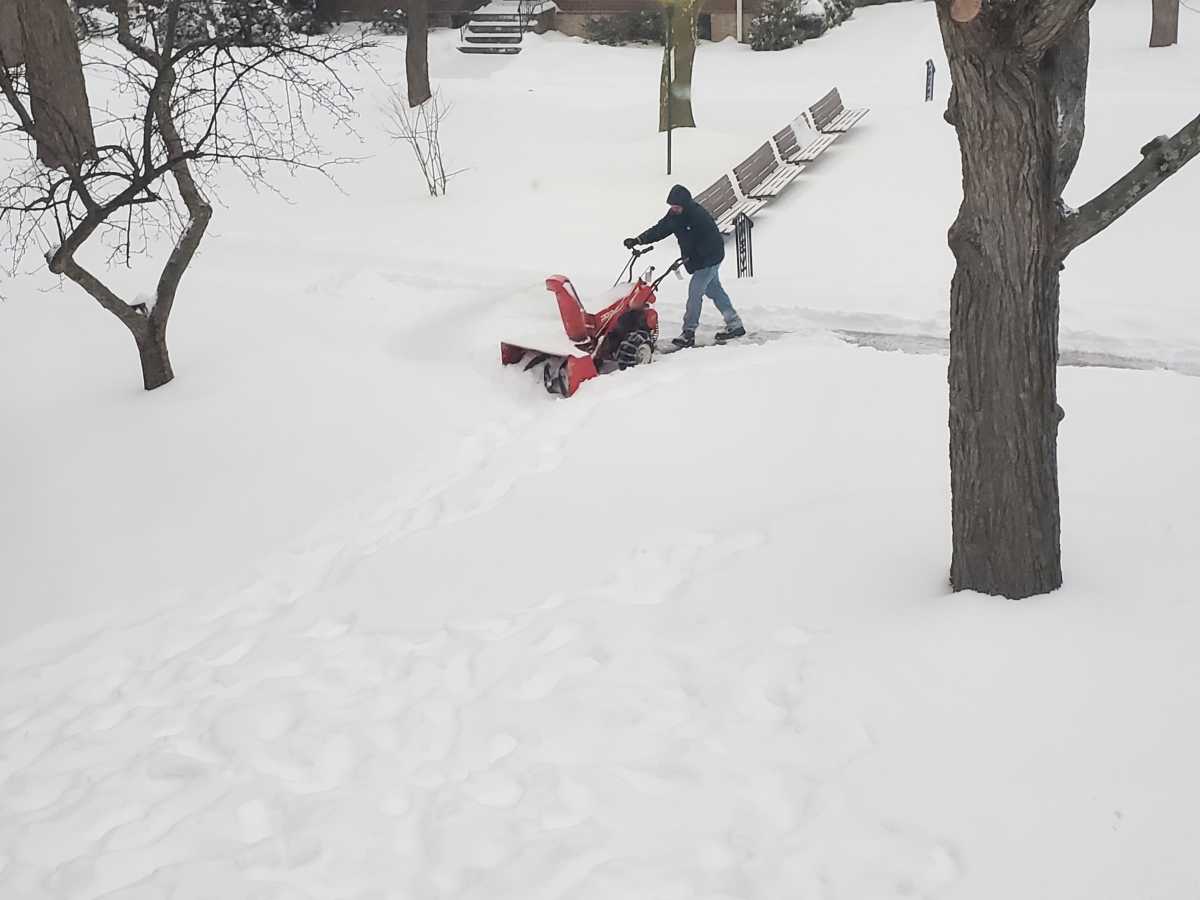
Use Snowblowers Safely
Never place your hands near a snowblower while it is running or clogged. Always turn the machine off completely before attempting to clear snow or debris to avoid severe hand injuries.
Manage Anxiety and Breathing
Winter storms can increase stress and anxiety. If you begin to feel anxious or short of breath, pause, sit down, and take slow, deep breaths. Controlled breathing can help restore calm and prevent hyperventilation.
Do Not Be Alone
If you are elderly or medically vulnerable, ensure a family member, neighbor, or friend is aware of your situation and can check in on you during the storm.
Prepare Essential Supplies
Stock up on food staples and medications ahead of time. Keep flashlights and extra batteries easily accessible in case of a power outage.
Plan for Power Outages
Have a trusted friend or family member available if electricity is lost. Make sure essential medical devices—such as pacemakers, hearing aids, or other battery-powered equipment—are fully charged before the storm begins.
Prevent Slips and Falls
Avoid walking on unpaved or icy surfaces. Falls on snow and ice frequently result in broken wrists, ankles, and hip fractures, particularly among older adults.
When Emergency Care Is Needed
If you or a loved one require emergency medical attention during the storm, the Emergency Department at St. John’s Episcopal Hospital, part of EHS, remains open and ready to care for you. Our Emergency Department has recently undergone a major renovation, creating a state-of-the-art, calm, and welcoming environment designed to support both patient safety and comfort during urgent situations.
Your health and well-being are our priority. Taking these precautions can help you stay safe throughout the storm and beyond.