Artists from Queens and across New York City are struggling to sustain their livelihoods amid the growing affordability crisis, grappling with rising costs that are forcing them to leave and take their crafts with them.
According to a January 2026 report by Center for an Urban Future, the artist population in NYC has fallen 4.4% since 2019.
Artists and policymakers said this decline should concern any New Yorker because not only does art drive the city’s economy, but it provides a collective expression for cultures and communities in an increasingly hostile sociopolitical landscape.
“The arts give New York City its identity in the world,” said Eli Dvorkin, co-author of the Urban Future report. “It’s the ultimate emblem of what it means globally. People from all over the world know about New York before they’ve ever been here because of its appearance in films, TV, music and literature. It has an incalculable economic impact for us.”
The scope of the affordability problem
The Urban Future report said that while the Upper West Side and Lower East Side in Manhattan artist populations plunged in the past decade by 32% and 55%, respectively, more affordable cities and areas are seeing an increase in artist populations, such as the Hudson Valley and Nashville, TN.
Dancers have seen the sharpest decline across all art mediums since 2019 at 18.8%, followed by an 8% decrease in actors and a 2.8% decrease in musicians.
A December 2025 Creative New York report, an Urban Future report published every 10 years, noted that while the creative sector remains one of New York City’s greatest economic engines and competitive advantages, creative workers in New York now earn about 23% less than the national average after adjusting for the city’s high cost of living.
According to the organization’s statistics, that means earnings are down from 15% compared to a decade ago, while housing and studio rents continue to climb.
The biggest takeaway Dvorkin said Urban Future researchers took from their December 2025 report was that the affordability crisis is hitting artists and creative workers especially hard right now because the sector never rebounded from the Covid-19 pandemic.
He said complications stemming from the pandemic include lost employment opportunities, growing gaps between expenses and income, and a loss of audiences for an extended period of time.
“Frankly, we’re both surprised and alarmed by the depths of losses,” Dvorkin said. “Six years after the pandemic, we’re still seeing these big challenges. While the pandemic is in the rear-view mirror, the affordability crisis has only grown.”
While the report said the United States has built over 4,000 affordable housing units for artists since 2015 — 464 of which were built in NY — none of them have been in NYC.
An artist’s point of view
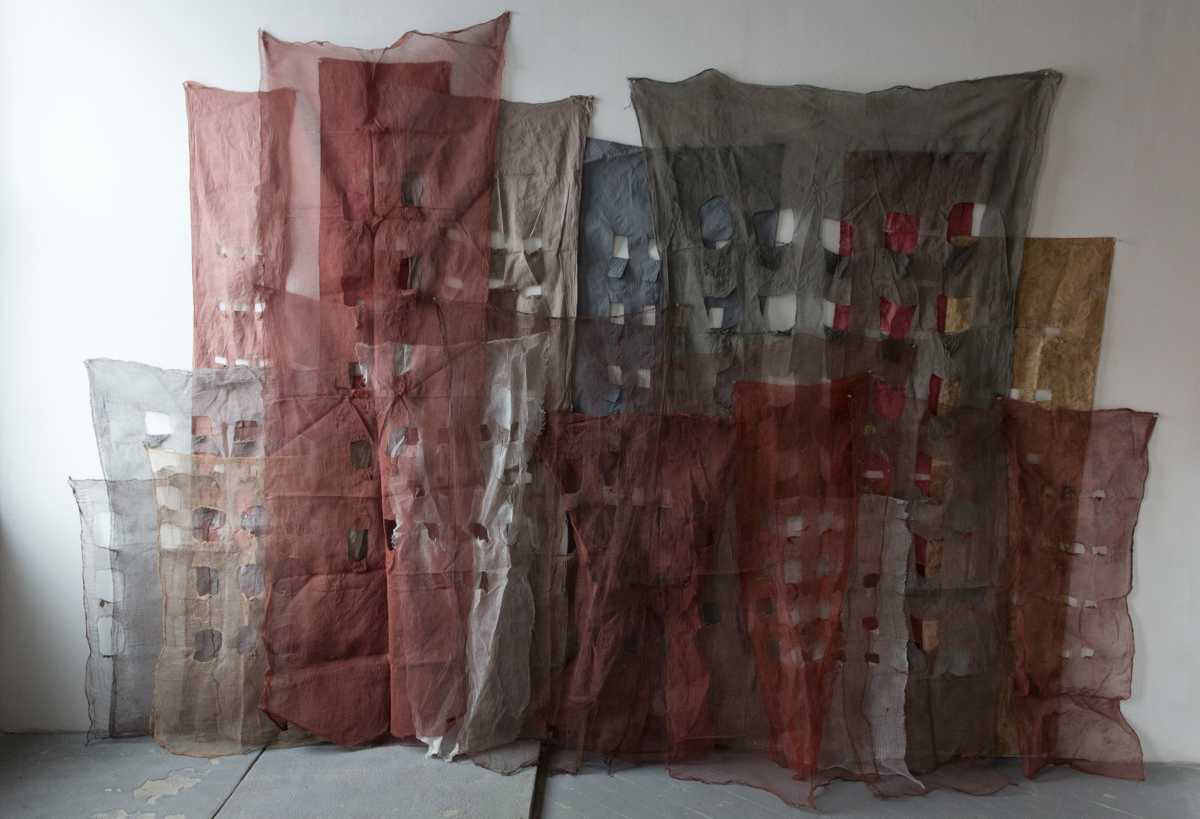
Priscilla Stadler, an artist living and working in Queens, was priced out of several workspaces in Long Island City over the course of 14 years, eventually being forced to work out of her home in Jackson Heights in 2021 due to economic pressures caused by the pandemic and lack of effective recovery.
“It’s a community in crisis,” she said. “We’ve been eroded of artists and art organizations that are trying to hang on and stay in the neighborhood.”
She said many artists like herself have been displaced after rent costs skyrocketed in the past 15 years.
In the midst of lockdowns and disrupted flows of income for artists, Stadler said the workspace she operated out of raised everyone’s rent.
“This was at a time when landlords were like, ‘It’s okay, we understand, and we’ll give you a break,’” she said. “But nope, not our building.”
Stadler said working from home wasn’t feasible, however, because she works with a variety of mediums, including sculptures and large installations. “I need space to make a mess,” she said, laughing.
Artists like her need large spaces to allow long pieces of fabric to dry, for example, or large tubs for water-based pieces.
She eventually began renting space at AlterWork Studios, which she praised for its reasonable rates and communal studio space, but she said it still isn’t quite suitable for her needs, as she still needs to rent storage space.
The false promise of affordability
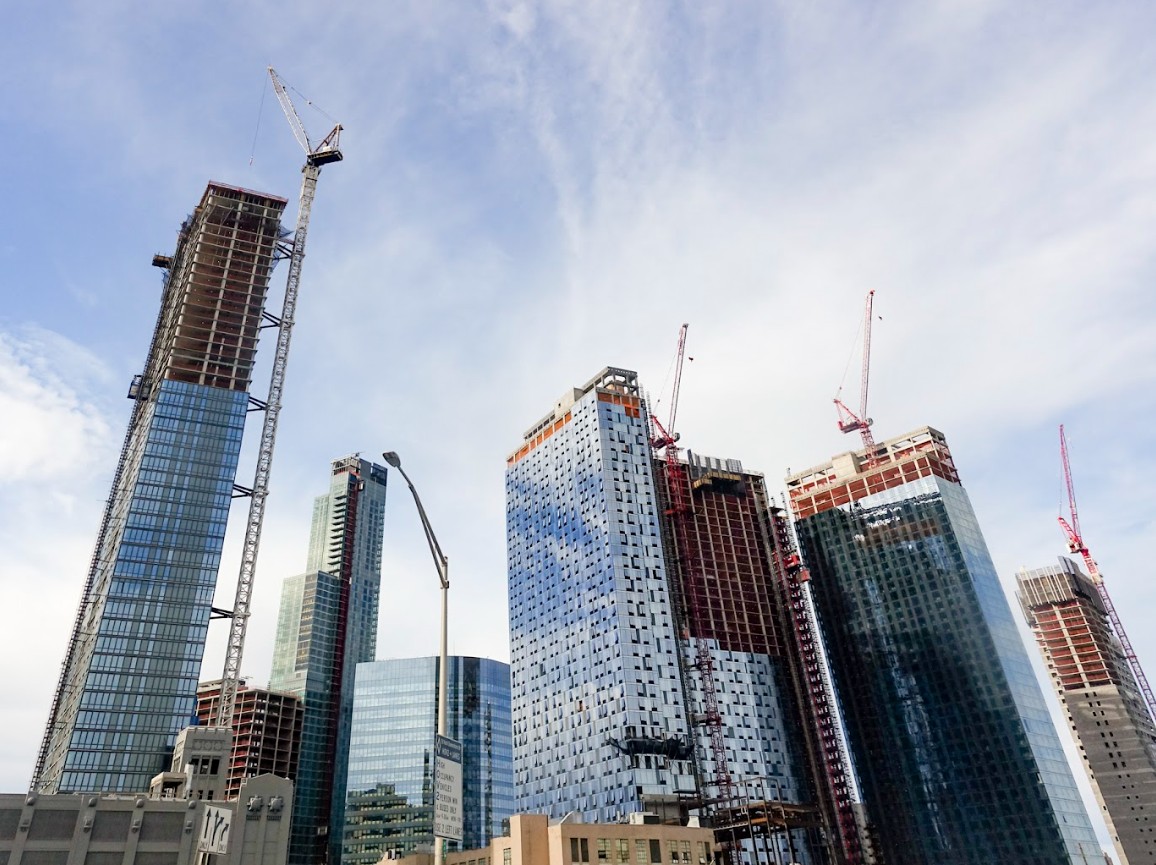
While many developments labeled as “affordable” have popped up throughout the city, Stadler said she thinks this label is misleading.
“It’s not realistic for a lot of people,” she said. “Developers claim they’re putting in a percentage of affordable housing, but when you look at the numbers, it’s pretty shocking what supposedly qualifies as ‘affordable.’”
She said developers are concerned about generating profits more than benefitting the community, resulting in opportunities that do not improve conditions for artists and other low-income workers.
Stadler has recently joined other artists and activists to advocate for equitable real estate development that helps marginalized communities afford rent and prevents struggling mom-and-pop shops from closing.
“New York is known for its rich cultural environment,” she said. “But, it’s being decimated by the real estate industry.”
And, she stressed, it’s not just artists that are struggling — it’s the entire NYC community.
That’s why, she continued, it’s important for more realistically affordable housing to be built in Queens and the rest of the city.
A vulnerable artist population
Artists are particularly vulnerable to affordability crises, Dvorkin explained, because they tend to be low-income workers and rely on side jobs and gig work to support themselves. He said independent workers in the arts are up 10% since 2019, while the creative arts sector as a whole is down 6%.
This shift from full-time employment to freelance employment has led to more financial precarity with hugely inconsistent swings in income. As a result, artists are losing access to benefits, such as health insurance, unemployment insurance and retirement benefits.
These disparities only grow for artists of color, Dvorkin noted, as they earn 23% less than white artists.
According to an October 2019 report by the Office of the New York City Comptroller, the creative sector generated about $110 billion in 2017, which is $1 out of every $8 of economic activity in the city, or 13%.
However, artists aren’t necessarily benefiting from their financial impact.
After Urban Future collected data from a survey a few years ago, Dvorkin said the team learned that most artists are earning far less than a living wage. When artists can’t even break $50,000 in a city as expensive as New York, he continued, they can’t afford to stay.
Even cultural institutions are feeling the squeeze of the affordability crisis, Dvorkin said. Urban Future reported that since 2019, expenses for these institutions have increased by over 60% while their revenue has only increased by 2%.
Cultural institutions suffer, too
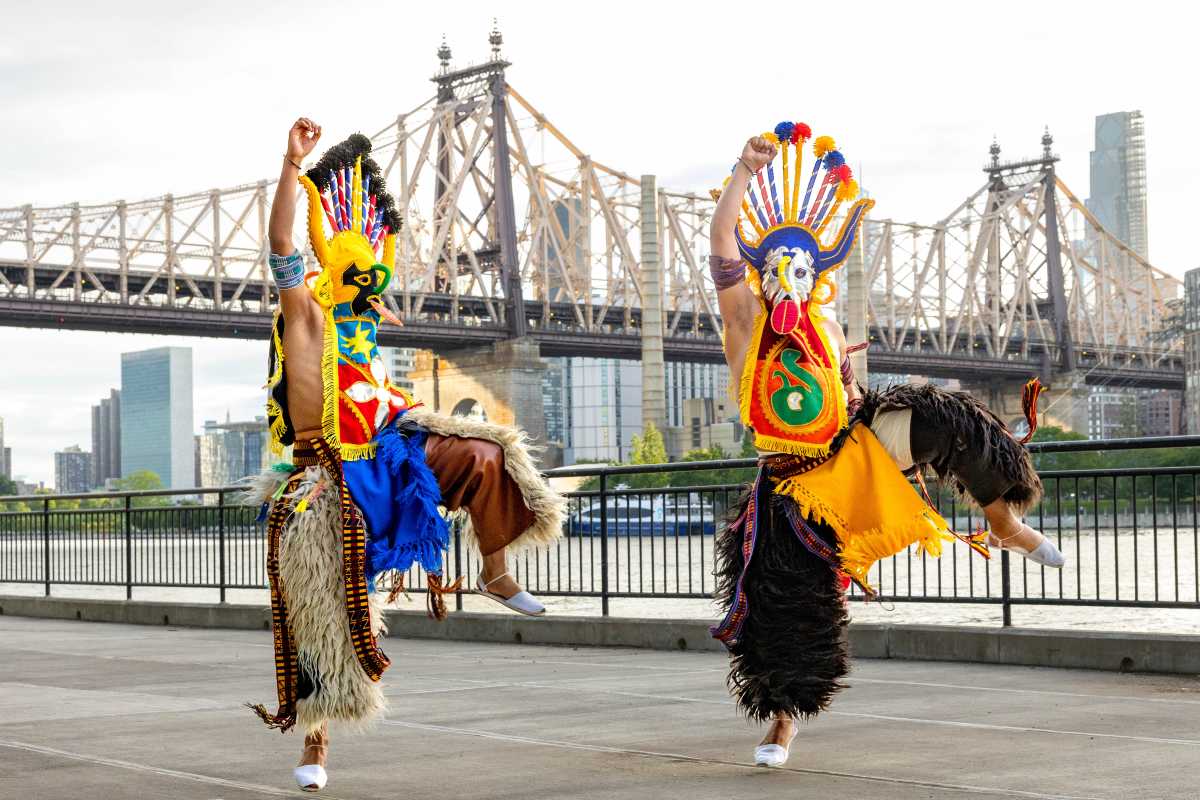
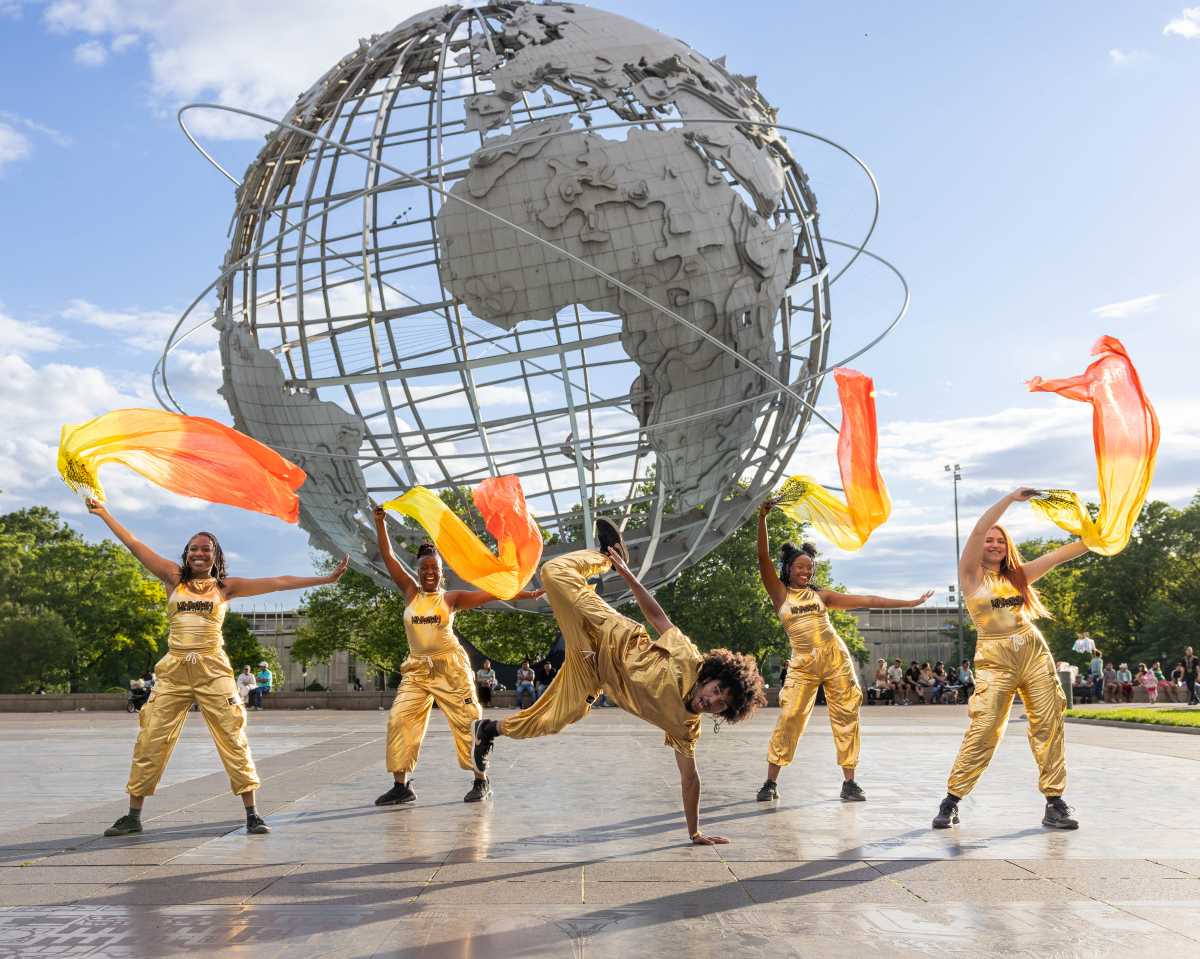
Karesia Batan, founding executive director of the Queensboro Dance Festival, said a lack of infrastructural investment in the borough has put strain on Queens-based institutions. Even Queens-based artists who work in Manhattan are impacted by the lack of affordable space for them to create their pieces.
While many audiences appreciate the arts on a daily basis — whether it be shows, paintings, murals, sculptures or music — she said people often forget that in order to get those products, artists have to create them.
“It feels like the city loves art but hates the artist,” Batan said. “We need to support the process and the people behind the creation of art, especially when the economics are undeniable.”
The Queensboro Dance Festival in particular, she said, provides educational opportunities and professional development workshops for artists to further develop their mission and contributions to the community.
Queens is the biggest and most diverse borough in the world, Batan pointed out, with over half of the artist population being immigrants. The program she helps lead mirrors the demographics of the borough, she said, meaning they serve as a reflection of the community as a whole.
“Art is really how we keep communities strong and vibrant, making sure there’s visibility not only for stories and messages these artists are putting forward, but the artists themselves,” said Batan, a second-generation Filipino immigrant. “There are so many stories to be told here.”
Artist spaces have an intrinsic value to the community, she continued, creating a ripple effect in other community institutions such as schools and civic spaces.
However, she said small institutions like the Queensboro Dance Festival are conditioned to punch above their weight, operating on shoestring budgets. While it does receive grant funding, Batan said it’s not sustainable for its survival.
“Arts and culture is a public service,” Batan said. “We need to be better funded, which I think falls on corporate social responsibility, public sources and private philanthropy.”
A holistic approach to funding is essential, so if one source of funding is slashed, as Batan has been seeing on a federal level, art projects won’t simply die.
Solutions to the affordability crisis

Councilman Erik Bottcher, who represents NYC Council District 3 in Manhattan, has co-sponsored a bill that would amend the administrative code of NYC to allow preference for artists in housing developments without violating human rights law prohibition against discrimination on the basis of occupation.
Bottcher said the NYC Human Rights Law has been one of the biggest obstacles in delivering equitable housing to artists, noting that allowing for artist housing has actually been one of the most valuable ways of supporting the arts ecosystem.
The bill, he said, would still allow for individual developments to decide what that preference looks like, such as the way artists report their income and determine eligibility.
He noted developments such as Westbeth Artists Housing in the West Village and Manhattan Plaza in Hell’s Kitchen have been successes in Manhattan, and he wants to expand these developments throughout the city, including Queens.
“If artists can’t survive in New York City, then we lose a piece of our soul,” he said. “We can’t let that happen.”
Bottcher said there’s been a “severe” scarcity of affordable housing in NYC caused by decades of underproduction relative to demand. While the city is slowly beginning to address the issue, he said it still has a long way to go.
A career in the arts is a lucrative profession, Bottcher explained, but artists often don’t see paychecks that reflect that. Not only does it provide billions of dollars to the local economy, it’s critical to attracting tourists to the city.
Bottcher himself said he’d never forget his first trip to Broadway to see “The King and I.”
“When the curtain went up, that was the magical moment I knew that I was going to live here and nowhere else,” he said. “We’ve got to fight to protect that.”
Taking an active role in change
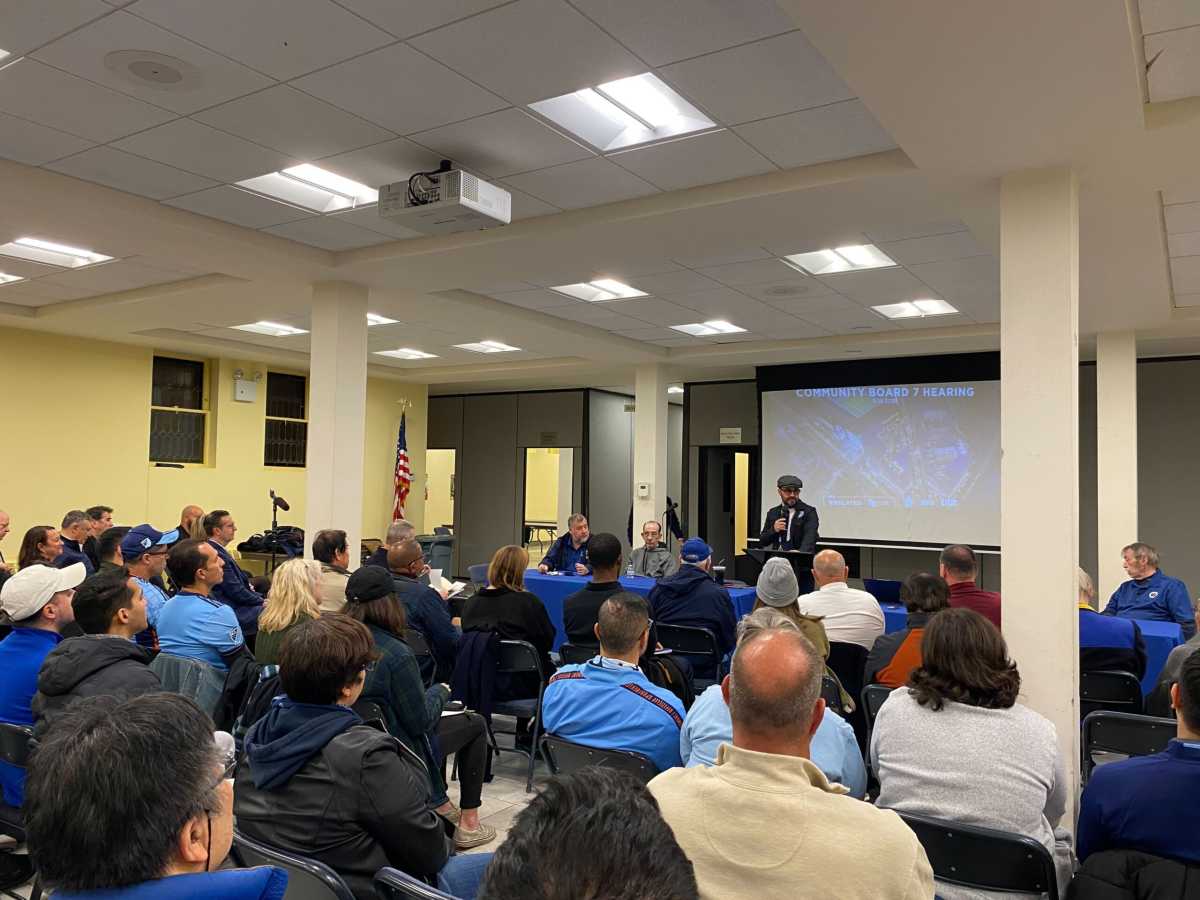
Dvorkin said he hopes the Mamdani administration will fully integrate artists into the affordability agenda. He said this includes artist housing, portable benefits freelance artists can take with them from job to job, or designing more spaces for artists to share their work.
By addressing zoning issues that allow for more live-work spaces for artists and artist preference programs that allow artists to submit portfolios rather than W2 or 1099 forms when reporting income, Dvorkin said it would make it much easier for them to be approved for housing.
He also suggested the city could establish a five-borough cultural festival, similar to the Edinburgh Festival Fringe in Scotland or the South by Southwest film festival in Austin, TX, in order to create opportunities for artists to generate revenue through ticketed performances in public parks and plazas.
“Why not see this as an opportunity for artists to actually earn more income while bringing their incredible talents to New Yorkers and visitors all over the world?” Dvorkin asked.
Batan said it’s also important for artists and residents to get involved civically, such as attending community board meetings and sitting on land use committees.
She said the new Mamdani administration has a lot of fresh energy and momentum for social justice, so this is an ample opportunity for everyone to take an active role in their communities.
“Our voice is strongest as a collective,” she emphasized. “We have to be engaged. We can’t operate in a silo, and I think that starts with our voice.”
Hope for the road ahead
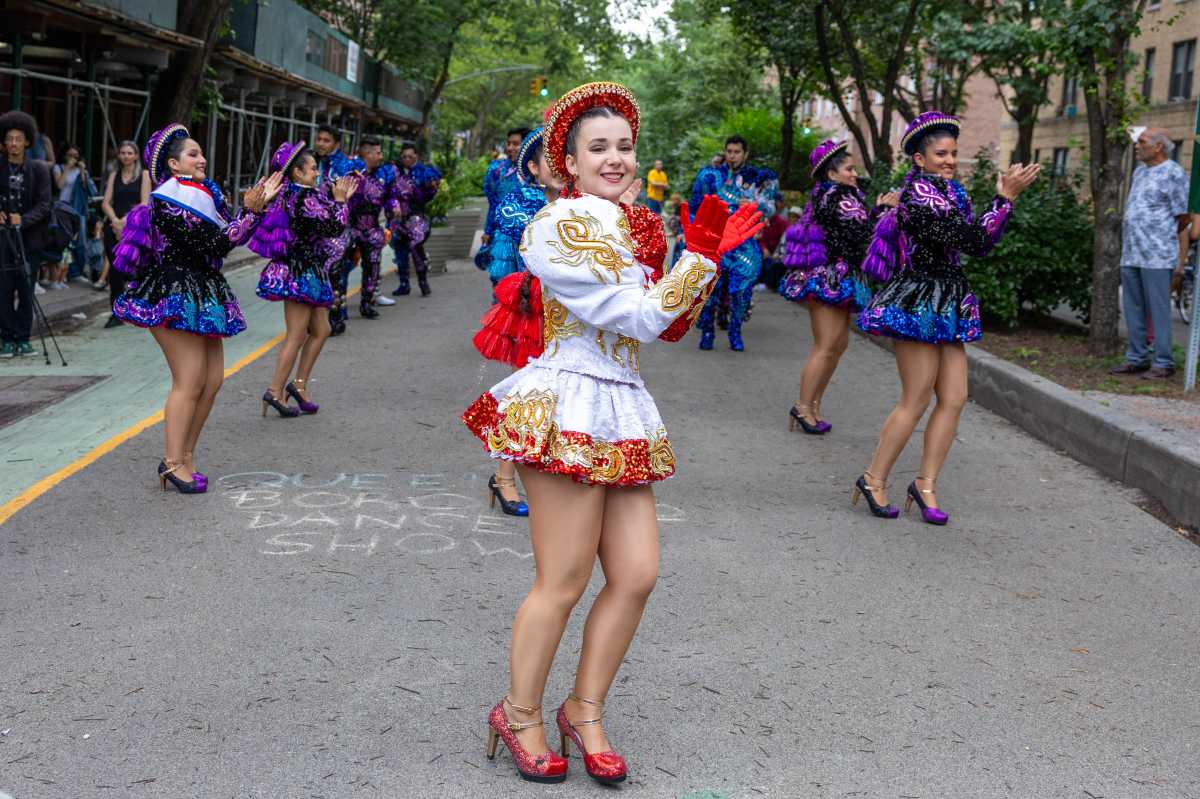
Batan said the arts are a way for people to connect with one another, express themselves and heal in the community. Sometimes artistic expression, she said, can help individuals and communities communicate things that can’t be said with words.
“You see it and you feel it,” Batan said. “Sometimes, it’s really the way societies survive, especially through traumatic things. I think people need to recognize that power.”
Dvorkin said the arts give New York far more than what it actually gets in return, and it’s hard for artists to feel like their contributions are appreciated when they’re working multiple gigs just to pay rent.
“Even though it’s hard to be a New Yorker sometimes — you know, it’s expensive, crowded and frustrating in so many different ways — it’s the city’s cultural identity,” Dvorkin said. “It’s what makes it New York.”
As for Stadler, arts and culture are what knit the community together.
“It’s the fabric, the expression, the joy, and also the pain,” she said. “It’s the full spectrum of appreciation and expression of one’s experience, and a way to collaborate with others and learn. I’ve been so fortunate to have been able to create in different ways. It saved my life. I wish that for everyone.”