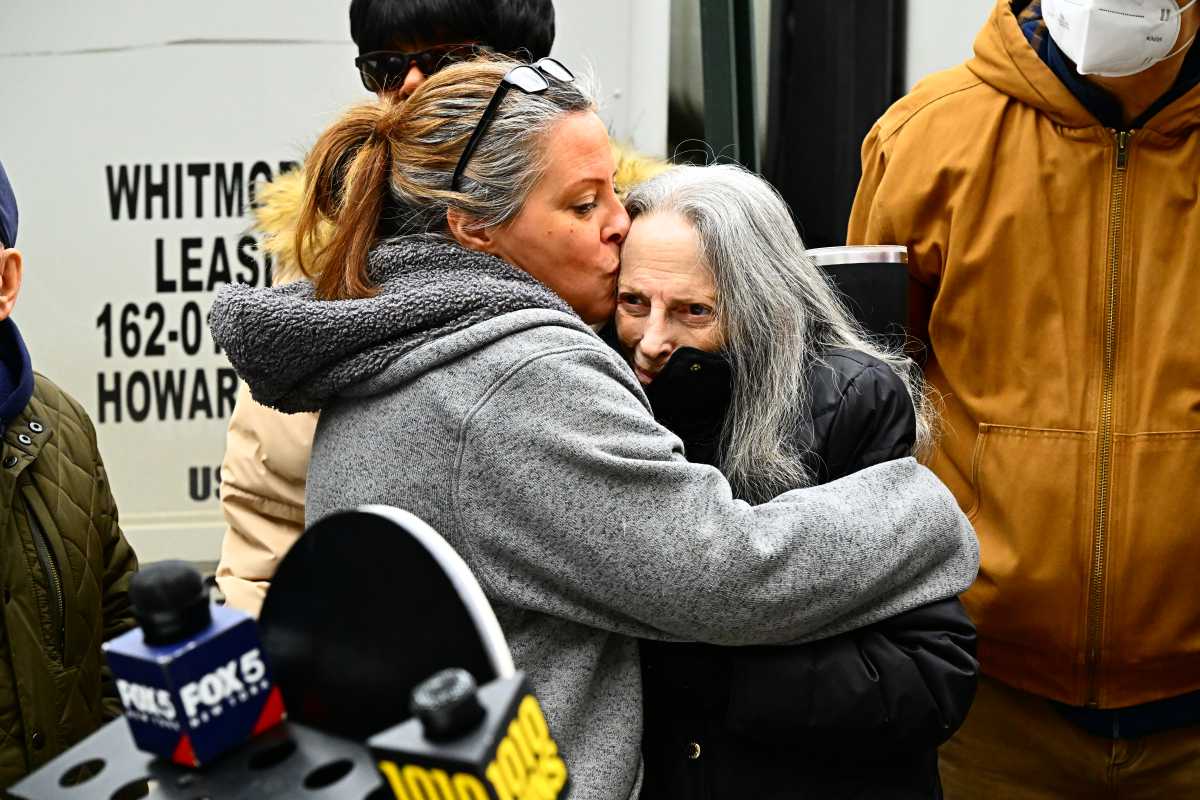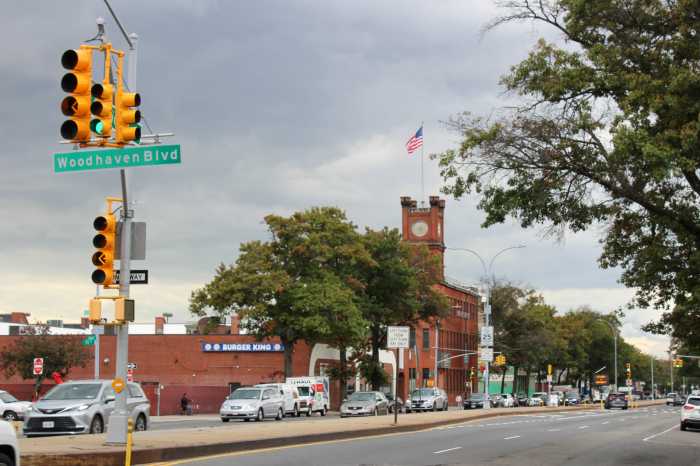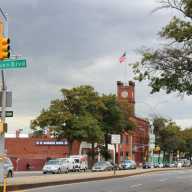

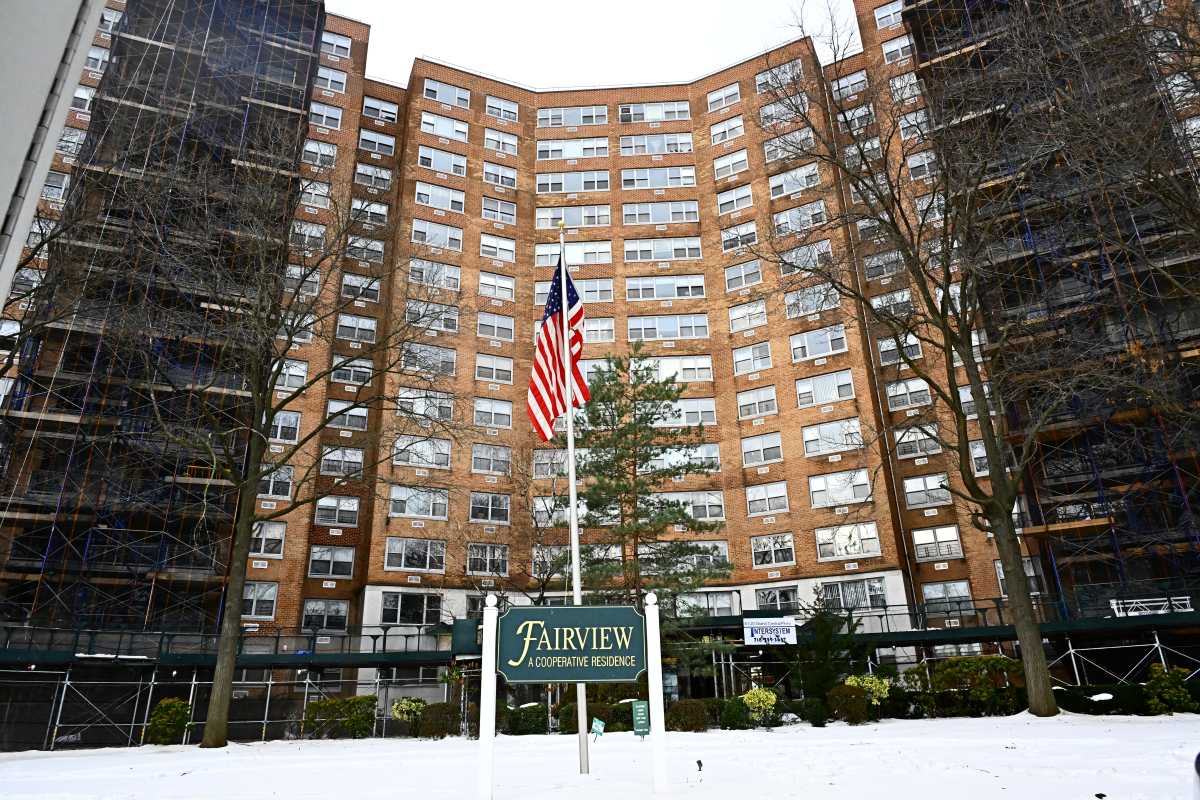
After residents of Fairview, a 424-unit co-op in Forest Hills, had no heat in their apartments for 16 days, they claimed the co-op’s management left them in the cold and refused to answer their questions regarding the cause and subsequent handling of the heat outage.
The heat outage began on Jan. 26 when an HVAC pipe broke after a winter storm brought snow and extreme low temperatures to the area.
Management confirmed that heat was restored throughout the entire building as of this morning and pushed back on residents’ claims, arguing they have communicated with shareholders every step of the way.
Residents said management was being dishonest and that they’re fed up with the lack of transparency over the past two weeks, worrying the issue will occur again in the future.
“I don’t feel safe in this building,” said Patricia Zhou, a resident and member of the co-op’s board. “Our residents are not asking for anything unreasonable — they are asking for basic information about their homes. It is deeply troubling that in the midst of an ongoing infrastructure crisis, residents and even members of the board are struggling to get clear, timely answers.”
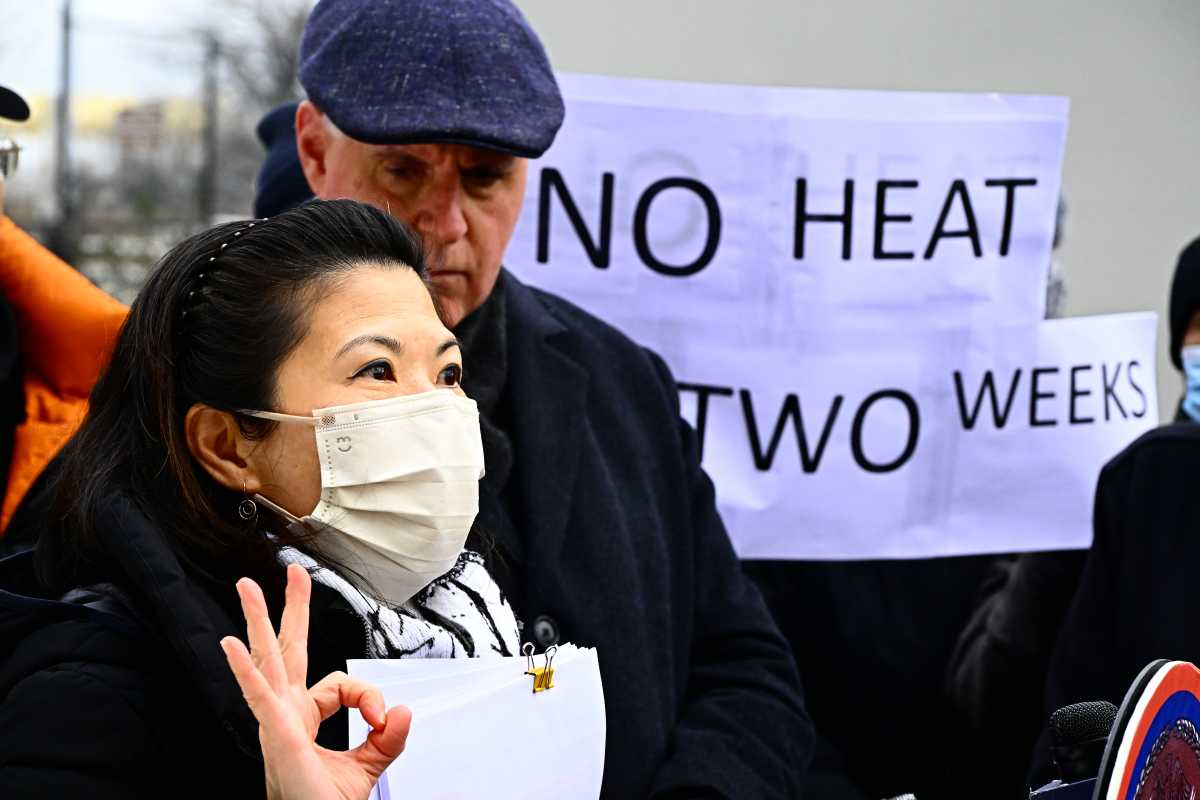
“I find it disheartening and appalling that there is so much controversy and so many don’t know what is going on,” added Debra Istwan, whose mother is a Fairview resident. “Everybody is supposed to have a voice, and the majority of us feel like we are not being heard.”
When the HVAC pipe initially broke, management said it had “no choice” but to shut down water through the building’s fan coil units, which are over 60 years old, and wait for plumbers to repair the pipe.
However, when the boiler was restarted, water inside the pipes had frozen and caused blockages. When hot water hit the pipes, some of its copper coils burst, causing flooding in many apartment units.
Residents endured over two weeks without heat in their units as outside temperatures consistently dipped below freezing.
Council Member James F. Gennaro, who represents Forest Hills, hosted a press conference this morning demanding transparency from Fairview management on behalf of the residents and shareholders.
“Residents deserve clear answers and honest communication,” Gennaro said. “When families lose heat in the dead of winter — during a weekend when parts of New York City experienced temperatures colder than Antarctica — and apartments continue to flood weeks after the initial incident, silence from management is not an option.”
He said management must provide residents with a full accounting of what caused the heat outage and flooding, as well as whether it could have been prevented through proper maintenance or oversight, what is being done to fix it, and how they will ensure this never happens again. “This is about health, safety, and basic dignity,” he said.
Gennaro said he contacted the NYC Department of Housing Preservation and Development to conduct an investigation into the building’s plumbing system in lieu of management, who he said have not handled the matter properly.
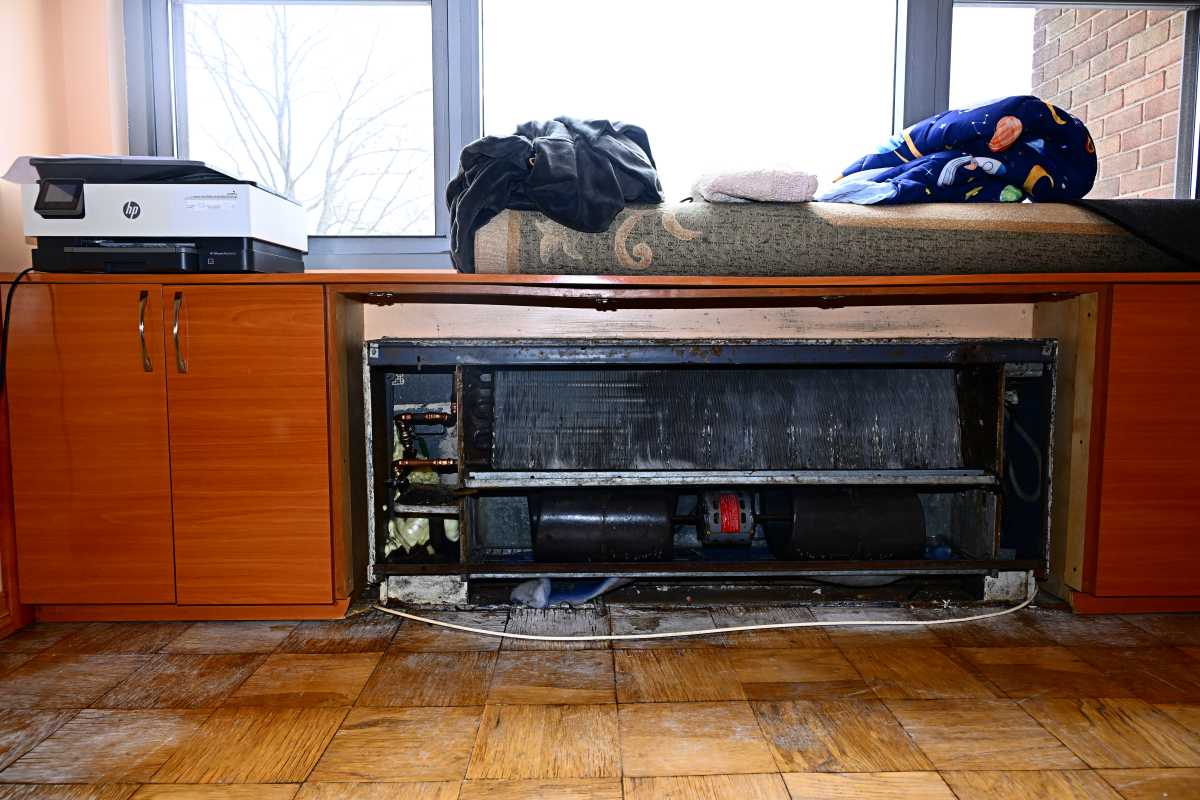
Robert Gerrard, a resident of Fairview for 32 years, said he believes the building was not being maintained properly, and that is what led to what he described as a “disaster.”
He said the temperature inside his unit got as low as 55 degrees, and he and his wife were forced to stay at a local Marriott Hotel to stay warm.
“People are still wondering what is going on,” he said. “Two weeks without heat was horrible. We had to go to a hotel for three nights.”
Zhou, who’s been boiling water on her stove to keep her and her son warm, said she took nearly two weeks off work to keep an eye on her apartment and ensure it didn’t flood. “I was so scared of what I’d come back to in six hours,” she said.
Zhou demanded to know why the heat outage had lasted so long. While she said she’d made several attempts to get answers, she claimed she’d been excluded from meetings with the vendor, plumber and management.
“We have no idea what’s going on,” she said. “The only news I got was management sending out a bunch of emails telling everybody they turned on the heat, and then turned it off when the flooding began, and then back and forth. But we still don’t know what happened.”
She said management even canceled their board meeting last Thursday, not providing an opportunity for her to ask questions.
Zhou, who said she’s only successfully scheduled two meetings with management since last June, even filed a petition with the Queens Supreme Court last September claiming management was not giving her access to records. “This is any shareholder’s legal right,” she emphasized.
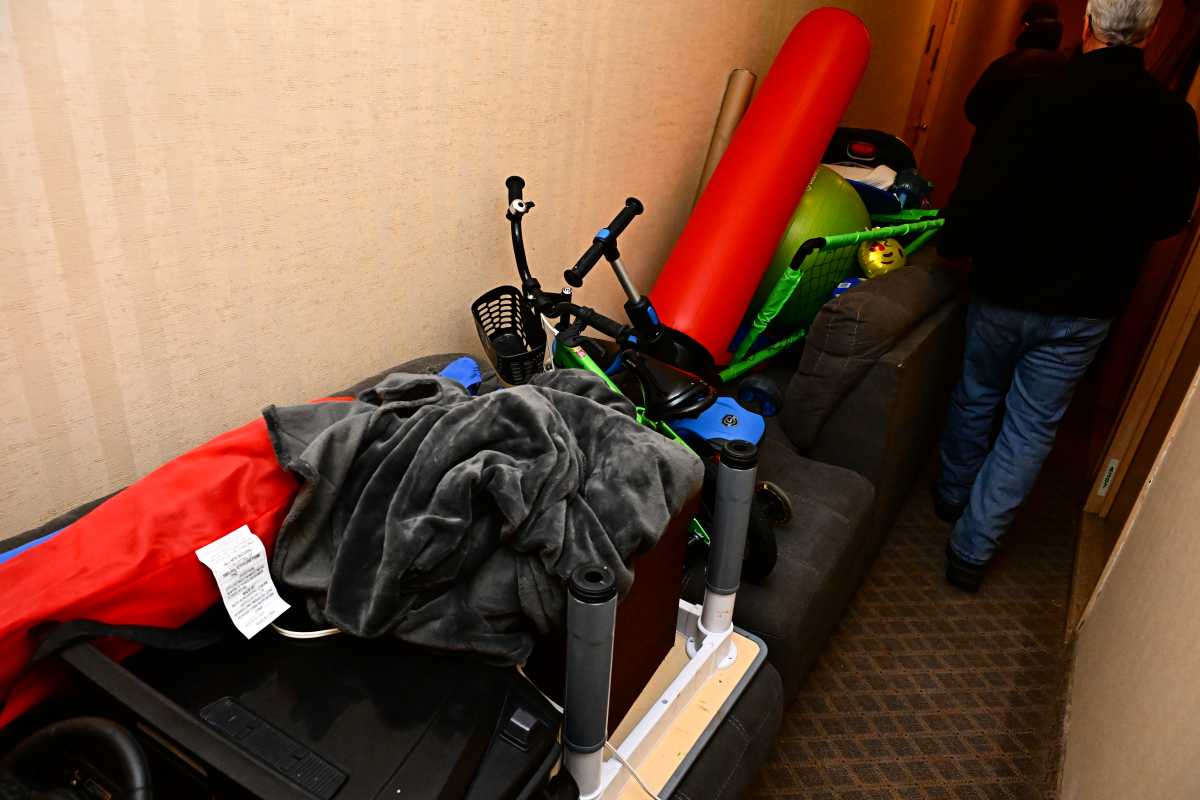
Management fought back against residents’ claims and asserted they have provided daily updates to residents.
Luis Mercado, manager of Fairview, said they immediately began addressing the broken HVAC pipe, as well as the cascade of problems that followed, stationing a plumber on each of the 14 floors in the building to stop leaks as they occurred.
“We had an army of employees, plumbers and clean-up crews working through their exhaustion to ensure residents got heat back as soon as possible,” he said. “We never gave up.”
However, Mercado said the flooding was “not preventable and not predictable” due to the age of the building’s pipe system. Replacing the pipes, he continued, could cost over $35 million.
Allan O’Hare, president of the board, said management has not denied a single board member from accessing book records. He also said since he became president in October 2024, the board has had “more public meetings than any board in the history of this building.”
The reason why management hadn’t hosted a meeting in the past two weeks, he explained, is because they’ve been scrambling to fix the plumbing issues and get the heat back on.
When a staff member from Gennaro’s office pushed back and said the team proposed a town hall on Feb. 27, O’Hare claimed that no one asked him about a meeting.
But, O’Hare said he would consider hosting one in order to explain to residents and shareholders what happened that caused the heat outage.
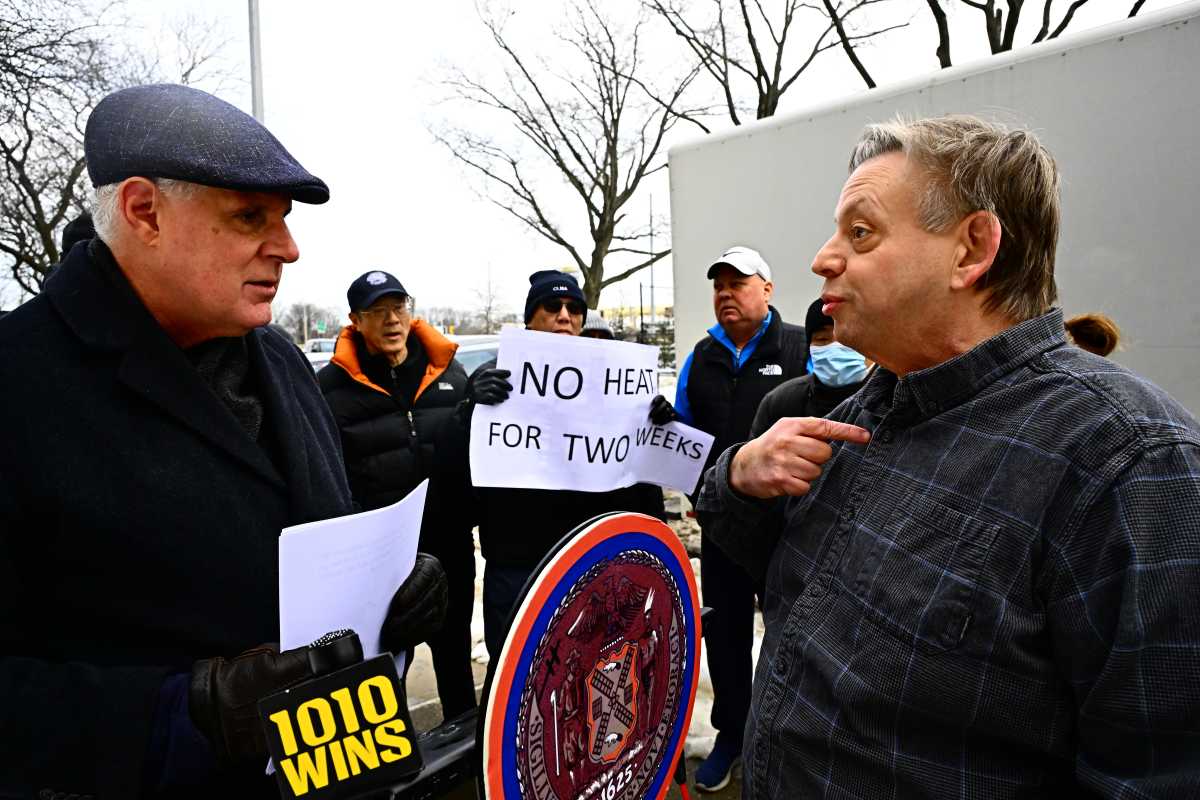
While residents expressed gratitude to the workers that have assisted them through the entire ordeal, they claimed management has refused to show them records of phone calls and payments they’ve made to repair the pipes and address the flooding.
Neil Breitkoph, a resident of Fairview and a member of the board, lives in one of the apartment units that flooded with hot water.
Breitkoph requested documentation — such as corporate books, financial records, vendor contracts, incident records and authorizations for repairs — in order to get a clearer picture of the timeline in which the building was inspected or cleaned.
“Were there preventable actions that were taken knowing cold weather was coming?” Breitkoph asked management during the press conference. “The co-op knew 16 months ago that the pipes were bad when the new boiler was put in. Was there anything done about it?”
Ellen Yan, treasurer of the Fairview board, said management decided it was too costly to replace the entire pipe system, which she claimed would have cost over $30 million, so they instead opted to replace all fan coil units with electric heat pumps, costing $2 million after rebates.
She said when flooding occurred in the building in 2021 due to heavy rain and winds leftover from Hurricane Ida, which hit New York City as an extratropical cyclone, the co-op received a loan from their bank after being denied FEMA funds. She said management is using what’s left of that loan to finance the project.
O’Hare said the co-op has a “substantial” amount of money leftover from the loan, which means no special assessment costs or increases in maintenance costs have been pushed onto shareholders, despite their protest.
Yan agreed with O’Hare and claimed residents were misunderstanding the situation.
“Some people don’t want the heat pumps for some reason because they don’t want construction or upgrades, or they think they’re paying extra money when they’re not,” Yan said. “We already have the funding.”
Breitkoph, also a licensed accounting professional, said residents aren’t happy about the electrification of the heat system, however, because those funds were not intended to go toward heat pumps. He claimed the funds were earmarked to fix the building’s existing pipe problems, as well as the facade and the balconies.
“I’m a finance guy — they’re not finance people,” he said of management. “We didn’t have funds set aside for this electrification project. So my question is, how are we going to be able to do this? I’m not interested in calling anyone a liar, but we have funding issues because of other projects that are being done outside of the original loan we got.”
Even when funds from Ida were used to purchase a boiler, Breitkoph claimed residents and the board were not notified. “When I ask a question, I expect an answer,” he said.
Zhou said she started a petition, which has been signed by 157 residents, asking management to allow shareholders to vote on future projects to the building.
“I don’t believe a handful of board members should dictate the 424 families here,” she said. “If there’s any project that people don’t want, they should listen to our voices. Don’t you agree?”