High blood pressure, also known as hypertension, is often called the “silent killer” because it frequently presents without noticeable symptoms. As a result, serious health complications may occur long before the condition is formally diagnosed.
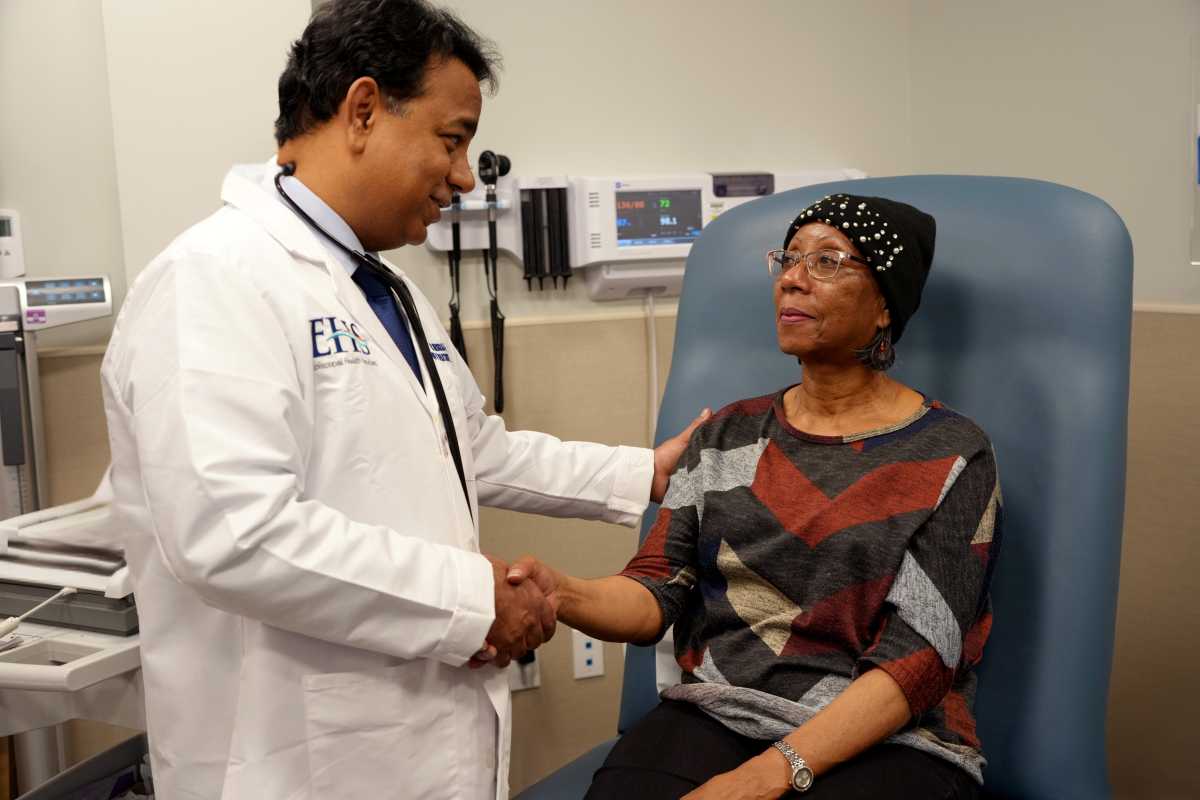
“Treating high blood pressure is not the primary challenge,” explains Dheeraj Khurana, MD, Chief of Cardiology at Episcopal Health Services. “The greater concern is the damage caused by prolonged hypertension, which can be difficult—or even impossible—to reverse.”
Regular blood pressure monitoring plays a critical role in preventing long-term complications. Equally important is understanding what blood pressure is, why it matters and how it can be effectively managed to support long-term cardiovascular health and overall well-being.
What is blood pressure?
Blood pressure refers to the force of blood pressing against the walls of the arteries as the heart pumps blood throughout the body. It is measured using two values:
- Systolic blood pressure, which represents the pressure in the arteries when the heart contracts and pumps blood. This is the top number in a blood pressure reading.
- Diastolic blood pressure, which represents the pressure in the arteries when the heart is at rest between beats. This is the bottom number in a blood pressure reading.
Optimal blood pressure is defined as a systolic reading below 120 and a diastolic reading below 80. When blood pressure is elevated, the heart must work harder to circulate blood, increasing strain on the cardiovascular system. A systolic reading of 130 or higher combined with a diastolic reading of 80 or higher is generally classified as high blood pressure.
How common is high blood pressure?
Research indicates that approximately half of adults nationwide—about 48.1%—have high blood pressure.
Are there different stages of high blood pressure?
The American Heart Association has identified the following high blood pressure stages:
- Elevated blood pressure: A systolic value between 120 and 129 and a diastolic
value less than 80. - High blood pressure (hypertension), Stage I: A systolic value between 130
and 139, or a diastolic value between 80 and 89. - High blood pressure (hypertension), Stage II: A systolic value of 140 or higher, or a diastolic value of 90 or higher.
- Severe hypertension: A systolic value above 180 or a diastolic above 120.
Some patients may present with hypertensive emergency, in which the systolic value is above 180 with symptoms, or the diastolic value is above 120 with symptoms.
What symptoms are associated with hypertensive emergency?
Symptoms may include:
- Chest pain
- Severe headaches
- Nosebleeds
- Shortness of breath
- Changes in vision
- Signs of stroke, such as difficulty speaking or weakness in the arms
Anyone experiencing these symptoms should seek immediate medical attention.
Are there factors that increase risk for developing high blood pressure?
Several factors can increase the risk of developing high blood pressure, including:
- Age: Arteries tend to stiffen over time due to calcium buildup, placing individuals over 40 at increased risk
- Poor nutrition, particularly diets high in fat or sodium
- Physical inactivity
- Smoking
- Obesity
- Family history of hypertension
Is it possible to reduce the risk of developing high blood pressure?
Certain lifestyle modifications can lower the risk for developing high blood pressure, including:
- Maintaining a healthy weight
- Increasing physical activity
- Adopting a heart-healthy diet rich in fruits and vegetables, such as the Mediterranean or DASH diets
- Reducing sodium intake
- Increasing potassium intake
- Quitting smoking
- Managing stress and anxiety
- Improving sleep quality and duration
What health conditions are associated with high blood pressure?
Although high blood pressure can often be managed following diagnosis, the primary concern is damage to the blood vessels and heart that may already have occurred. Potential complications include:
- Atherosclerosis, characterized by plaque buildup and hardening of the arteries
- Stroke
- Chronic kidney disease
- Heart attack
- Heart failure
- Cognitive impairment and dementia
- Peripheral artery disease, including carotid artery blockages
How is high blood pressure treated?
For individuals with elevated blood pressure or Stage I hypertension, lifestyle modifications are often recommended as the first line of treatment.
In cases of Stage II or severe hypertension, medication is typically required. Common treatment options include ACE inhibitors, beta-blockers, diuretics, calcium channel blockers and angiotensin II receptor blockers. Treatment recommendations are individualized and based on blood pressure readings, contributing risk factors and the presence of other underlying health conditions.
When blood pressure remains uncontrolled despite appropriate medication, renal denervation may be considered. This minimally invasive procedure uses a catheter to deliver heat or ultrasound to reduce overactive nerve signals in the renal arteries, helping to lower blood pressure safely and effectively.
What is the best way to monitor blood pressure?
Annual blood pressure screenings performed by a physician are essential for identifying concerning trends over time. These evaluations should be complemented by regular at-home monitoring using a reliable blood pressure device. Taking measurements daily or three to four times per week can help detect rising blood pressure early, before damage to the heart or blood vessels occurs.
If you believe you may be experiencing symptoms related to high blood pressure, call 718-EHS-DOCS (347-3627) promptly to schedule an evaluation and discuss appropriate treatment options or visit ehs.org/cardiology to learn more.