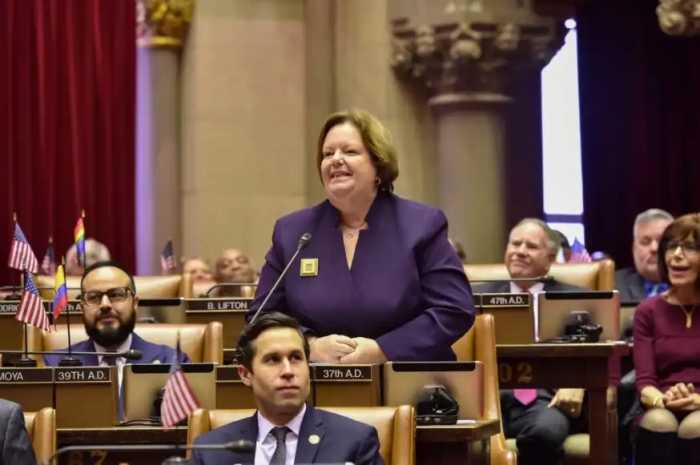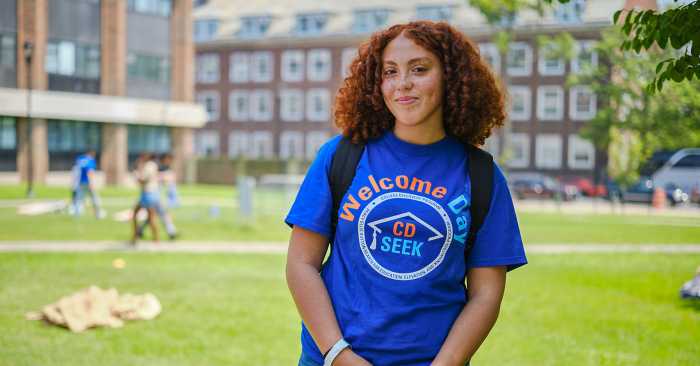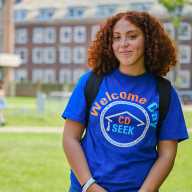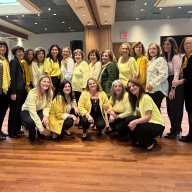

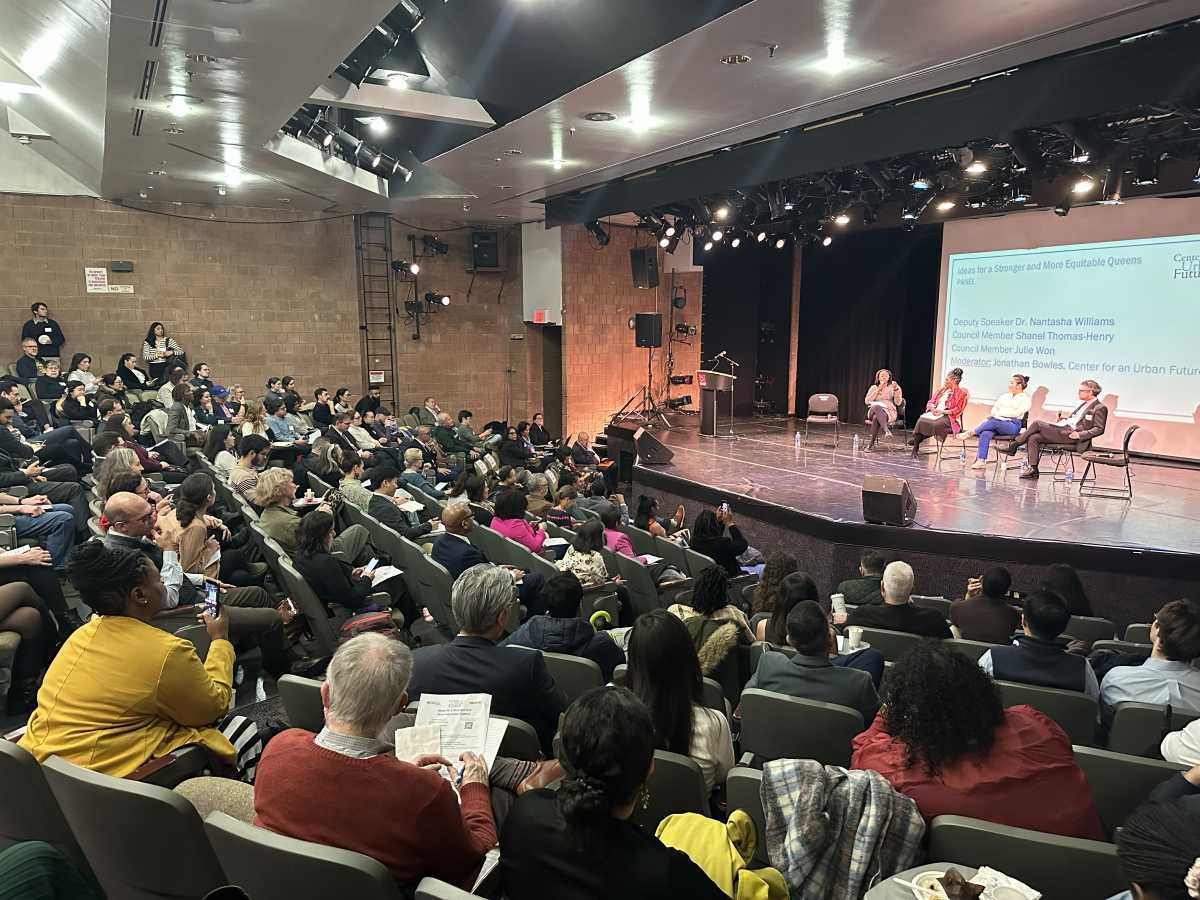
Queens leaders and officials joined the Center for an Urban Future (CUF) at the first-ever symposium dedicated to creating a stronger and more equitable borough at LaGuardia Community College in Long Island City on Thursday, March 5.
The half-day symposium, sponsored by Verizon and the Thomas and Jeanne Elmezzi Private Foundation, featured dozens of speakers who presented ideas and solutions to address Queens’ biggest challenges, take advantage of its many opportunities and lay the foundation to strengthen the borough.
A news release from CUF — an independent think tank focused on building a stronger, more equitable economy in New York — said the symposium builds on its May 2024 report, 50 Ideas for a Stronger and More Equitable Queens, which featured ideas for the borough’s future from a diverse mix of 50 leaders from across Queens.
The event included three-minute idea pitches from 11 Queens-based community leaders, including Queens Public Library President Dennis Walcott, LaGuardia Community College President Kenneth Adams, Chhaya Executive Director Annetta Seecharran and Queens Chamber of Commerce President Tom Grech.
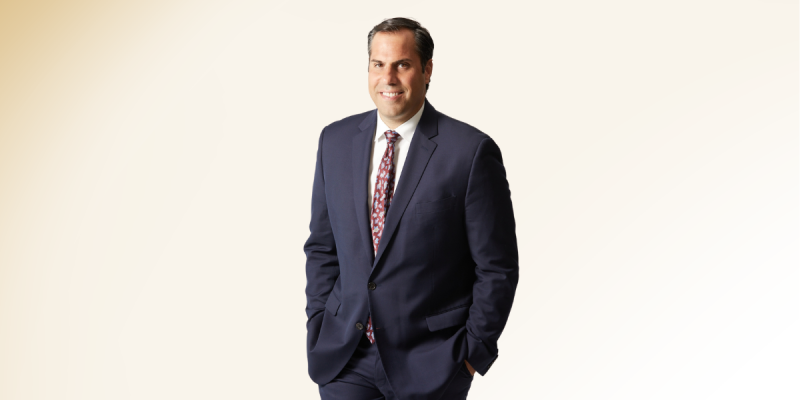
“There’s so much going right with Queens today, but there’s still plenty of work to do to create a stronger and more equitable borough, and ensure more Queens residents can get ahead,” said Jonathan Bowles, executive director of CUF. “This event will tee up actionable ideas for addressing the borough’s most pressing challenges and moving Queens ahead.”

Queens Borough President Donovan Richards hosted a fireside chat during the symposium, reflecting on past successes and discussing ideas to address issues such as affordability and threats from Immigration and Customs Enforcement.
“Obviously, we see what’s happening around this country when it comes to immigration,” he said. “Queens, being the most diverse county in the United States of America, is certainly at the forefront of that battle. What keeps me up at night is when I hear ICE in places like Corona targeting our residents.”
In terms of affordability, Richards reflected on past successes, such as approval for the OneLIC Neighborhood Plan featuring thousands of affordable housing units, as well as affordable housing units built in Far Rockaway.
He added that a deal for affordable housing on Far Rockaway’s waterfront was closed recently, which will initially introduce over 300 housing units — over 200 of which will be affordable — in the first phase of a project that will build 2,000 housing units total.
Looking ahead to the future, however, Richards said property tax reform is needed in order to help address inequities in housing costs for residents who live in areas with less expensive properties but higher tax rates.
The event also included a panel featuring Deputy Speaker Nantasha Williams, Council Member Julie Won and Council Member Shanel Thomas-Henry.
Thomas-Henry said one of her main focuses was ensuring people born and raised in Queens are able to stay in Queens, once again pointing to affordability concerns.
Williams said infrastructure was one of her priorities, noting that while the borough continues to grow, equal investments in infrastructure are crucial to supporting ongoing development.
For Won, stormwater and flooding is a major issue in her district, and she said investments in sewage and plumbing infrastructure would help support the community.
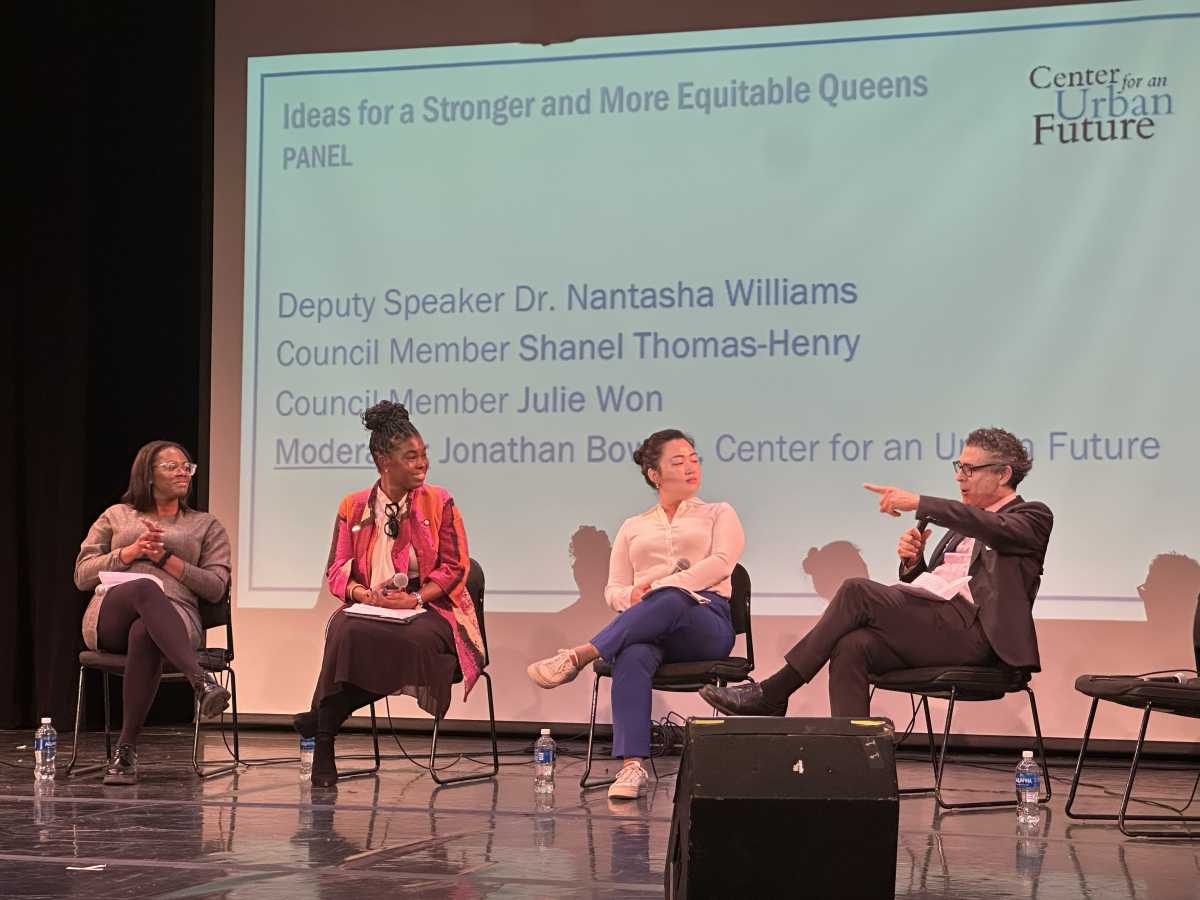
However, Won said the bigger picture extends beyond simply building more housing and has more to do with supporting the growing community with school seats, infrastructure upgrades and improving the quality of existing affordable housing units, as well.
“It’s a lot more than just housing — we need everything,” Won said. “We have to look at it from the frame of homelessness all the way to permanent housing where seniors can age in place.”
Preserving affordable housing, she continued, is necessary to ensure these goals. She noted that New York City Housing Authority units are often neglected despite housing the most vulnerable people in the city, living in dire conditions.
Williams said she’d like the Mamdani Administration to address quality of life issues in her district, such as trash collection, speeding and smaller public safety issues.
She also pointed out opportunities to improve public transportation.
“To me, a bus line is not mass transit,” Williams said. “We don’t really have access to express buses. I’d love to see better regulation of the dollar vans and making sure there are more opportunities for other transportation in my district.”
Thomas-Henry, on the other hand, spoke about making it easier for residents to start and maintain small businesses, such as informing them of resources and giving more contracts to women- and minority-business owners.
“Queens is the most diverse place in the world,” she said. “Yes, a lot of our small, minority-owned businesses do not have access to larger prime contracts. It’s about breaking down those barriers to make it easier for businesses to start and grow throughout our district.”
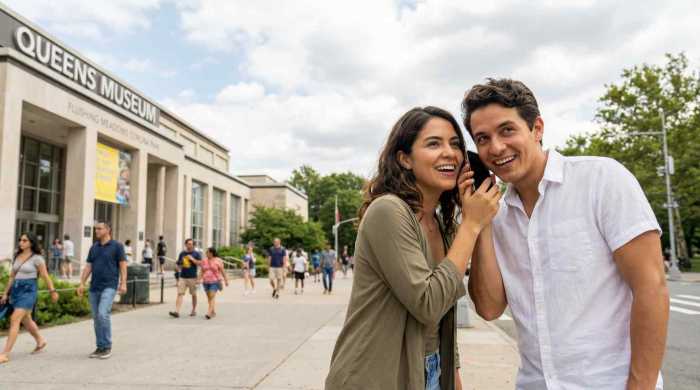
She emphasized that Queens has so much to offer residents and tourists alike, highlighting destinations such as Citi Field, Flushing Meadows Corona Park, the Queens Zoo and Museum and the Queens Theatre.
“We have it all — you don’t have to leave Queens,” she emphasized.

According to Pooja Joshi, executive director of the Thomas and Jeanne Elmezzi Private Foundation, the future of Queens will be shaped by the people and organizations rooted in its neighborhoods.
“This symposium creates space to elevate community-driven solutions and build the partnerships needed to turn bold ideas into lasting impact,” she said.
For more information about the Center for an Urban Future, visit NYCfuture.org.