In recent years, higher education and the technological landscape have undergone dramatic change. Artificial intelligence, digital tools and new learning models are reshaping how knowledge is created and shared and the growth of generative AI in classrooms has been rapid. The 2024 AI Index from Stanford University’s Human-Centered AI Institute reports a surge in AI use in education since the 2022 release of large language models. Meanwhile, college admissions, long the organizing principle of American education, are evolving in ways that challenge traditional assumptions about what and how students should learn.
Together, these forces compel us as schools to rethink how we structure secondary education. For decades, the American high school experience followed a familiar formula: rigorous coursework, strong grades and test scores and robust extracurriculars pave a path to competitive colleges. While these elements all still matter, the landscape has shifted and colleges increasingly seek evidence of initiative, creativity, authentic engagement and meaningful experiences beyond the classroom.

Part of this stems from the unsettled state of standardized testing. During the pandemic, most colleges adopted test-optional policies, reducing the centrality of the SAT in the admissions process. At one point, only 4% of colleges required test scores, down from 55% pre-pandemic. Though some highly selective institutions, including Harvard, Yale, Dartmouth and California Institute of Technology, have reinstated testing requirements, many others remain test-optional, creating a patchwork with schools looking for different qualities in their applicants.
Surveys from the National Association for College Admission Counseling show extracurriculars, essays and other demonstrations of initiative and character are considered “important” by 50% of colleges. Technology is also transforming admissions. The Common Application reports first-year applications increased over 30% since 2019, prompting universities to experiment with AI to review applications and analyze applicant pools. Generative AI raises further questions about the integrity of traditional indicators of academic ability, with 70% of teenagers having used AI for schoolwork, according to Common Sense Media.

More broadly, AI is changing knowledge work itself. Analysis from McKinsey and Company suggests generative AI could automate or accelerate tasks that account for up to 70% of employees’ time, particularly routine cognitive activities such as drafting documents, analyzing
information and summarizing research. The World Economic Forum estimates 50% of core job skills will change by the end of this decade as AI reshapes the workforce.
These developments suggest something important. Traditional artifacts of achievement are becoming less reliable indicators of curiosity, creativity and resilience and these are characteristics that perhaps are more important than ever. If AI can draft an essay or solve a complex problem, schools must reconsider how they cultivate and assess the skills that matter most. This is where experiential learning becomes essential.
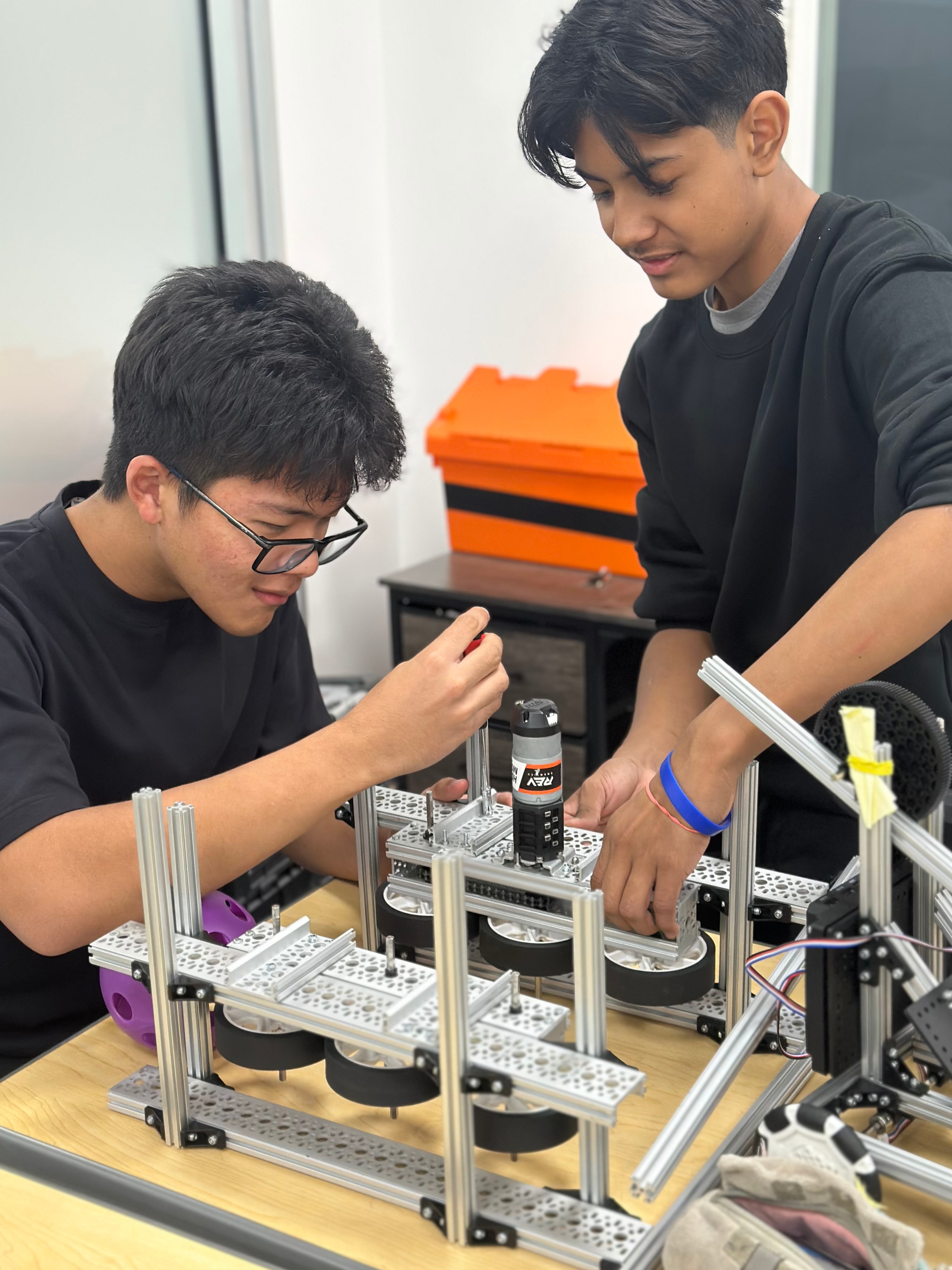
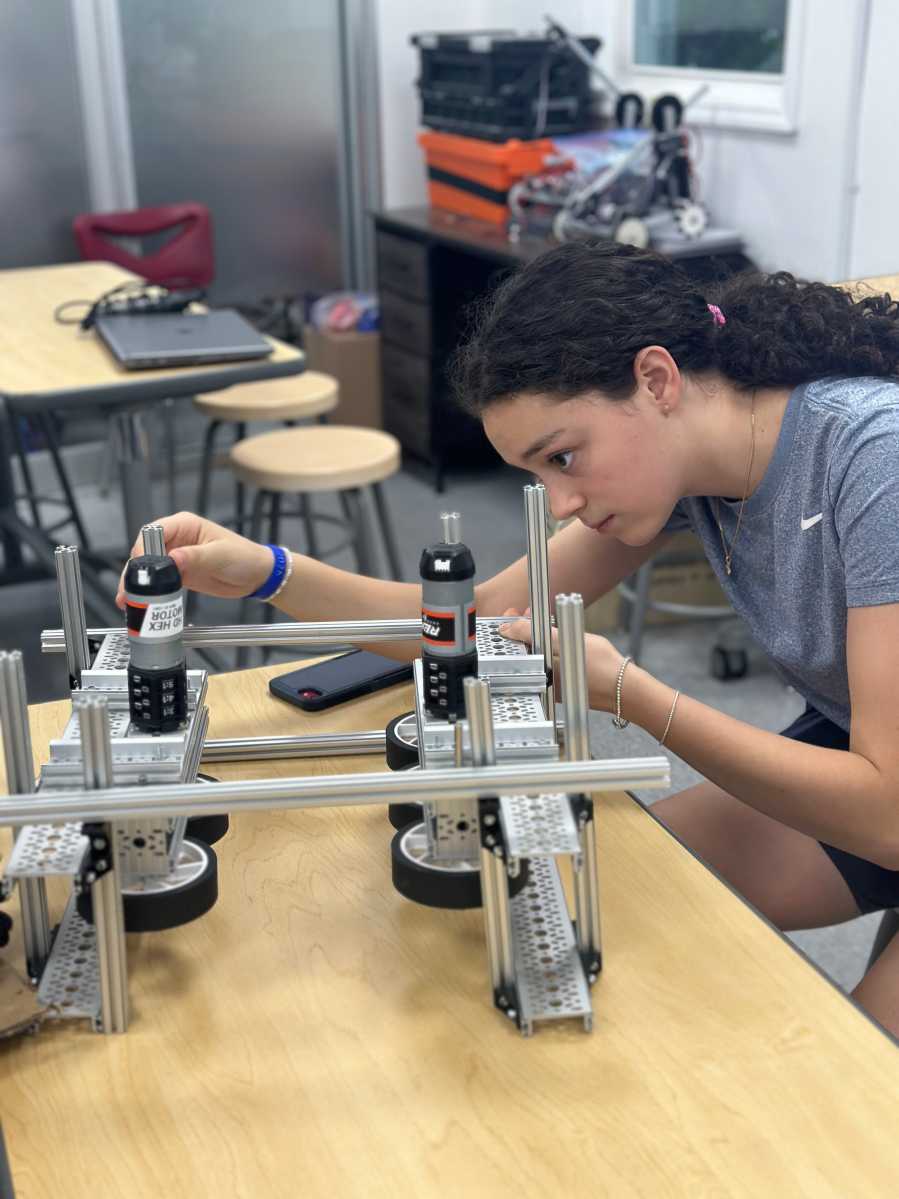
Experiential learning places students in situations where they apply knowledge to real-world challenges. Students conduct original research, design projects, collaborate with community partners, build businesses, address environmental problems or create works of art and engineering. Learning becomes active rather than passive and students discover what they are capable of doing, not just what they can retain and retrieve.
Equally important is the opportunity for students to pursue meaningful questions and shape their education. Student agency transforms learning from compliance into ownership. Students develop capacities that standardized tests cannot measure like judgement, ethics, perseverance and leadership when they design experiments, build prototypes, advocate for causes or lead initiatives. Further, in a future shaped by AI, the most valuable human capabilities will be those machines cannot replicate: creativity, collaboration and empathy.
Admissions officers describe their search not for perfect transcripts but for evidence of the well-rounded and grounded and high-achieving student who has demonstrated initiative and impact. This shift invites high schools to reimagine learning. Independent schools are particularly well-positioned to lead this transformation. Their scale allows teachers to know students and create learning experiences beyond traditional classrooms. Capstones, internships, research, maker spaces, and service are not enriching add-ons; they are the future of meaningful education.
The purpose of high school is not simply to prepare for college. It is the laboratory of learning and healthy risk-taking where students prepare for a lifetime of thoughtful engagement with the world. As technology accelerates and admissions evolve, schools must move beyond narrow measures of achievement toward experiences that cultivate curiosity, agency and purpose. Graduates who experience this will then be ready for both college and the future beyond it.
Christopher Herman is Head of School at Garden School, a Nursery to Grade 12 Independent school in New York City. He is a graduate of the University of Pennsylvania’s School Leadership Program and recently completed the Columbia University Klingenstein Center Heads Fellowship. He writes and speaks often on topics relevant to education.