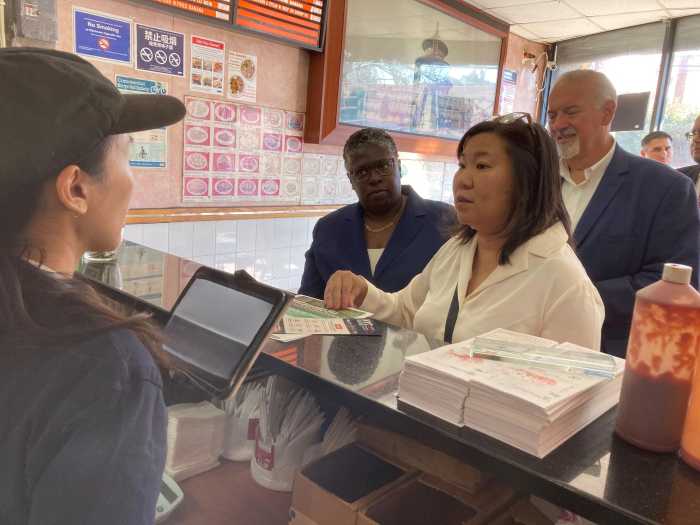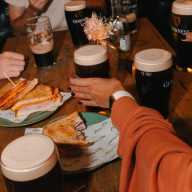

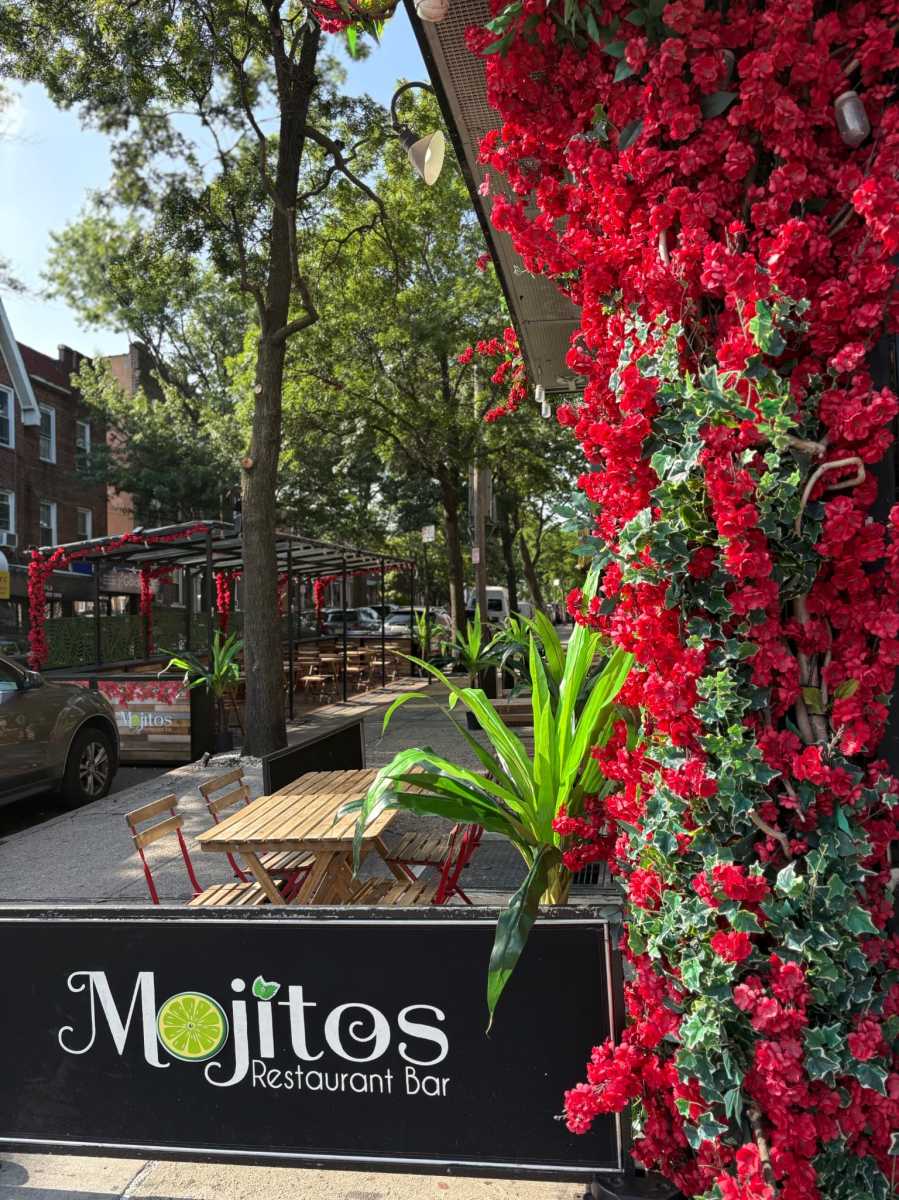
U.S. Rep. Grace Meng joined Queens business leaders and Dynishal Gross, commissioner of New York City’s Department of Small Business Services (SBS), to visit Forest Hills businesses impacted by a federally-funded initiative providing grants for permanent outdoor dining structures.
Dining Out in District 6, a federally-funded grant secured by Meng, provided 38 qualifying restaurants and bars throughout New York’s 6th Congressional District with new code-compliant outdoor dining set-ups at no cost.
The $2 million in federal funding, awarded to SBS through a US Small Business Association grant last year, allowed businesses in neighborhoods throughout the districts to erect permanent outdoor dining infrastructure ahead of the 2025 outdoor dining season.
Restaurants and bars in Forest Hills, Bayside, Flushing, Elmhurst and Rego Park received code-compliant outdoor dining kits as part of the program, creating 24 sidewalk cafés and 14 roadway cafés in the district.
The code-compliant kits are modular, allowing restaurants to easily remove and store the set-ups at the end of the outdoor dining season in November.
Gross told QNS that the outdoor dining infrastructure resulted in a 30-40% increase in revenues for participating businesses, stating that the program is anticipated to spur an additional $10 million in revenue over a two-year period.
Jessica Ramos, who owns Colombian restaurant Mojitos at 81-01 Northern Blvd., said the outdoor dining infrastructure allowed her to double capacity at the restaurant during the outdoor dining season between April and November.
“During the summer time, the infrastructure helped a lot for us,” Ramos said. “We have double the capacity to work with, so we needed to hire more employees and we had more opportunities to run the business.”
SBS has described the initiative as a model for the city to consider for similar programs in the future so that small businesses in other districts can benefit from similar support.
Gross, Meng and Queens Chamber of Commerce CEO Tom Grech visited a number of participating businesses in the district on Nov. 25 to examine the impact that the initiative has had on local restaurants.
Grech said the initiative has delivered “real support” to small businesses throughout the district, stating that the program has allowed a diverse range of restaurants to flourish.
“Only in this borough can you go from tacos to kebabs to sushi to shepherd’s pie in one day,” Grech said in a statement. “That diversity is our superpower, and we’re proud to help these restaurants keep growing, expand their outdoor dining options, and create inviting spaces for the community.”

Meng, meanwhile, said small businesses are crucial to the economy and said the addition of permanent outdoor dining infrastructure will help create jobs in the local community.
“These small businesses help create jobs and bring investments to our communities, and I’m thrilled to have visited several of the establishments that received free outdoor dining setups from the $2 million I brought back from Washington,” Meng said in a statement. “Thank you to the restaurant owners who have used these setups to help increase economic activity in our borough.”
Gross told QNS that a number of participating businesses spoke of the impact of the initiative during the Nov. 25 walkthrough, with several businesses remarking that it has allowed them to cope with increased demand during busier periods.
“Agora Taverna, which gets a lot of the overflow crowd or patrons from events at Forest Hills Stadium, was able to seat more people before and after those events,” Gross said. “They described an increase in their revenues on those nights of 30 to 40% and it was the outdoor seating that allowed them the greater flexibility.
“Otherwise, they’d be turning patrons away,” she added. “Additional capacity means additional revenue.”
Gross also believes that outdoor dining can create a welcoming atmosphere in the local community by creating a “beautiful experience of café dining” in the district. She added that a row of outdoor restaurants can influence customers to visit certain restaurants by creating a “district attraction.”
“If there’s a concentrated kind of restaurant row, where we have multiple restaurants participating with their setups, it really does provide a really a lovely vibe.”
She said a welcoming atmosphere could also convince pedestrians to stop at certain restaurants as they walk through the district.
Ramos, on the other hand, said the outdoor dining infrastructure allowed her to add an additional 21 tables on the sidewalk and roadway adjacent to her business. Mojitos interior boasts 13 tables and seats 50 customers, with the addition allowing the restaurant to effectively double its capacity.
“During the summer time, we increased sales and had the capacity to help employees by not cutting any hours,” Ramos said. “When we don’t have the structure outside, we will feel the impact.”