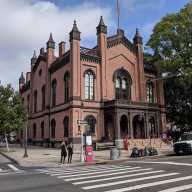

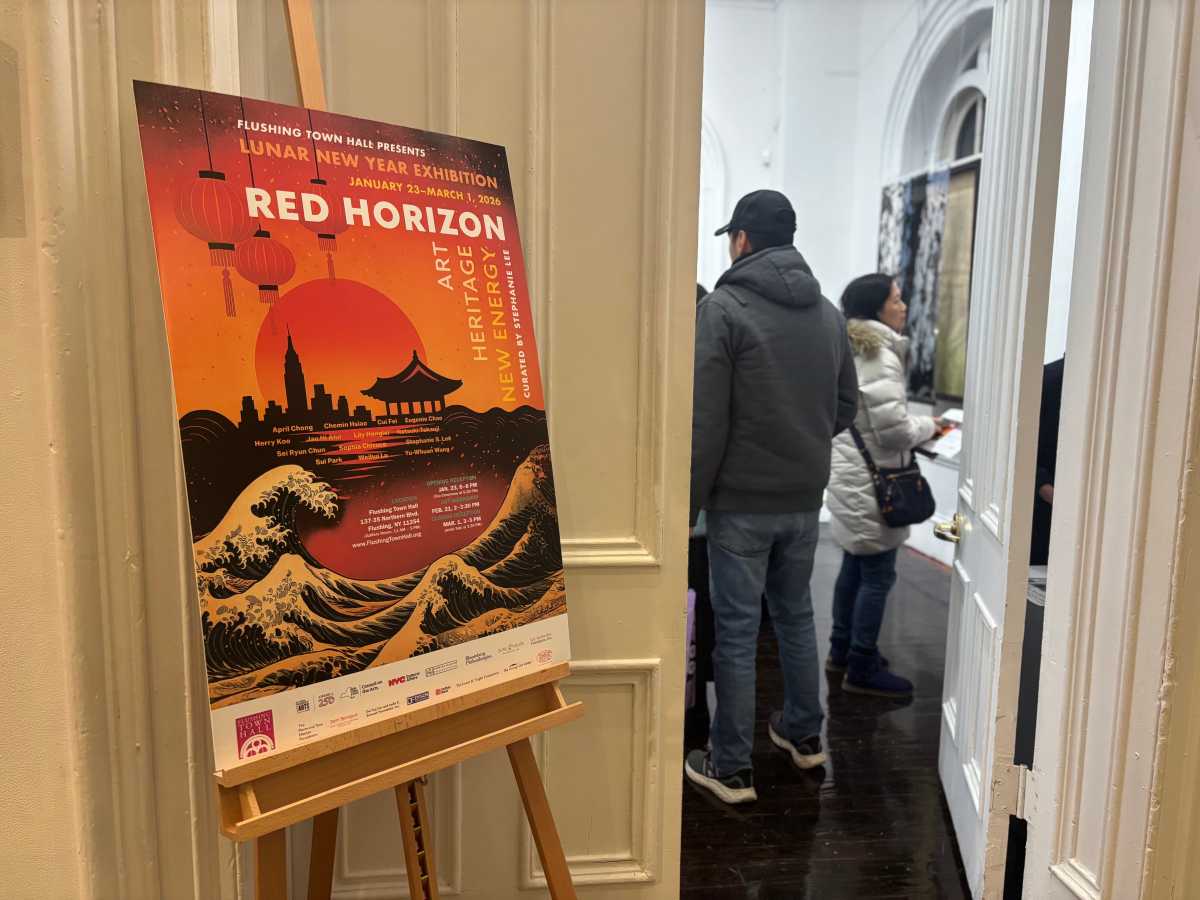
Lunar New Year is rising at Flushing Town Hall as it welcomes 2026, the year of the Red Horse, with its Red Horizon art exhibit.
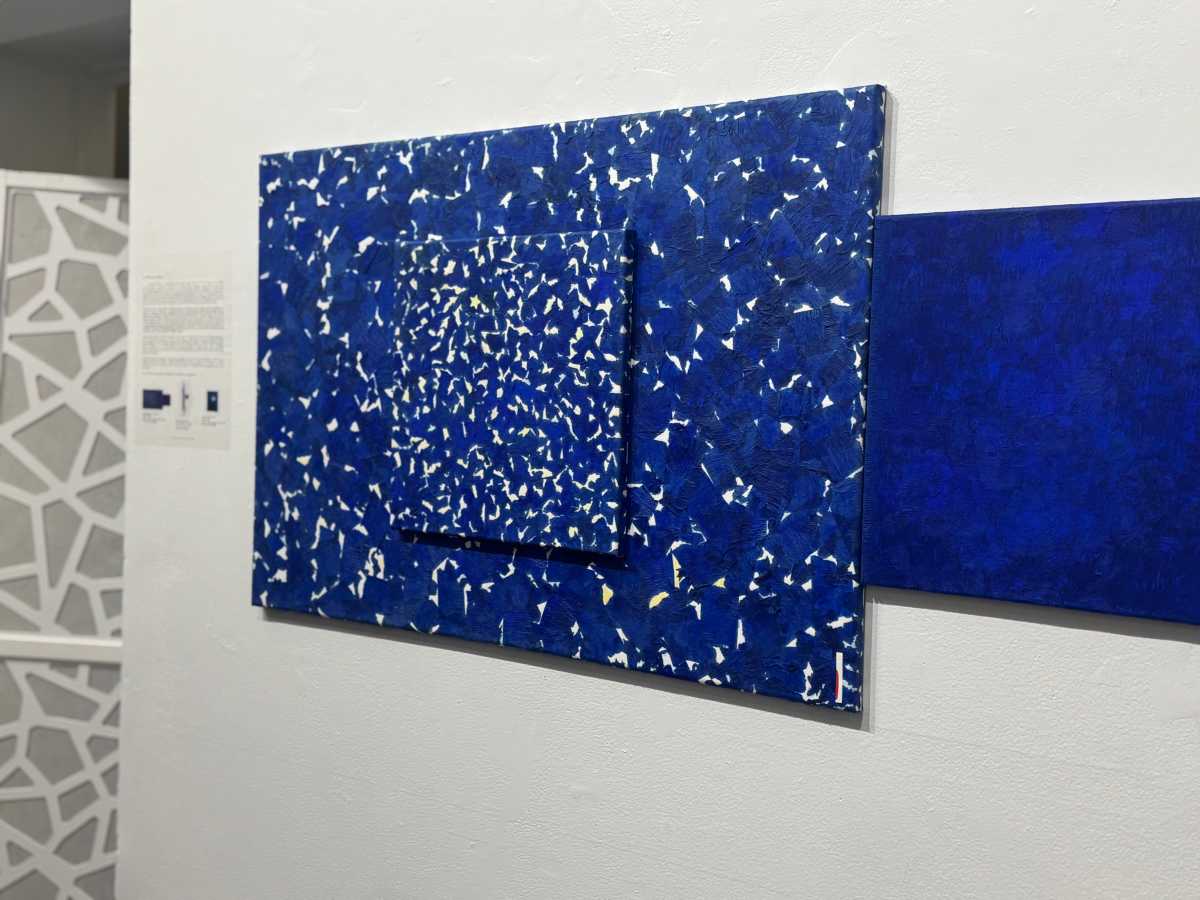
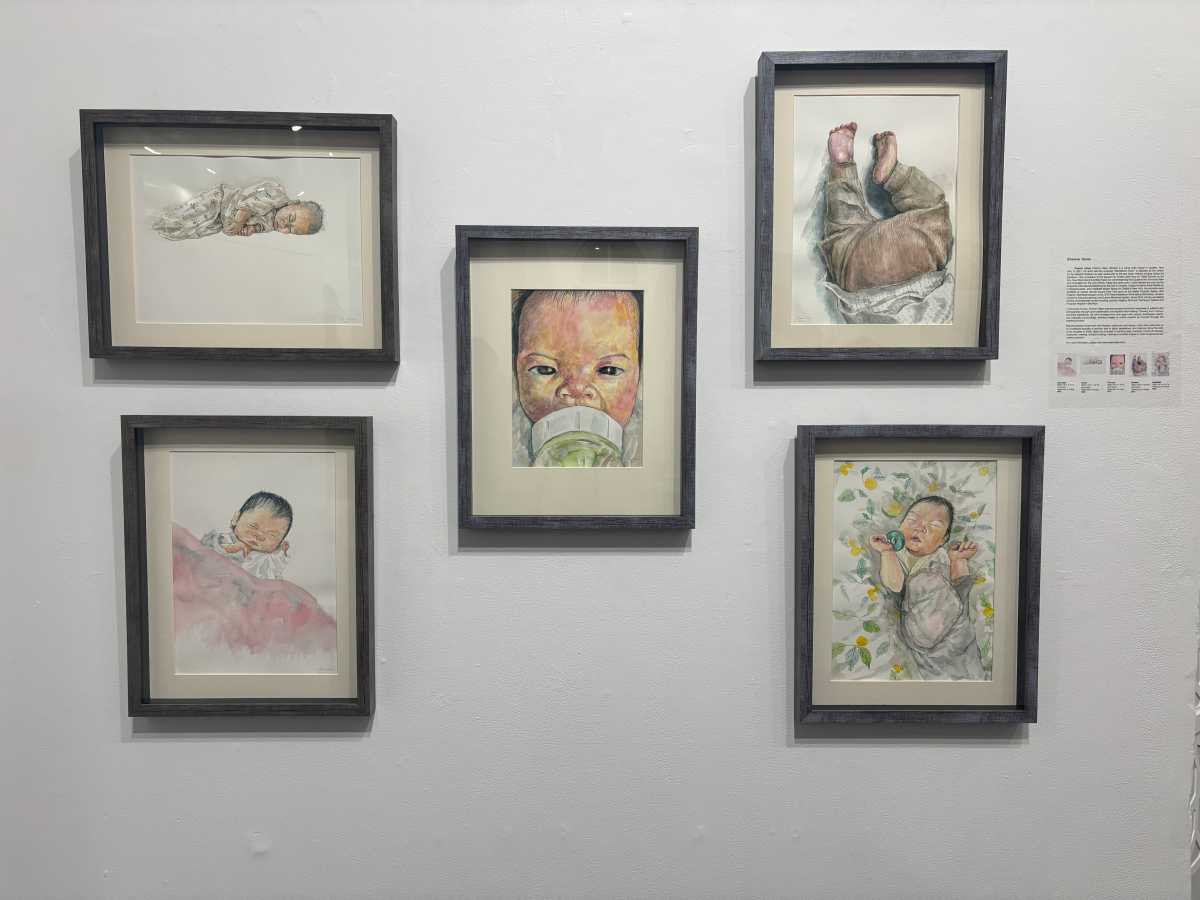
Curated by Stephanie S. Lee, director of the Garage Art Center in Bayside, the exhibit features the work of 15 local artists across New York City. Art pieces range from paintings and etchings to sculptures and handcrafted instruments, all made in honor of the holiday.
The exhibit will be open to the public now through March 1 and will include a Happy Neigh Year horse painting workshop hosted by Lee on Feb. 21, as well as a closing reception featuring an artist talk with Eugenie Chao, who will perform a live musical instrument demonstration using hand-crafted instruments she created for the exhibit.
Lunar New Year is an Eastern Asian tradition that begins during the second new moon after the winter solstice. This year, the holiday will be celebrated on Feb. 17, marking the year of the Red Horse.
The Chinese Zodiac calendar follows a 12-year cycle with each year rotating one of 12 animals, such as the rat or the snake, and five different elements — wood, fire, earth, metal and water. Each combination prophesizes the year’s fortune based on characteristics embodied by each animal and element.
The Red Horse, for example, combines the fire element — passion, energy, leadership and transformation — with the characteristics of the horse — vitality, independence and speed. According to Lee, 2026 will be marked by high energy, confidence and ambition.
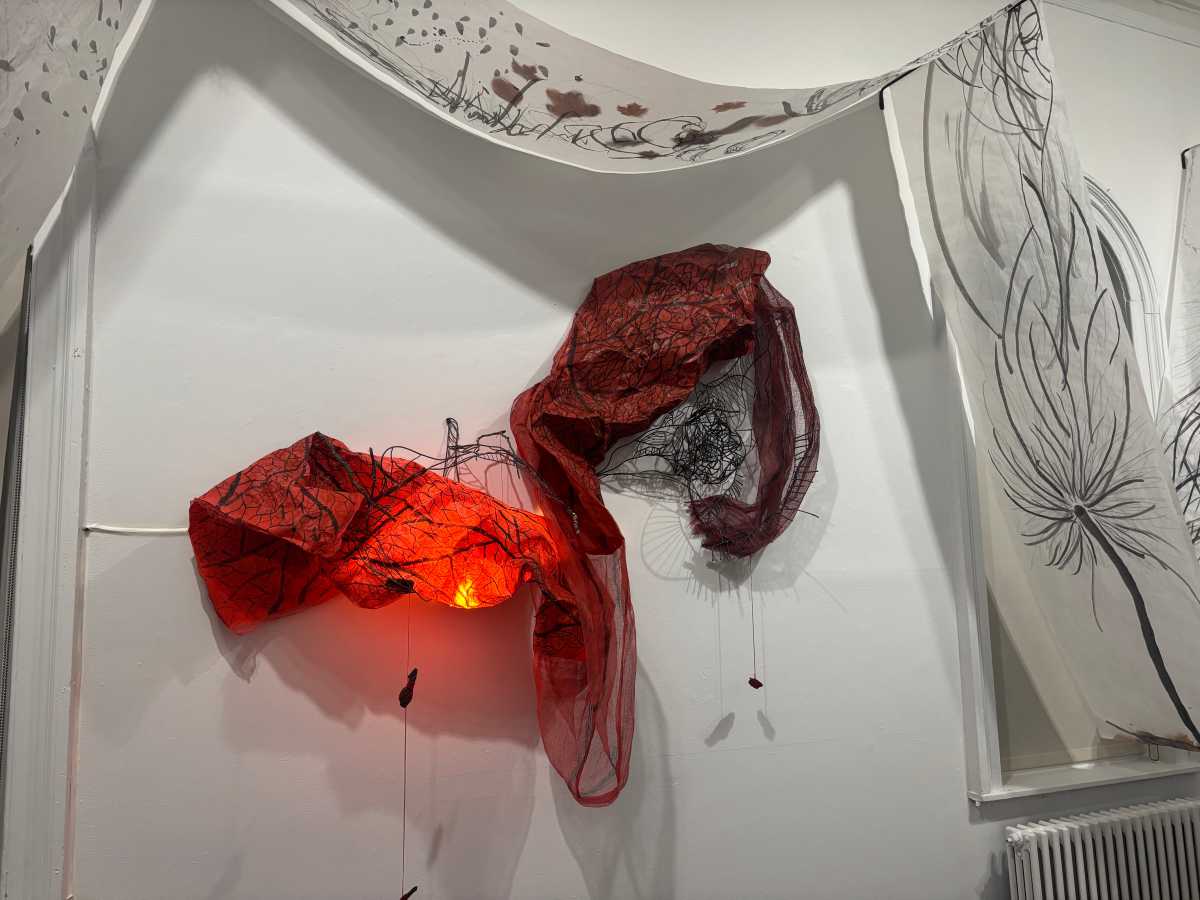
Lee explained that all the artists are Asian Americans living in New York City, and they’re often well-known by their communities and in the local art scene.
“They’re very active and hard-working,” Lee said. “It’s perfect for the Lunar New Year because it’s the Red Horse. It’s a lot of creating new momentum and moving forward with energy. I thought it was perfect for them to gather together and communicate with art.”
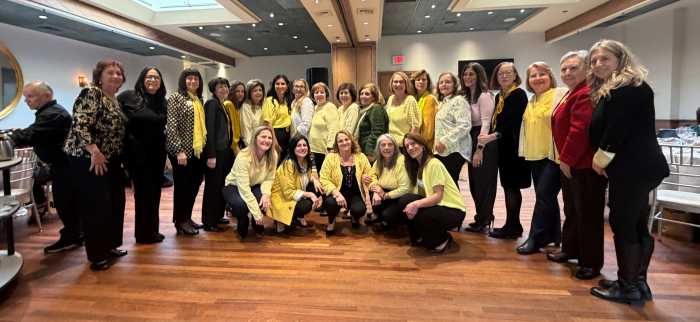
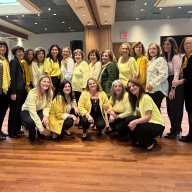
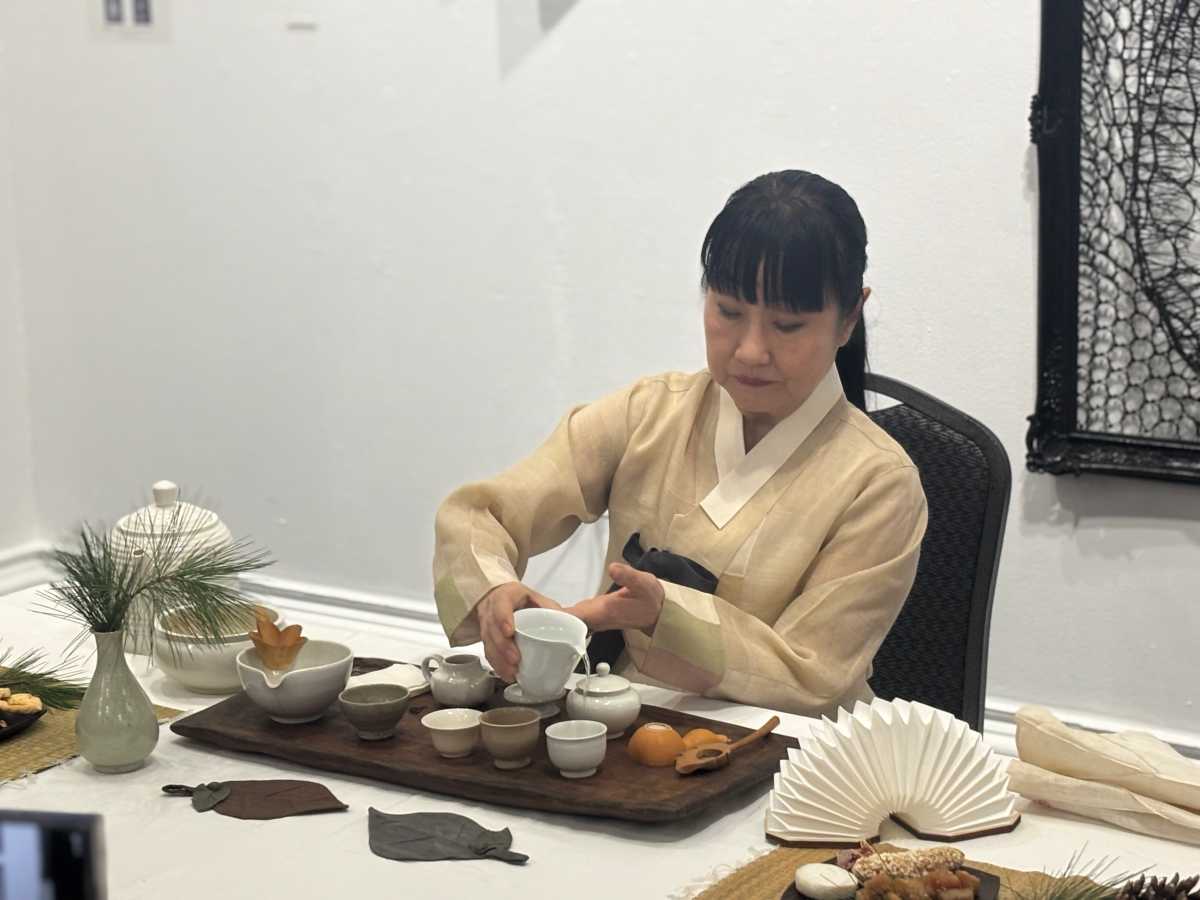
All 15 artists attended the opening ceremony on Friday, engaging with guests and speaking about their artwork. A traditional Korean Tea Ceremony was also performed by Sei Ryun Chun, which Lee said helped guests engage further with the culture.
“We wanted to create the opportunity to engage more deeply with the community,” Lee explained. “We’re creating a moment not only to look at these works, but also to slow down and experience a living cultural practice rooted in reflection and care.”
Chun sat at a prepared table in the gallery as guests watched her carefully and meticulously brew Korean tea and pour it into each teacup, one at a time.
Lee said the word for tea — cha — is shared across all Asian cultures. Korean tea culture, she continued, is not about perfection but rather values naturalness, simplicity and presence. The tea tends to be light in color with a mild and clean taste, meant to bring a sense of calm.
While the Lunar New Year is most commonly celebrated by Eastern Asian cultures, including Chinese, Korean, Vietnamese, Singaporean, Malaysian, Indonesian, Mongolian and Tibetan, many other cultures join in on the celebration.
For example, Sophia Chizuco is Japanese but said she still participates in the holiday because her culture loves to celebrate everything.
Chizuco’s art has been featured in the Lunar New Year exhibit previously, she said, and she’s displayed her artwork at many other venues across the city and New Jersey.
This year, five of her paintings were displayed at the Flushing exhibit and incorporate many symbols representative of Japanese culture.
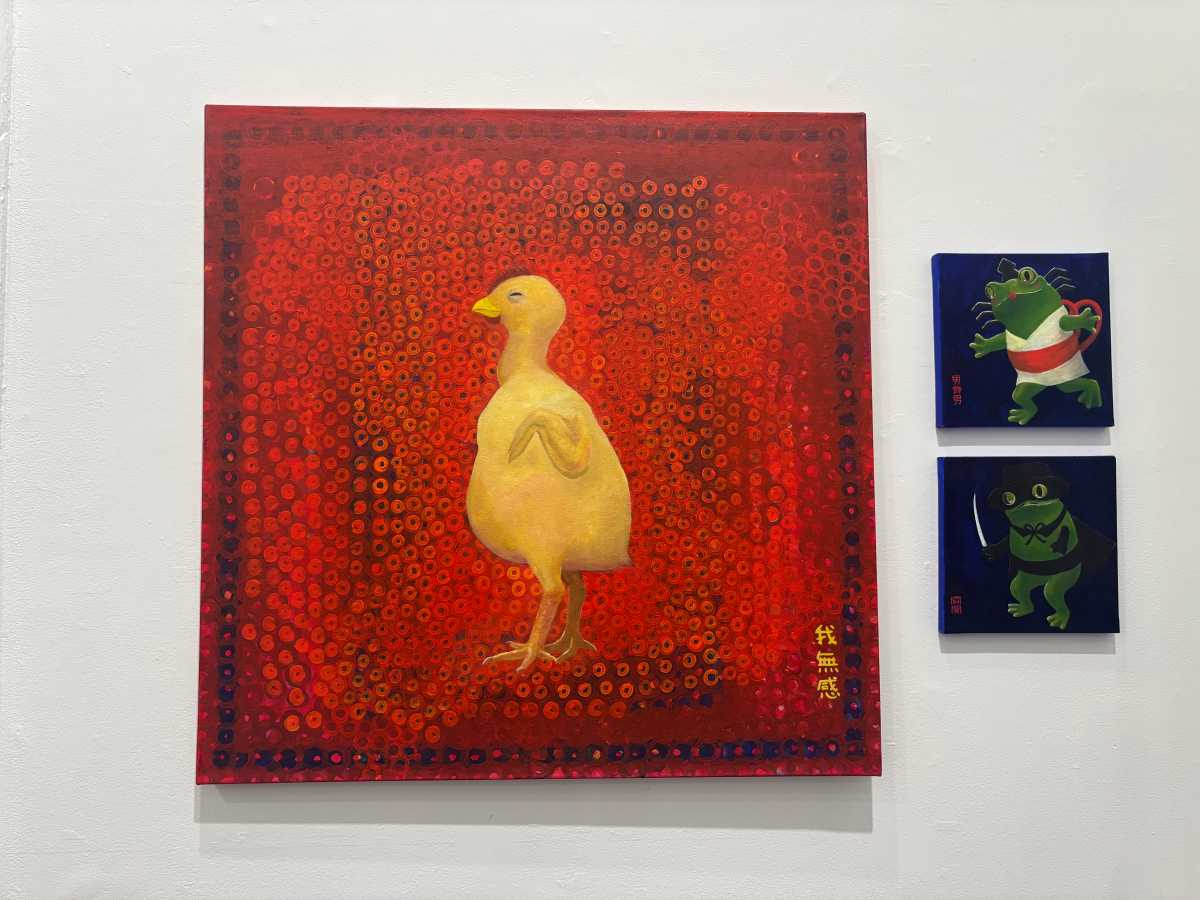
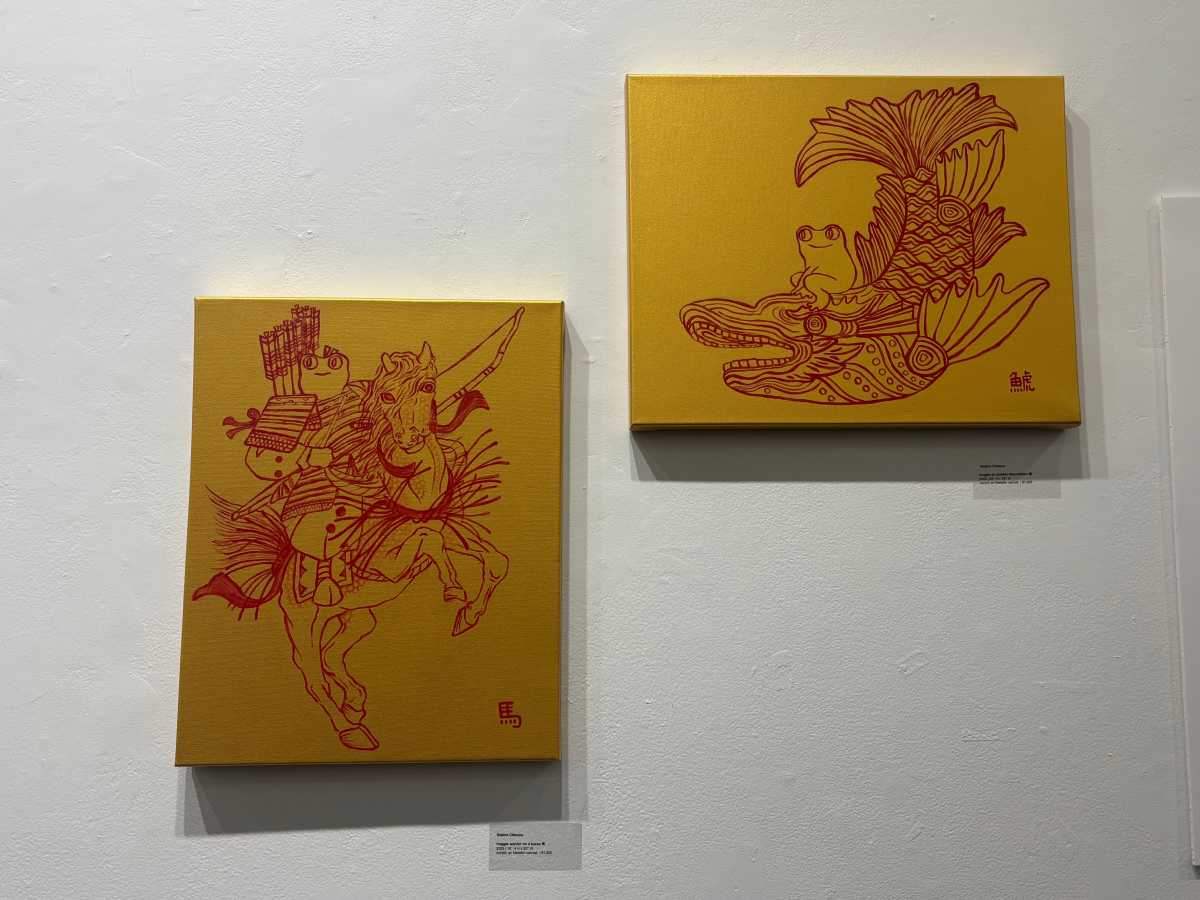
Several of her paintings feature frogs, which Chizuco explained were lucky charms in Japan. She explained that “froggy” in Japanese is “kaeru” which has many different meanings.
“When you spend money, it means it’ll come back to you,” Chizuco explained. “Or, if you have a froggy at home, it means you’ll get home safe.”
Two of her paintings stacked on top of each other at the exhibit feature a frog dressed as a Kabuki performer — a Japanese performing art only featuring men who dress in drag — and a frog dressed as Zorro wielding a knife. “The froggy likes to pretend to be somebody else,” Chizuco said, laughing.
Two of her other scroll paintings also featured frogs as female warriors, riding a red horse and a red fish to demonstrate power and strength.
KC Trommer, director of marketing and community engagement at the town hall, said Lee did a beautiful job curating the art exhibit.
She said the town hall has become a hub for the community to explore cultures, pointing to last November’s Día de los Muertos art exhibit celebrating the Mexican tradition in which friends and family gather and remember family members who have died.
As a writer and artist herself, Trommer said celebrating diversity through cultural traditions is an important part of building community not only in Flushing, but across the country.
“Why would you not do that?” Trommer said. “It’s nice to come together and be surrounded by beauty — around something that’s offering exploration and inquiry and self-reflection. I think this exhibit speaks to the Queens community and is a beautiful display.”
She also gave a special thanks to all organizations that donated funds to make the event possible, including the New York City Department of Cultural Affairs, New York City Department of the Arts, National Endowment for the Arts, Queens Borough President Donovan Richards and the City Council, as well as the Flushing Town Hall staff and all the artists for putting everything together.
She encouraged guests to check out the town hall’s website, FlushingTownHall.org, for more information about upcoming events and programs. The town hall’s next event will feature a Korean rock band, Insun Park and Generals, that will perform on Jan. 31 at 7 p.m. Tickets are available here.
Lee reciprocated Trommer’s gratitude and expressed excitement at sharing the exhibit with the Queens community.
“I’m thankful that Flushing Town Hall always provides support and a venue for the artists,” Lee said. “I’m so blessed to share art with the community.”