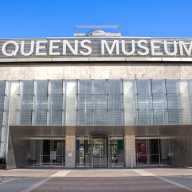
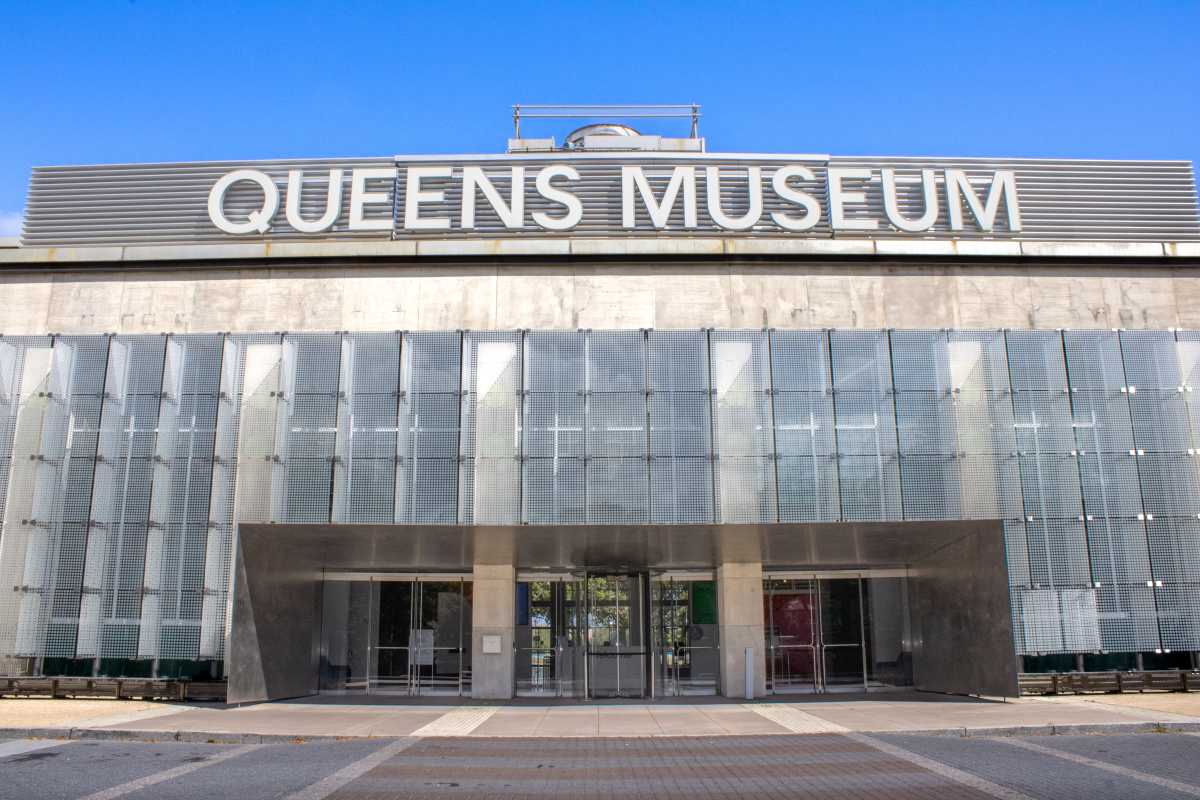
As daylight returns, Queens Museum welcomes March with a lineup of exhibitions that showcase the borough’s diverse voices. From contemporary mediums that focus on the power of community to self-reflective imagery that represents lived experiences, there is no shortage of artworks to observe. All visitors are invited to engage with illustrations that challenge the status quo — one portrait at a time.
If you’re feeling hungry after an afternoon visit, wind down at the Unisphere Café, the museum’s trademark café owned and operated by The August Tree, Inc. A menu filled with satisfying bites and sips, including pandesal-based pastries baked by Arellano Pandesal and homemade orange cider, awaits your indulgence. Adjacent to the café is the Queens Museum Gift Shop, displaying decorative Queens-inspired memorabilia handcrafted by talented artisans.
Whether you’re an avid visitor or a first-time art enthusiast, these March exhibits will have you returning to the iconic local museum throughout the year.
Fia Backström’s The Great Society | (Sept. 13, 2025 to May 17, 2026)

The installation explores universal themes of community and resistance in West Virginia, where environmental devastation and labor activism collided. During Fia Backström’s visits to the area in 2017, she recorded personal accounts from locals, medicine practitioners and activists through a myriad of photographic and video techniques. The artist conveys the theme of overcoming trauma in a region where the Buffalo Creek mine disaster in 1972 resulted in a mass casualty incident.
About Us: The American Imaginary | (Feb. 28, 2026 to Dec. 6, 2026)
Organized by Terra Foundation Fellows Christina Chan, Annette Parkins and Carlos David Trujillo, this exhibition examines three unique perspectives of what it means to be an American. Each of the fellows’ personal experiences explores themes of family history, cultural origin and internal conflict. Through photographic recollections and introspective storytelling, the installation sheds light on the question, “What is American about American Art?”
Glori Tuitt’s Black, Trans, & Alive (Qweens Song) | (Oct. 1, 2021 to Present)
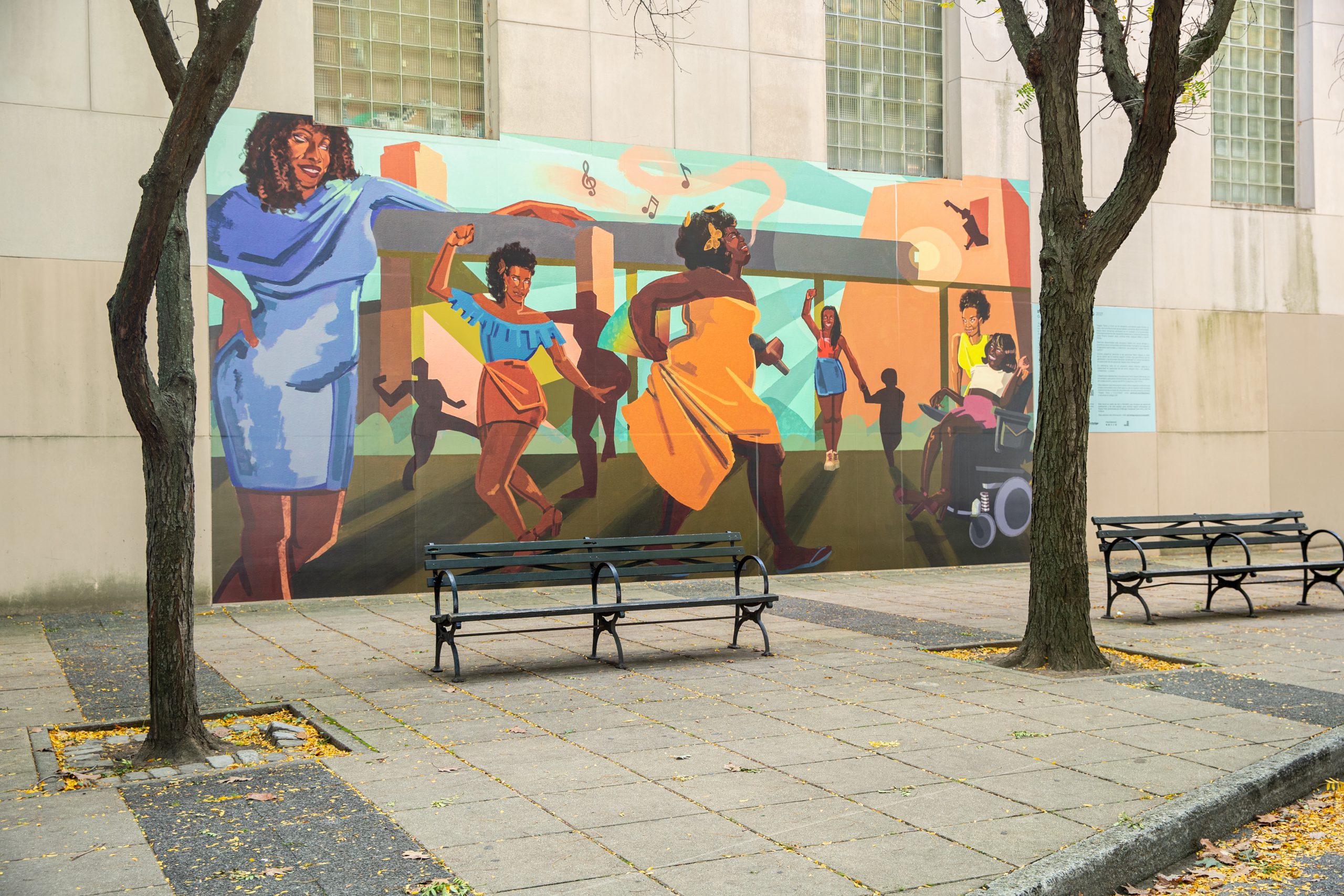
Best viewed from the left-hand side of the museum parking lot, the mural represents the societal contributions of Black trans people in NYC. Glori Tuitt handcrafted the mural after being selected to participate in Not a Monolith, a creative initiative for Black artists entering the NYC arts scene. The mural’s overall message reminds viewers of a motto that resonates with the city’s cultural landscape: Black trans lives matter.
The Panorama of the City of New York | (Ongoing)
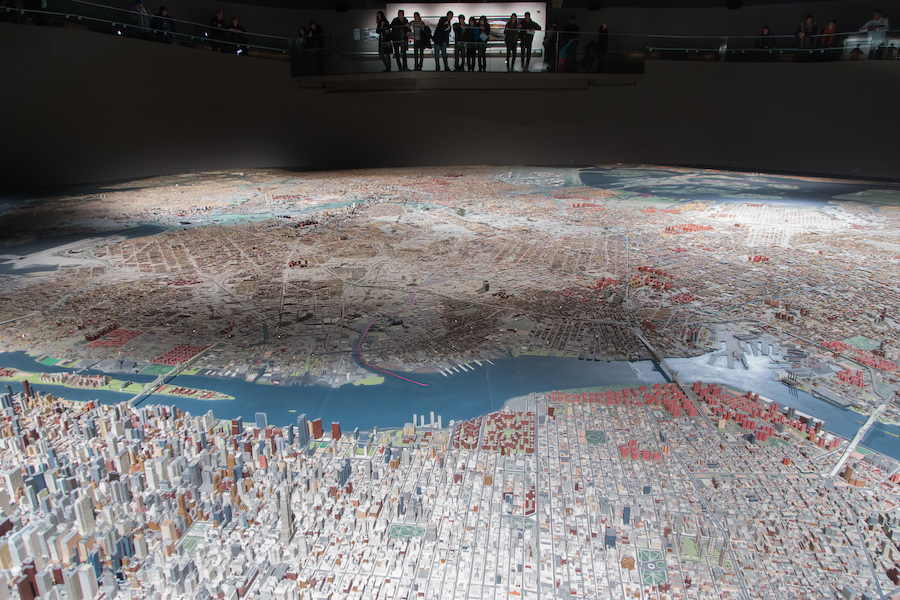
If you want to observe one of the most unique art installations in the city, you have found the place. Renowned as “the jewel in the crown of the Queens Museum collection,” this artwork remains a beloved fixture for locals and tourists alike. The architectural model was brought to life by Raymond Lester & Associates, a firm that once specialized in the construction of intricate miniature models, in a three-year process. It has been said that over 100 architects created the estimated 9,335-square-foot behemoth. First unveiled at the 1964-65 World’s Fair, the handcrafted urban scenery of the five boroughs continues to captivate millions of visitors.
The Relief Map of the New York City Water Supply System | (Ongoing)
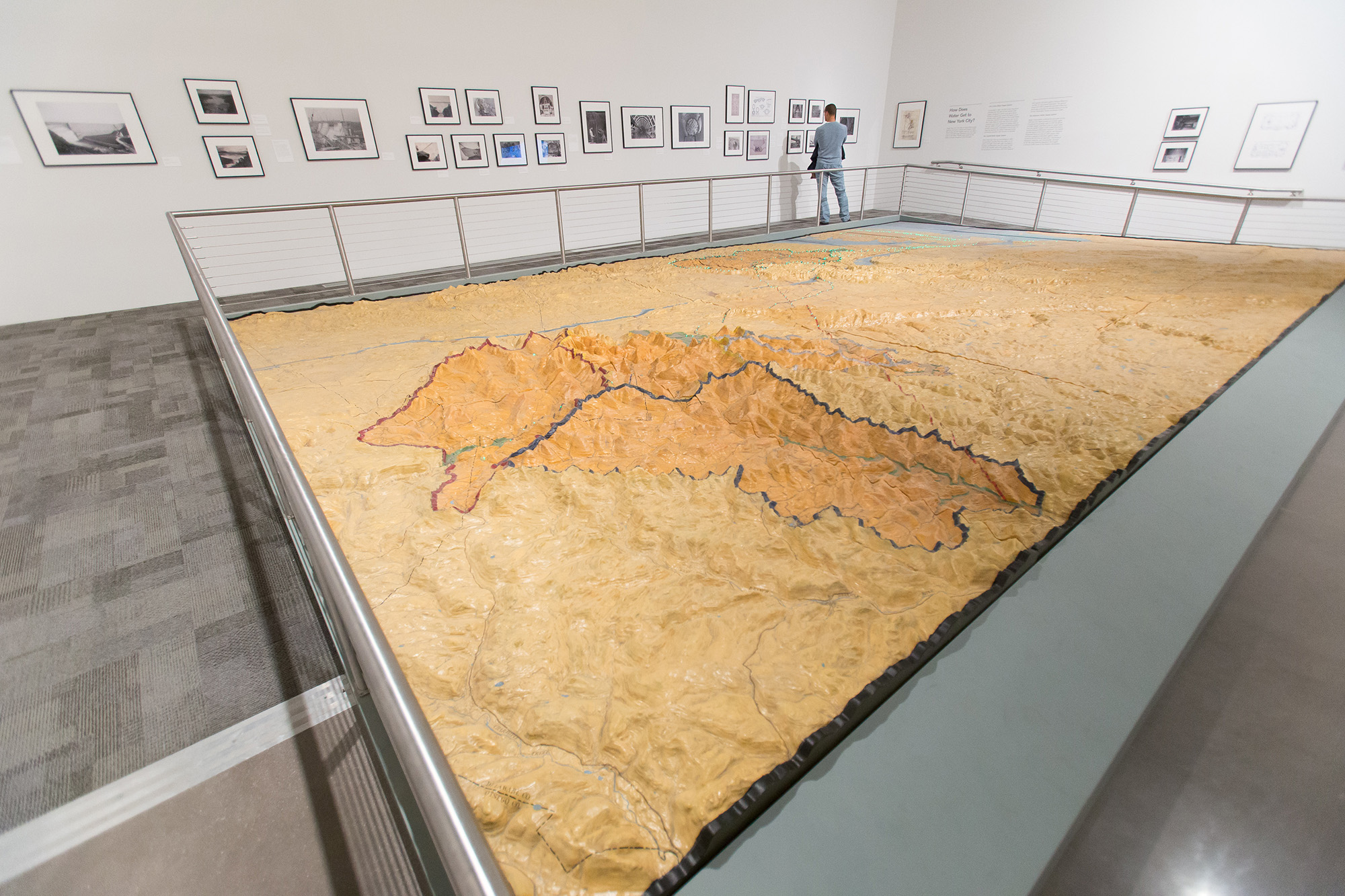
Speaking of intricate miniature models, Queens Museum is also home to a topographical model that illustrates reservoir terrain from Upstate New York to NYC. Originally revealed in 1949, it was restored in 2008 as part of a collaboration between the Department of Environmental Protection (DEP) and Queens Museum. The city’s complex water infrastructure, currently presented in a visually appealing form, is a sight to behold.
For more information on future exhibitions and events, visit the calendar.