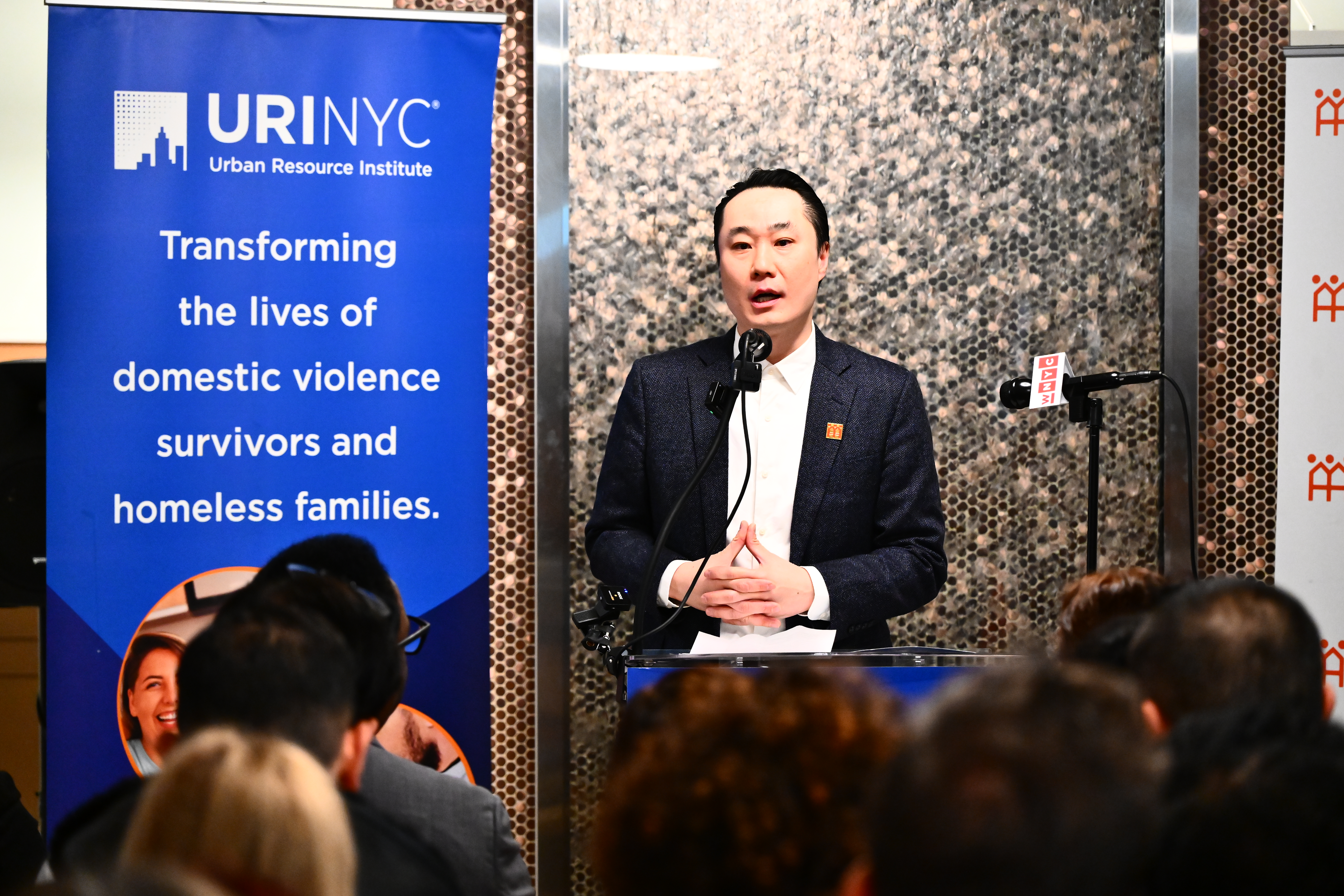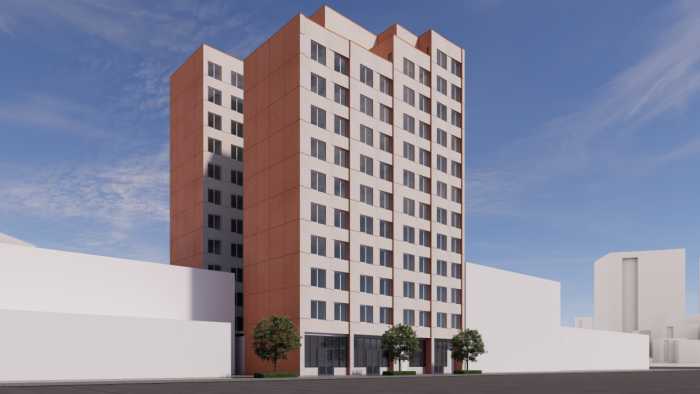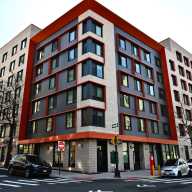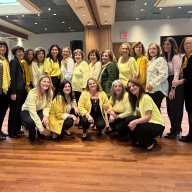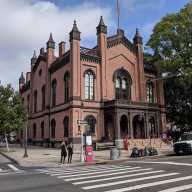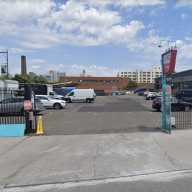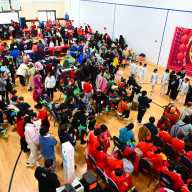
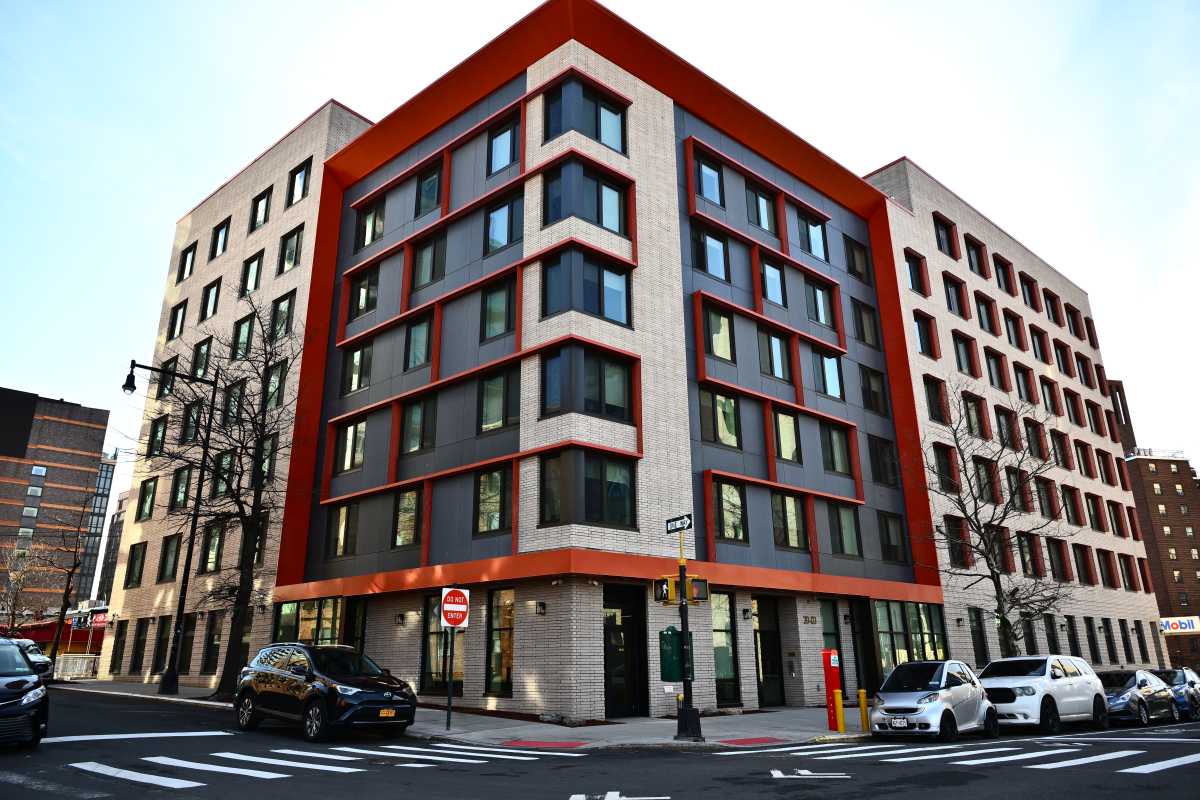
Several local elected officials and community leaders were on hand to celebrate the opening of Magnolia Gardens, a transitional family housing facility with 90 residential units at 39-03 College Point Blvd. in Flushing.
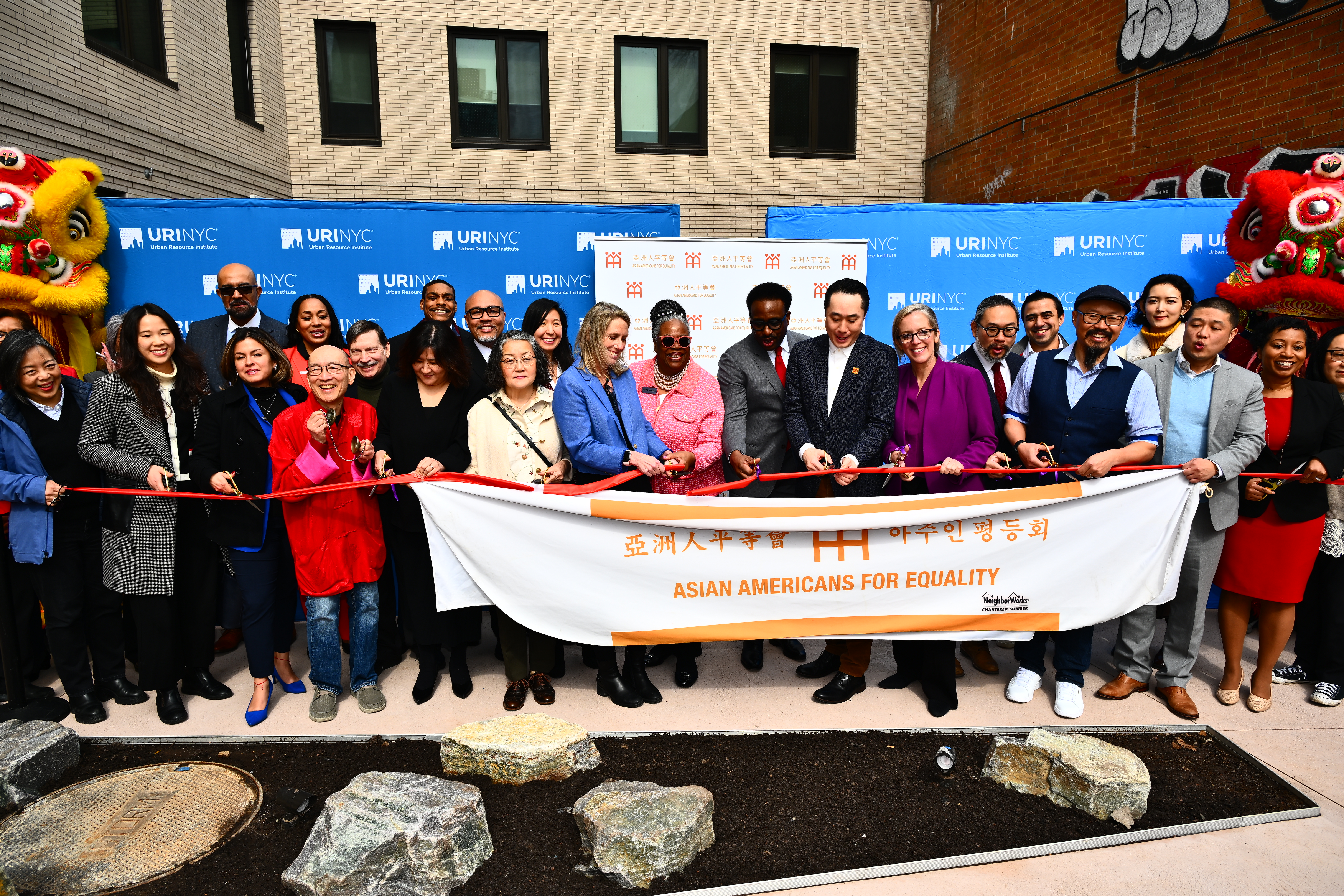
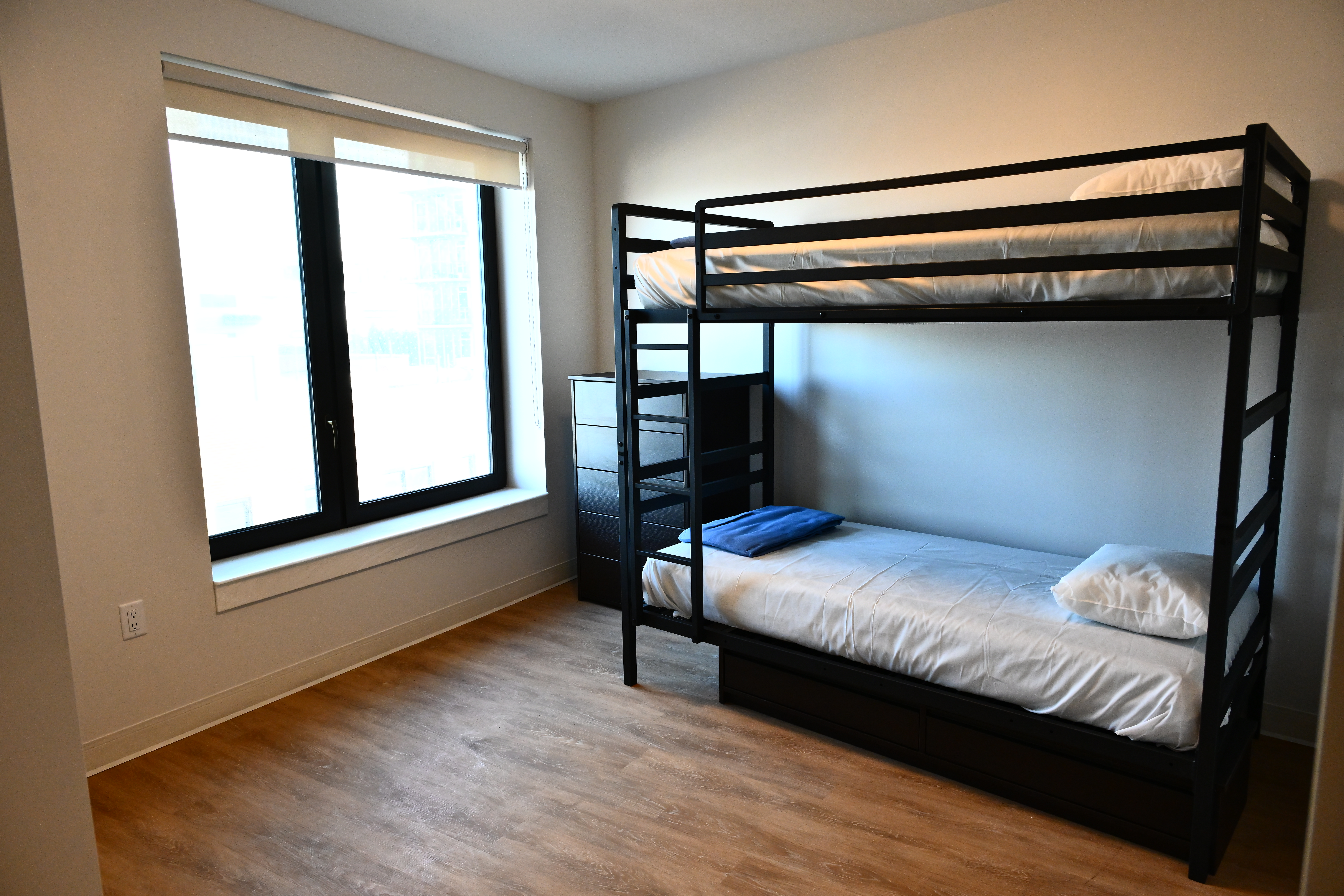
The 7-story facility marks the first pet-inclusive family shelter in the neighborhood, as well as the first transitional shelter in New York City built to Passive House standards. The 90 apartment-style units are intended for homeless families.
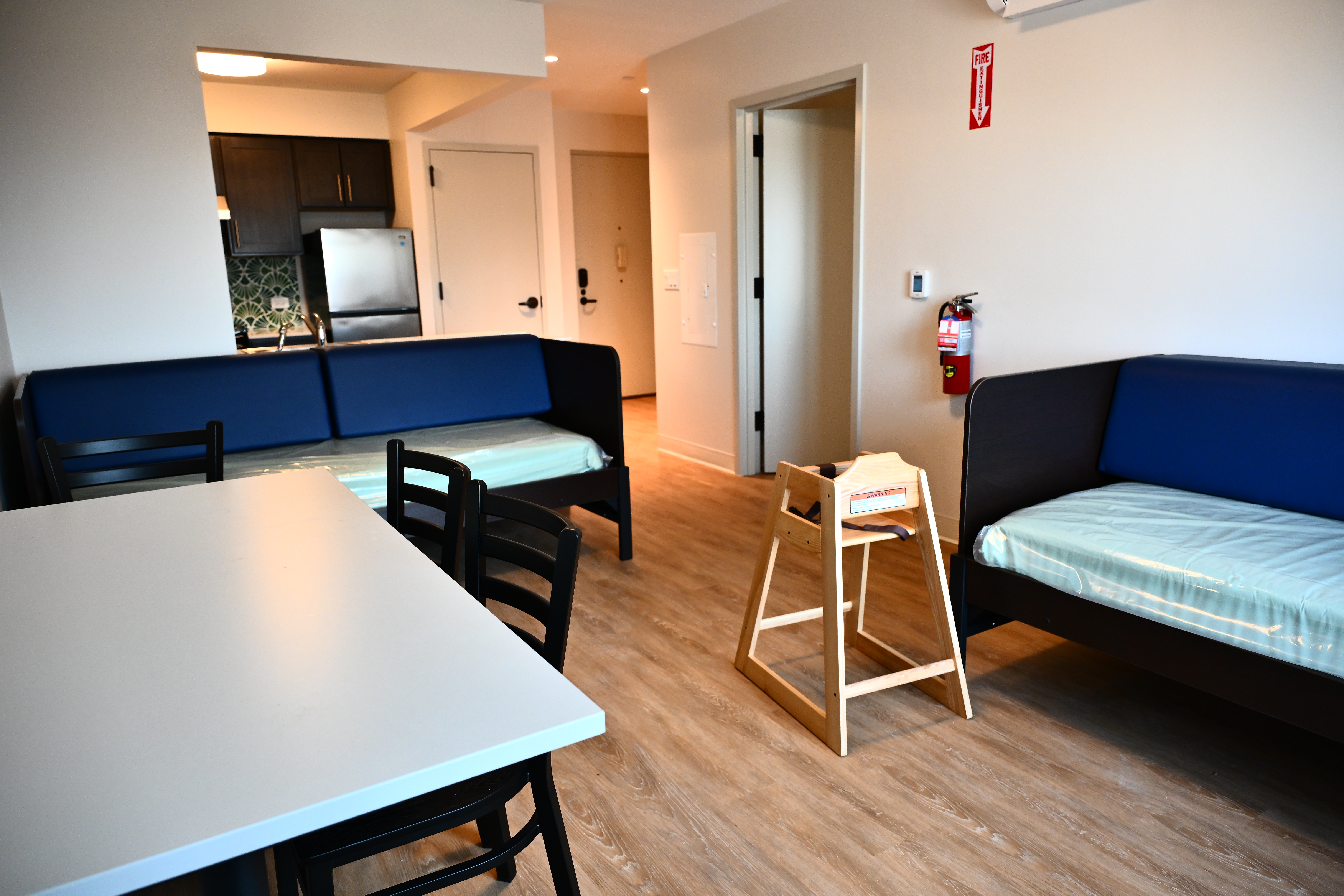
Supporting the Urban Resource Institute’s People and Animals Living Safely program, the building allows for pets in designated units. The Urban Resource Institute and Asians Americans for Equality also lead a housing services and retention collaborative at Magnolia Gardens that brings together Flushing-based nonprofit groups to help expand awareness of transitional housing options and improve access to culturally responsive services.

Among those on hand for the grand opening celebration were Queens Borough President Donovan Richards, Assemblymember Ron Kim, Urban Resource Institute Chief Executive Officer Nathaniel Fields, Senior Vice President of Housing Initiatives Angela Thompson, General Counsel Lydia Wong and Chief External Affairs Officer Lauren Schuster, New York City Department of Social Services Commissioner Erin Dalton, New York City Deputy Mayor for Health and Human Services Dr. Helen Arteaga, Community Board 7 Member Peter Tu and Asian Americans for Equality Executive Director Thomas Yu.
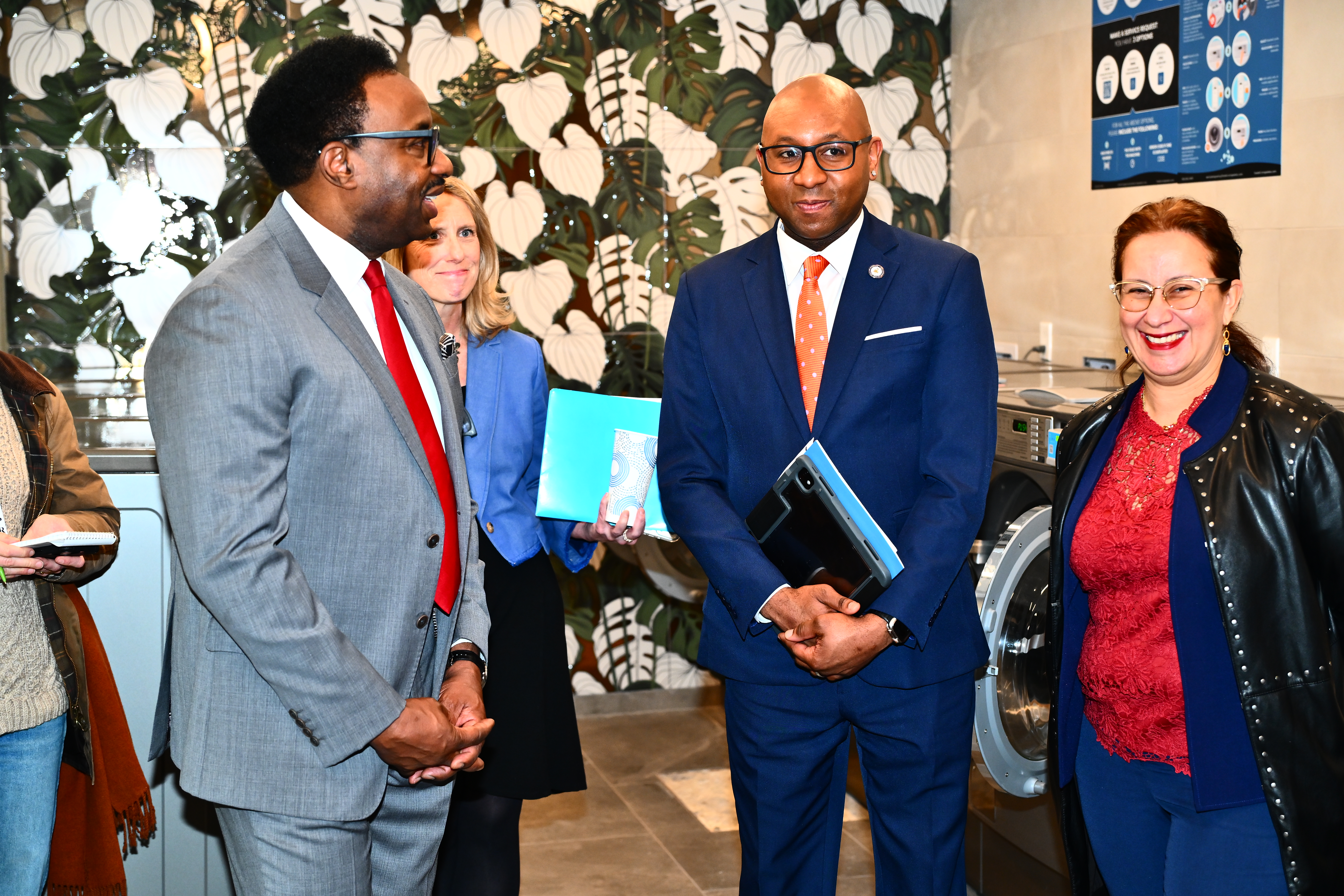
“New York City’s charter guarantees the right to shelter — and this Administration is committed to ensuring that shelters are not just accessible but also livable, safe and high quality. Magnolia House is exactly the type of shelter this Administration is committed to opening,” New York City Deputy Mayor for Health and Human Services Dr. Helen Arteaga said. “New Yorkers experiencing homelessness deserve to live dignified lives in high-quality, culturally diverse shelters, like Magnolia, that represent the security and stability we’re promising in this new era for the City.”
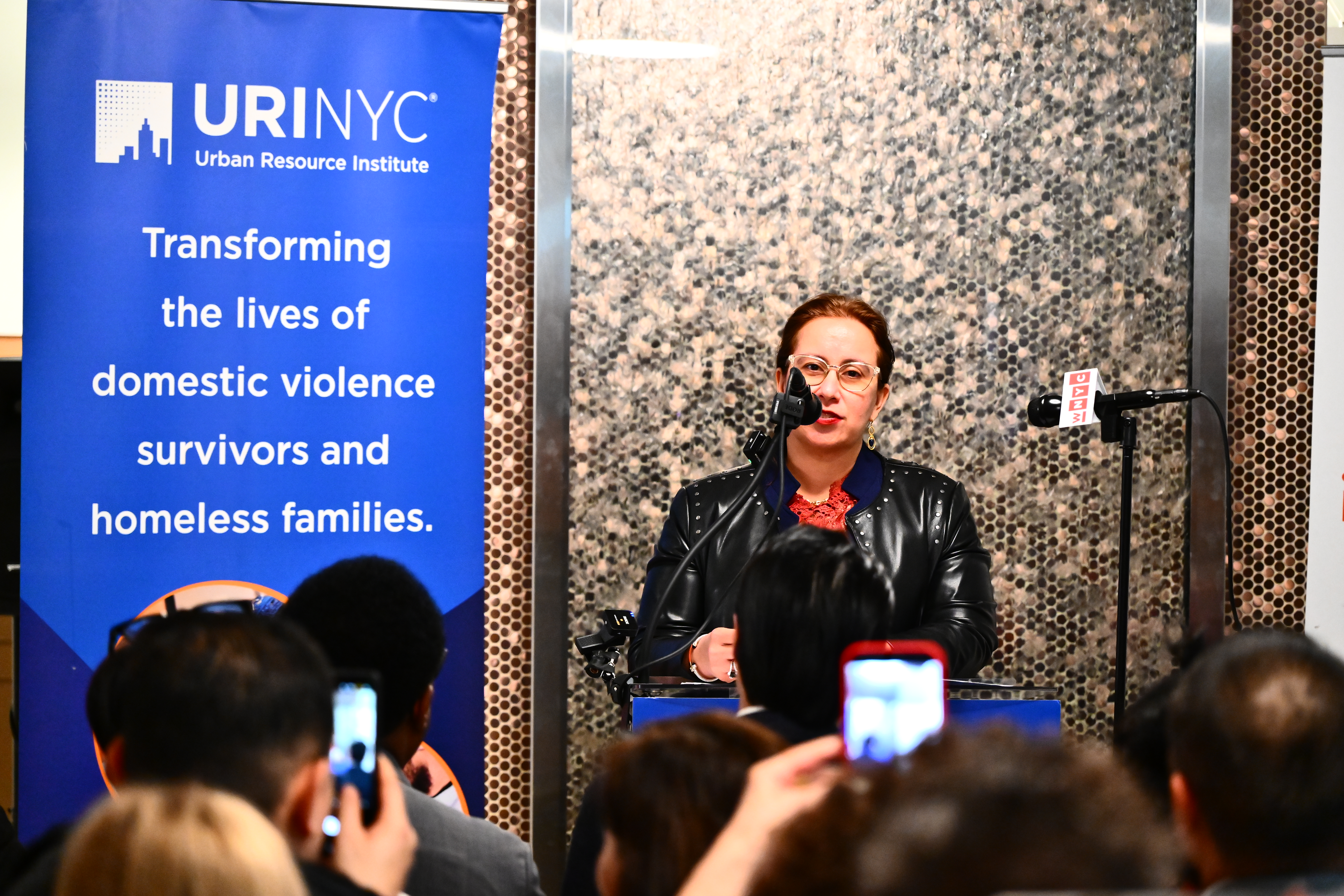
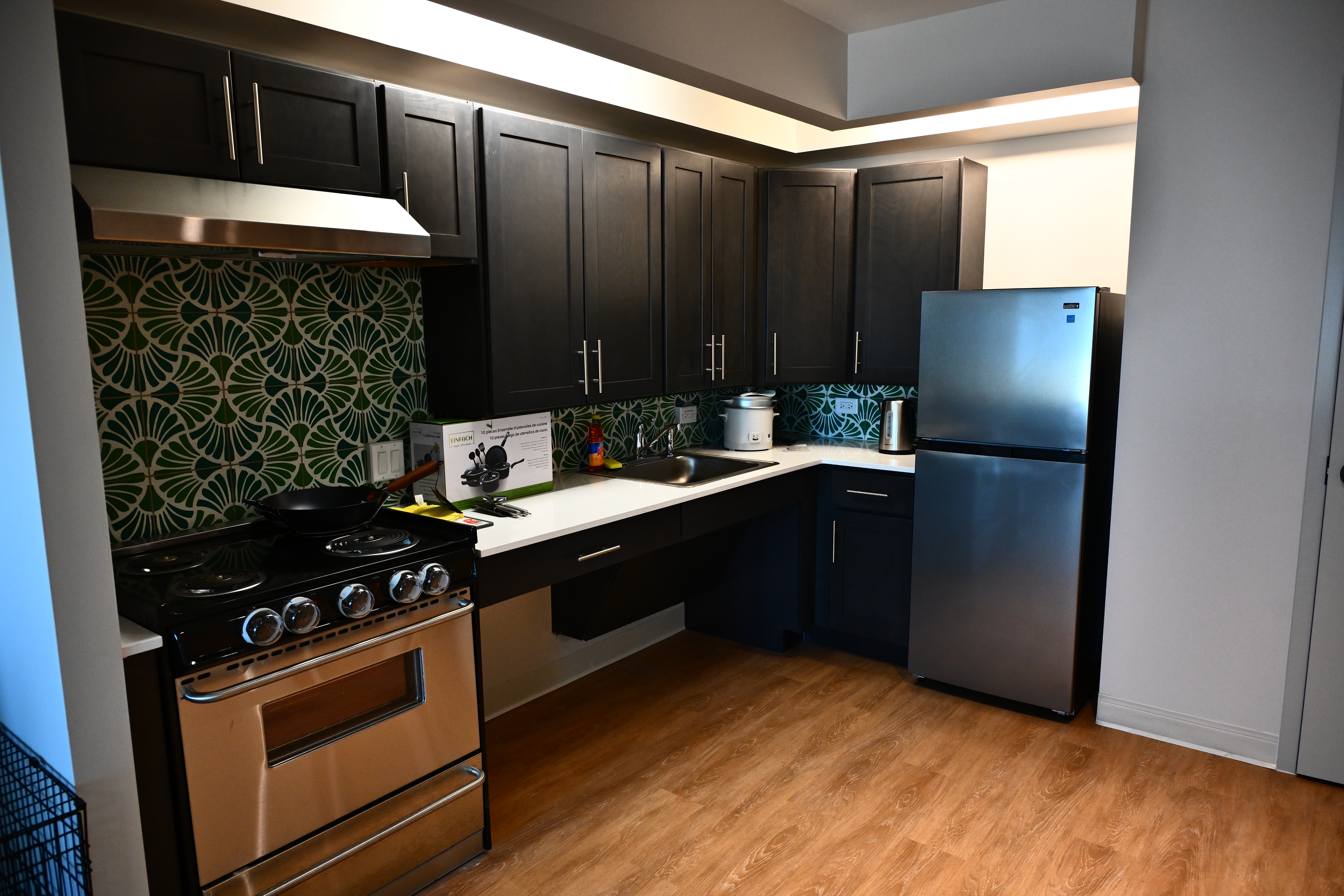
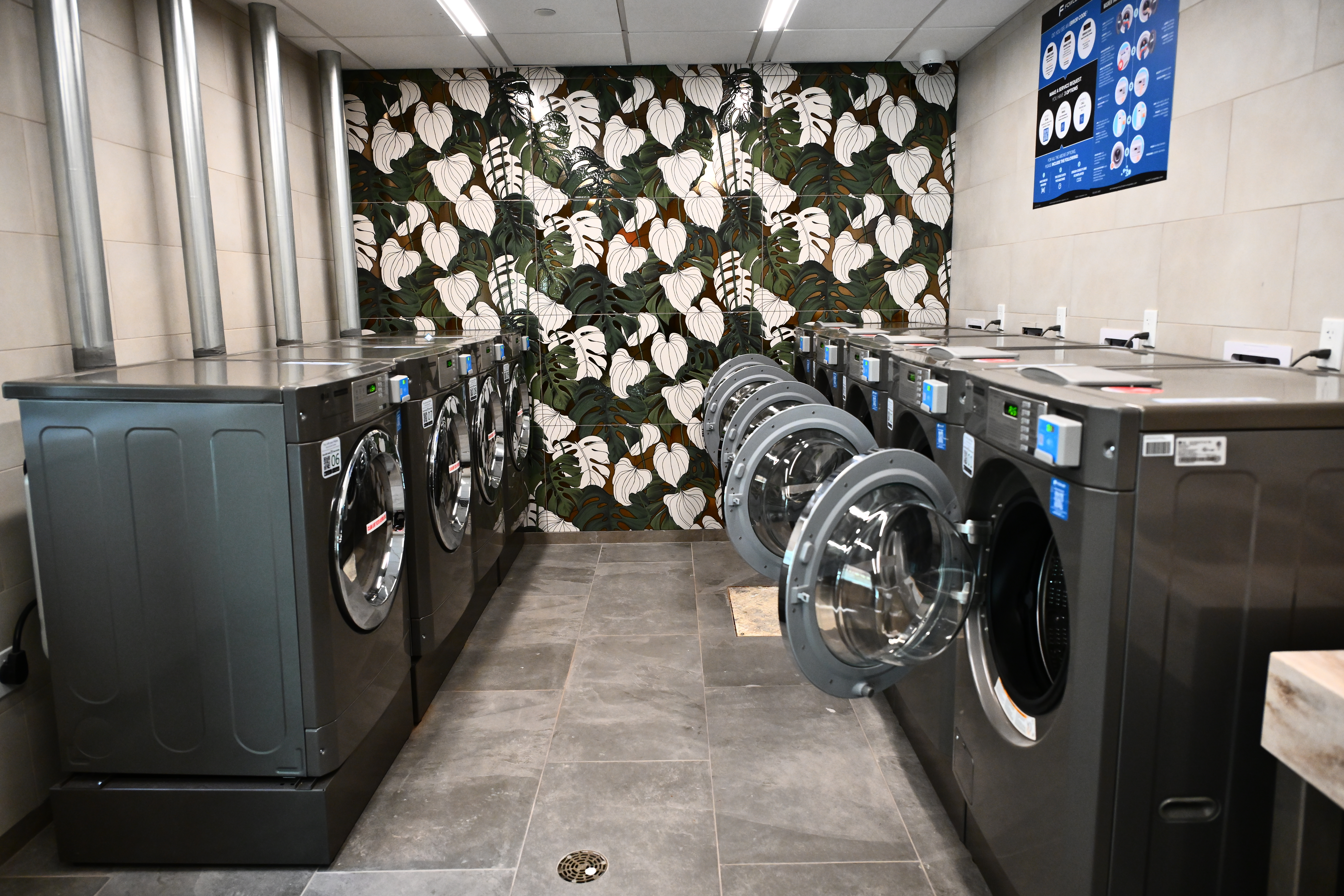
Magnolia Gardens features a highly insulated and airtight construction, advanced ventilation systems and efficient heating and cooling, with the latter meant to reduce energy use and improve indoor air quality. All these features are intended to create a healthier, quieter and more resilient living environment for families while reducing long-term environmental impact.
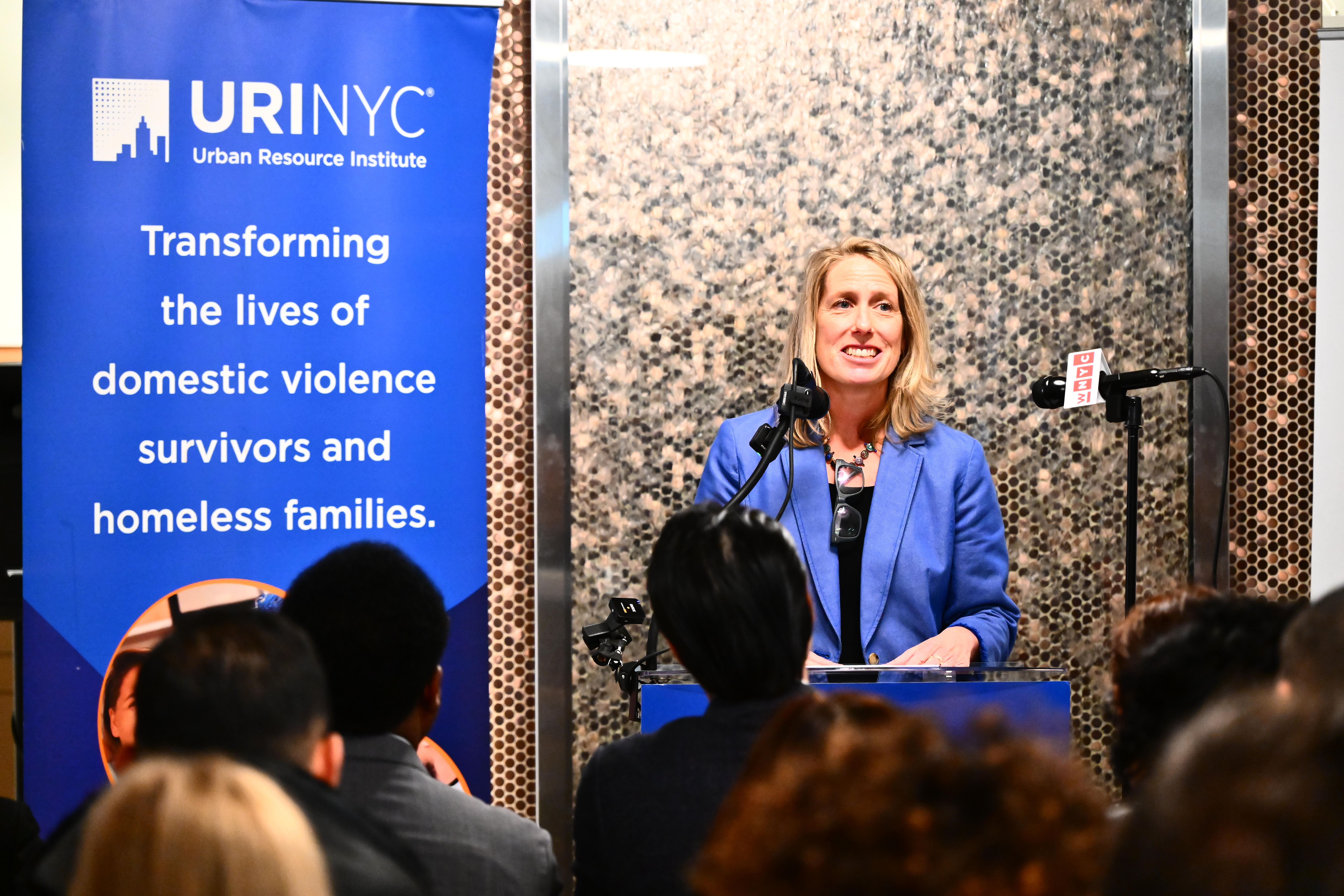
“Magnolia Gardens exemplifies the city’s efforts to transform the shelter system by enhancing supports for vulnerable New Yorkers as we look to phase out the use of older shelter sites that don’t meet our standards. We are investing in novel shelter development models that empower our not-for-profit partners to own sites which are designed to meet the unique needs of our clients and ensure high-quality, trauma-informed settings that are foundational to helping them stabilize their lives,” Department of Social Services Commissioner Erin Dalton said. “With the opening of this site, we are building on our long-standing partnership with the Urban Resources Institute, which has helped countless families get back on their feet and secure long-term housing stability. To see the realization of our investments in innovative models that continue to raise the bar reinforces our commitment to embracing bold ideas that reimagine the city’s transitional housing ecosystem for vulnerable New Yorkers.”
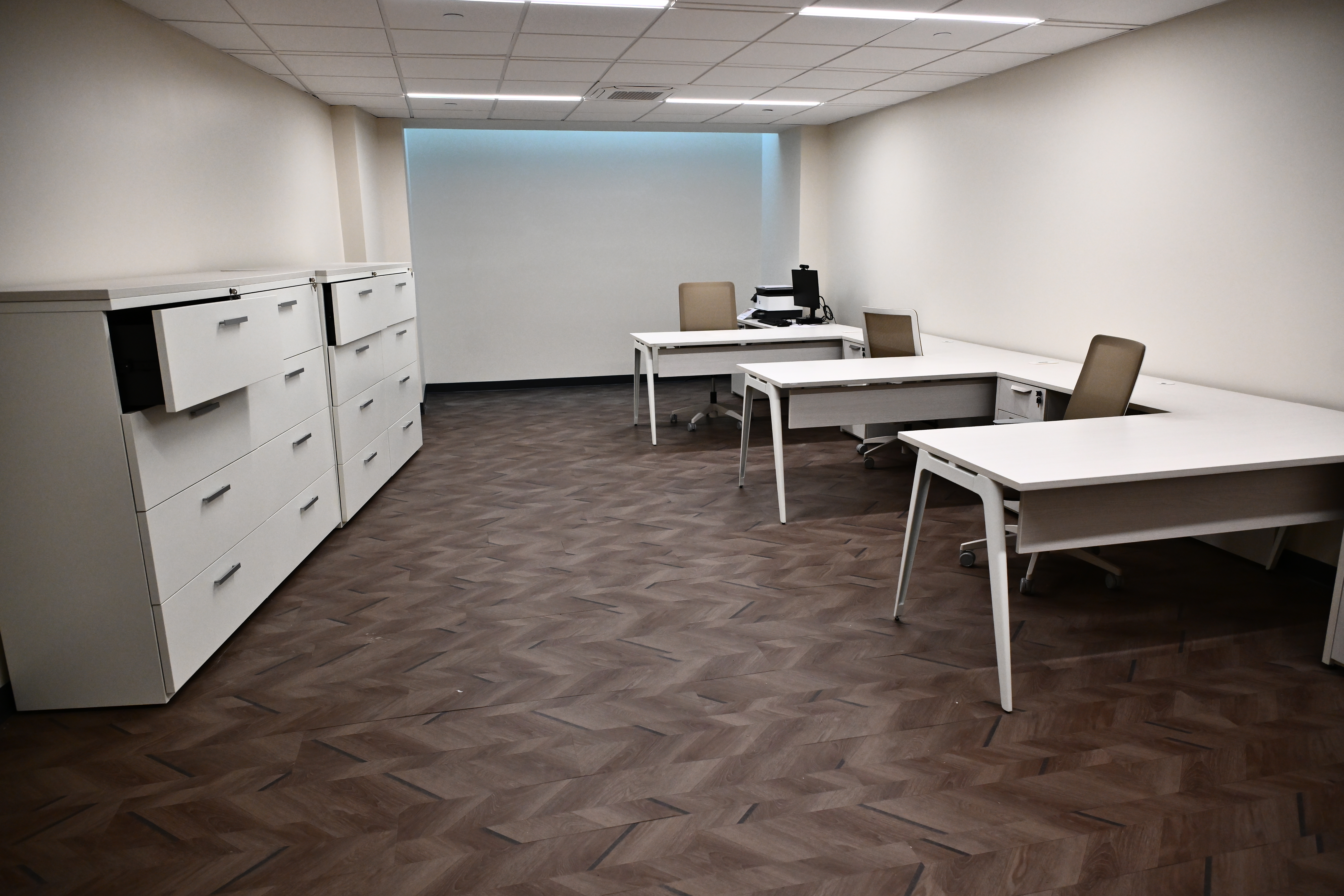
Designed as a culturally responsive, trauma-informed facility, Magnolia Gardens has multilingual, 24-hour family-centered services available to residents. This includes case management, housing navigation, job readiness training, financial coaching and therapeutic support intended to help these residents transition into permanent housing.
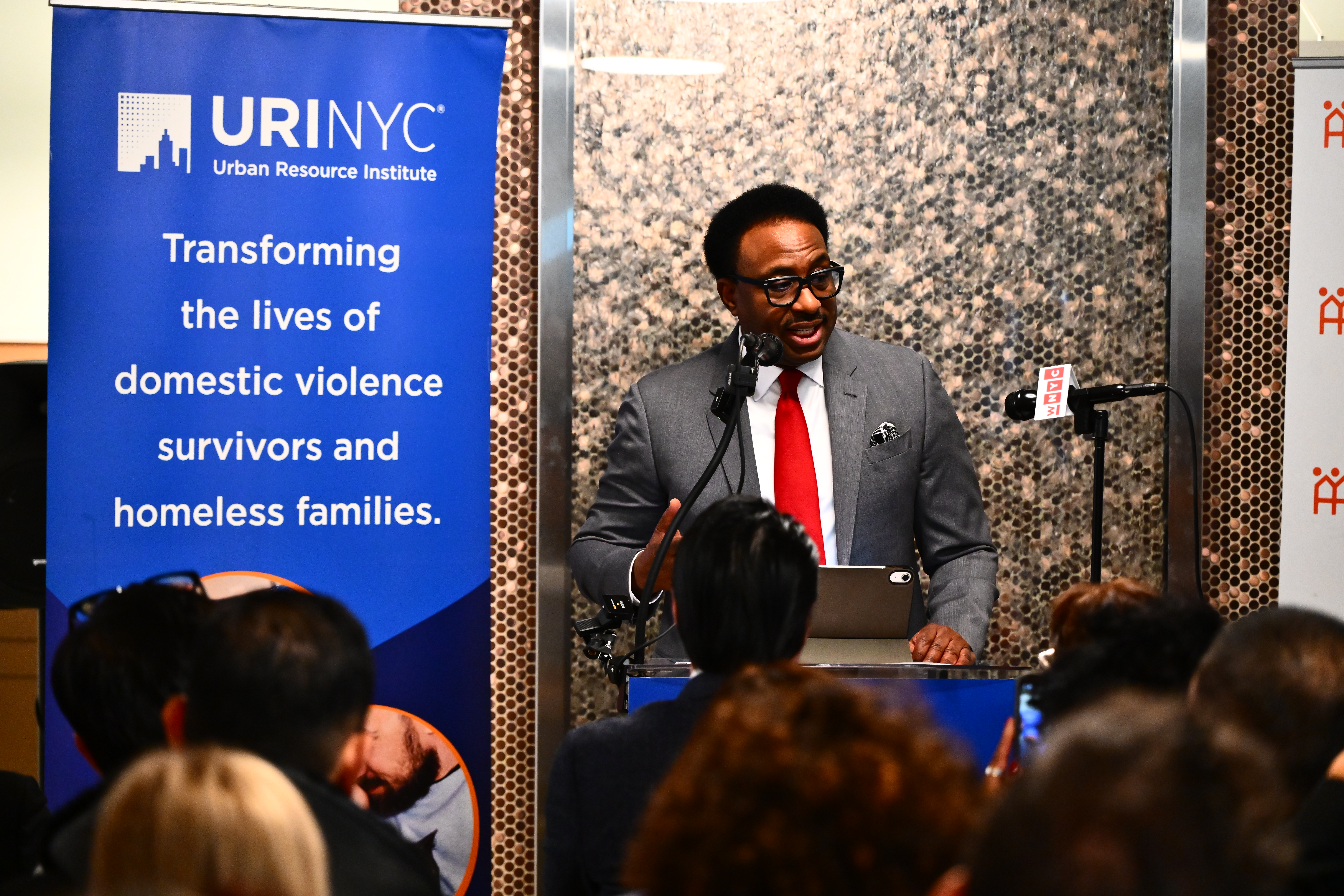
“As a city, we must lead with innovation and humanity. Magnolia Gardens is the first facility of its kind in Flushing and Queens, and it has been a long time coming. We are proud to open a space where families can find safety, stability and dignity when they need most,” Urban Resource Institute CEO Nathaniel Fields said. “Magnolia Gardens will be first facility in New York City where families entering shelter through the NYC PATH intake system can bring their pets with them through our People and Animals Living Safely (PALS) program, removing a barrier that has kept too many families from seeking help. This project reflects URI’s deep commitment to culturally responsive care. Flushing is one of the most diverse communities in New York City, and we worked closely with our partners, developers and the local community to ensure this building reflects and respects that diversity. From multilingual services to thoughtful design and programming, Magnolia Gardens was built to meet families where they are and create an environment where every family feels seen, welcomed and supported.”
Families will be referred to Magnolia Gardens through New York City’s intake system. Queens-based families will be prioritized, allowing for community ties and school continuity to be maintained.
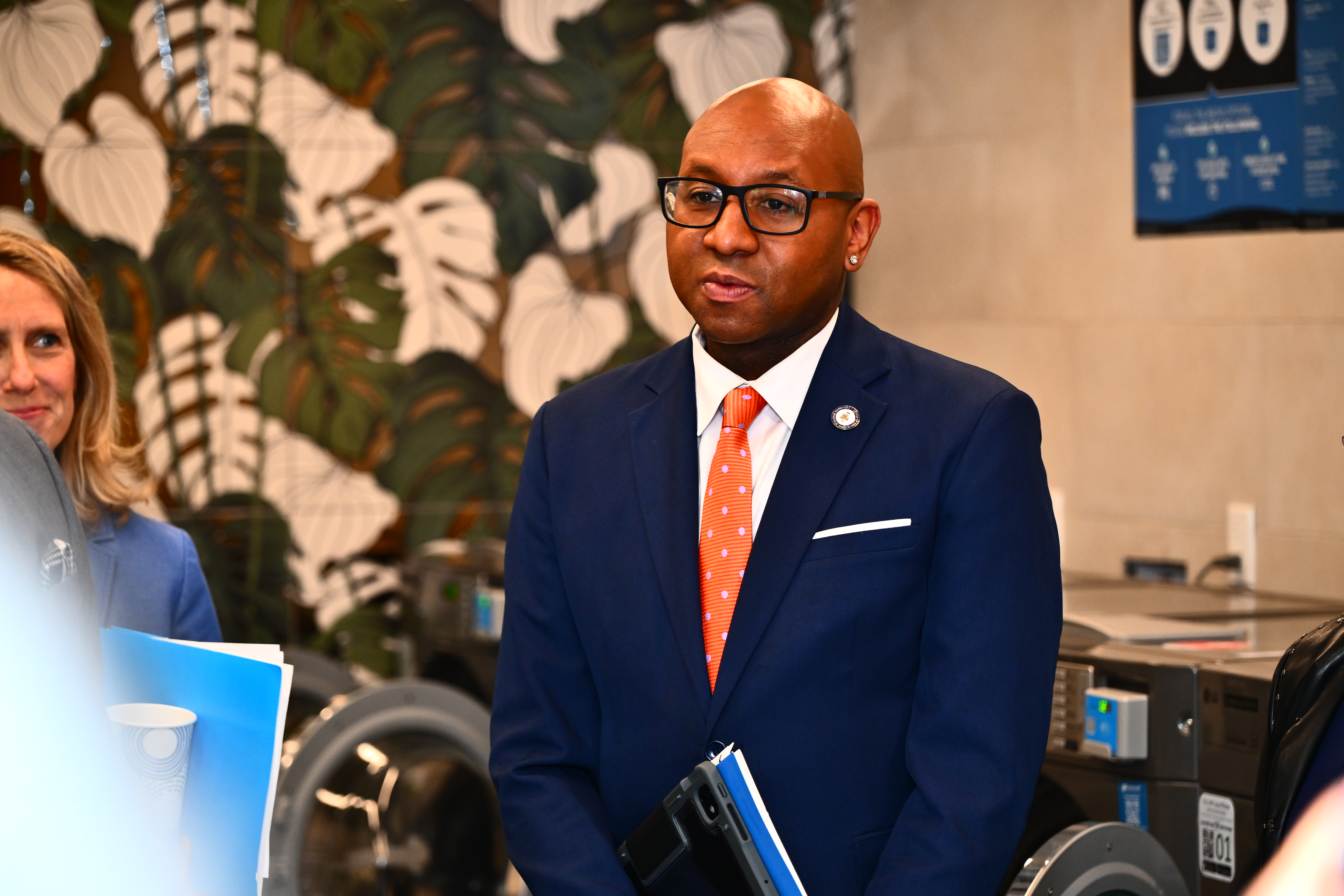
“With more than 85,000 New Yorkers, including nearly 30,000 children, currently living in city homeless shelters, we must move with a sense of urgency in building homes for those in need of one the most. That’s why I’m so excited to help cut the ribbon on the new Magnolia Gardens complex in Flushing,” Queens Borough President Donovan Richards said. “Welcome home to the 90 families moving into Magnolia Gardens and thank you to our partners at Asian Americans for Equality and the Urban Resource Institute for their commitment to building high-quality and culturally competent supportive housing.”
Urban Architectural Initiatives designed Magnolia Gardens. The building was developed by the Urban Resource Institute, the New York City Department of Social Services and Asian Americans for Equality.
“Magnolia Gardens is a bold and innovative response to the persistent housing crisis in New York City and the desperate need in our community for high-quality transitional housing,” Asian Americans for Equality Executive Director Thomas Yu said. “The need was demonstrated once again last month when our elected officials approached AAFE to partner on potential housing options for residents displaced by a devastating fire in Elmhurst, Queens. Two years ago, AAFE established a navigation program, with services in Chinese and Korean, to help families with children access Magnolia Gardens and other transitional housing opportunities. We are looking forward to working with our community partners and elected officials to ensure this program is sustainable and has the resources required to meet the needs of Flushing’s most vulnerable families.”