
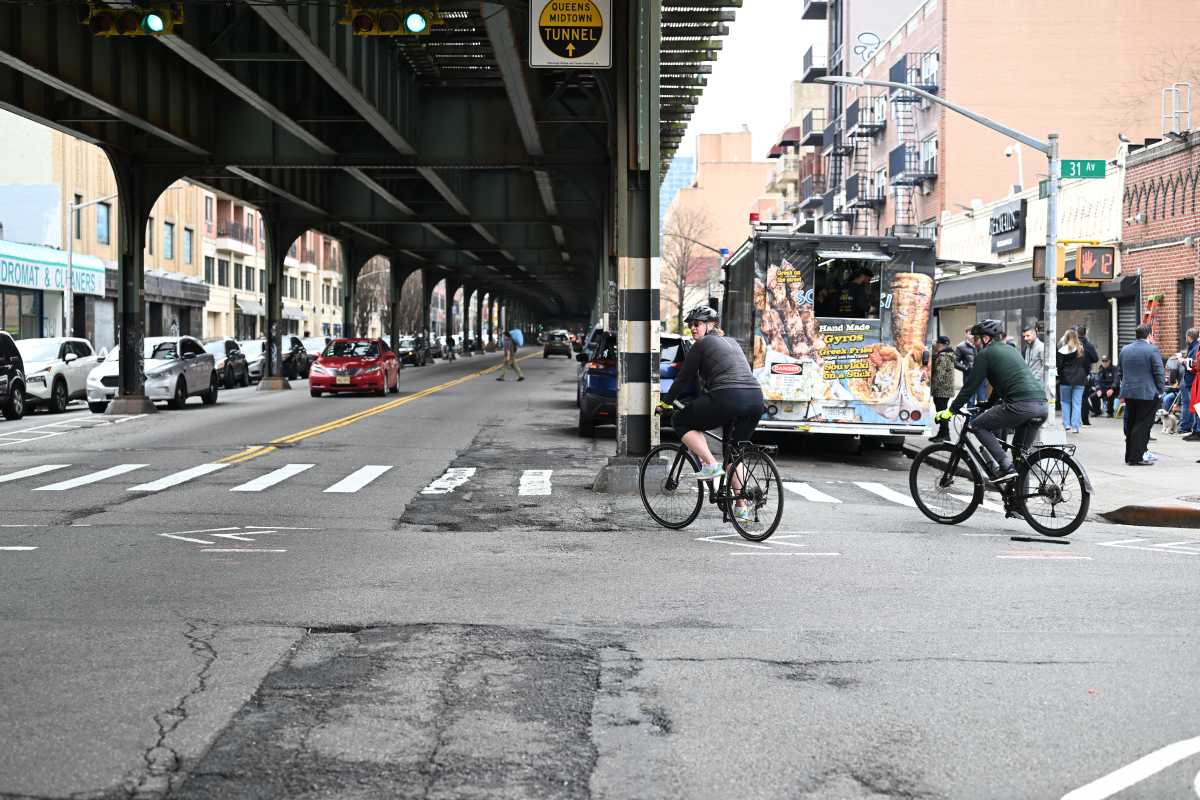
A Queens judged has ordered the Department of Transportation to halt a planned protected bike lane on Astoria’s 31st Street in a surprise ruling that defies legal precedent in the city.
Judge Chereé Buggs sided with a number of local businesses and residents who had filed suit against the city, arguing that plans for protected bike lane were rushed and presented a hazard for pedestrians and motorists along 31st Street.
On Friday, Buggs ordered the DOT to halt plans for the street redesign, which covered a mile-long stretch of 31st Street from 36th Avenue to Newtown Avenue. Buggs has also ordered the agency to restore the roadway to its original designed after a section of the protected bike lane was installed on one side of 31st Street between 31st Avenue and Broadway over the summer.
A coalition of local businesses and residents sued the city shortly after that work began in August, accusing the DOT of violating proper procedures by failing to properly engage with the local community about their concerns.
Buggs sided with the plaintiffs, ruling that the DOT had failed to comply with mandatory consultation and certification requirements with agencies such as the Department of Small Business Services (SBS) and the Mayor’s Office for People with Disabilities.
Buggs also cited concerns raised by the FDNY after the Fire Department informed the DOT in July that the street redesign would not permit it to operate at “full capacity.” The Fire Department further warned that the implementation of the redesign would “negatively impact FDNY emergency response and fireground operations, delaying Fire Department personnel and their resources for fire suppression.”
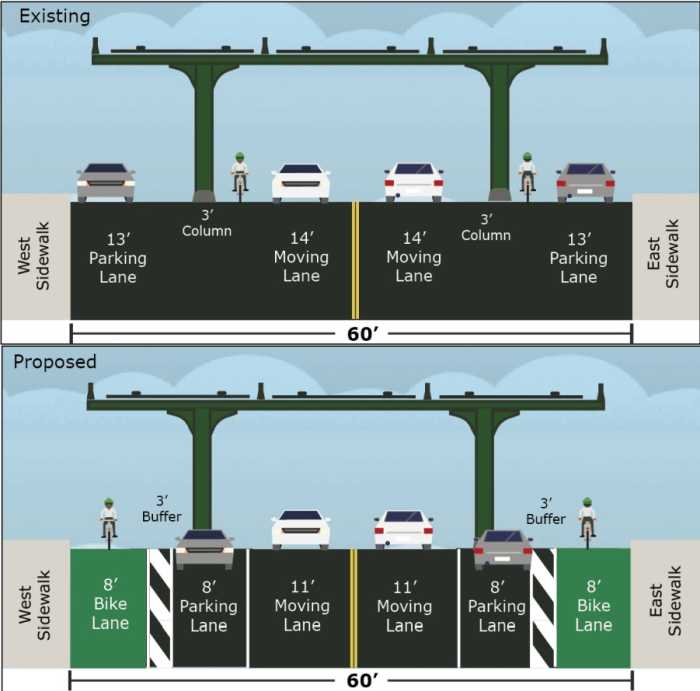
The DOT had insisted that emergency vehicles would be able to make use of an eight-foot bike lane and a three-foot buffer to reach the curb and respond to emergencies. Buggs said the DOT had provided no “concrete rebuttal” to the FDNY’s concerns.
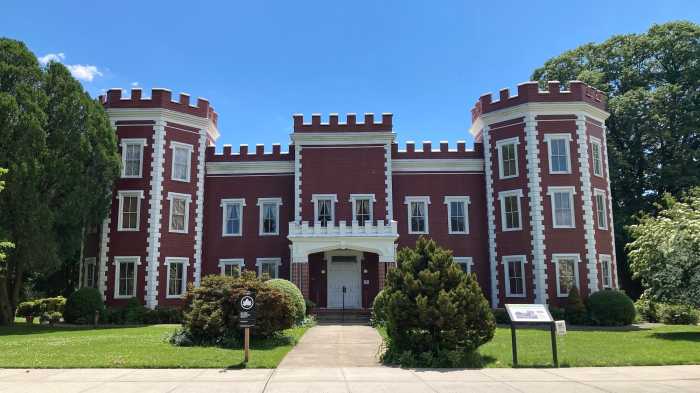
Buggs also ruled that the DOT’s response to concerns raised by St. Demetrios School, a Greek-American school located at 30-03 30th Dr., was “insufficient.”
School representatives had stated that the proposed bike lanes would run directly through drop-off and pick-up zones used by parents and students, adding that the bike lanes would create “unacceptable risks.”
The DOT had argued that it engaged with the school on several occasions to address those concerns, but Buggs ruled that the agency had failed to show that it had “practically resolved” the core concern.
The DOT now has 30 days to comply with a court order to remove the section of the bike lane that it has already installed, according to the ruling.
Buggs’ ruling is unprecedented, with similar legal challenges often dismissed in the past as judges sided with the DOT.
The agency had called for protected bike lanes on both sides of 31st Street in a bid to improve street safety along the corridor, pointing to two fatalities and 11 serious injuries that took place between 2020 and 2024.
The mile-long stretch of 31st Street is among the most dangerous roads in Queens, according to DOT data, with a total of 178 injuries recorded on the corridor over the five-year period. DOT data cites “multiple instances” of cyclists getting “doored” – referring to when a cyclist collides with a car door that has been opened– while over 30% of pedestrian injuries have been caused by left-turn crashes.
However, a number of local businesses had launched a petition against the bike lanes, arguing that the infrastructure would reduce access to their business as well as creating unsafe conditions for children accessing St. Demetrios School.
The 31st Street Business Association, which joined the lawsuit against the bike lanes, said in a statement that it was pleased with the Dec. 5 ruling, describing the 31st Street protected bike lane as a “dangerous plan that would have made our streets and community less safe.”
The organization had consistently called on the DOT to install a bike lane on a residential corridor running parallel to 31st Street such as 33rd Street, where there are fewer storefronts and less traffic.
The group said it remains committed to collaborating with the DOT to find an appropriate location for the protected bike lane following Friday’s ruling. They also accused the agency of refusing previous suggestions.
“We are eager to participate in a genuinely collaborative process with DOT to improve street safety for everyone: including pedestrians, older adults, young children, people living with disabilities, public transit users, cyclists and motorists,” the 31st Street Business Association said in a statement.
“We have made numerous suggestions to DOT, all of which have been ignored in favor of a one-size-fits-all panacea of bike lanes. It is our hope that this ruling will make real partnerships between DOT and our city’s communities—all of whom deserve safe streets—possible.”
Plans for the 31st Street protected bike lanes formed part of the Western Queens Street Safety Plan proposed in 2023 by a number of elected officials, including State Sen. Kristen Gonzalez, Assembly Member Jessica González-Rojas, Council Member Tiffany Cabán and Mayor-elect Zohran Mamdani.
Elected officials had described the Western Queens Street Safety Plan as a “multi-year planning process” that aimed to make Western Queens safer for all residents. Several elected officials expressed disappointment following Friday’s ruling.
González-Rojas said in a statement that the ruling was “profoundly disappointing” and “deeply dangerous” for local residents.
“Removing a protected bike lane on one of the most hazardous corridors in Queens is terrible news for pedestrians, cyclists, and drivers alike. I look forward to working with the City, local businesses, and residents to find a path forward that prioritizes safety for everyone,” González-Rojas said in a statement.
Cabán, meanwhile, said the ruling “puts lives at risk” by removing plans for “proven safety measures.”
“Almost 200 people have been injured on 31st Street in five years. Slashing proven safety measures in the face of this danger is unacceptable,” Cabán said.
“This project would save lives. It would make our neighborhood safer for every person who walks, bikes, takes the bus, or drives. Astoria has waited too long for basic protections. My office will continue to fight for street safety on 31st St and every street.”