
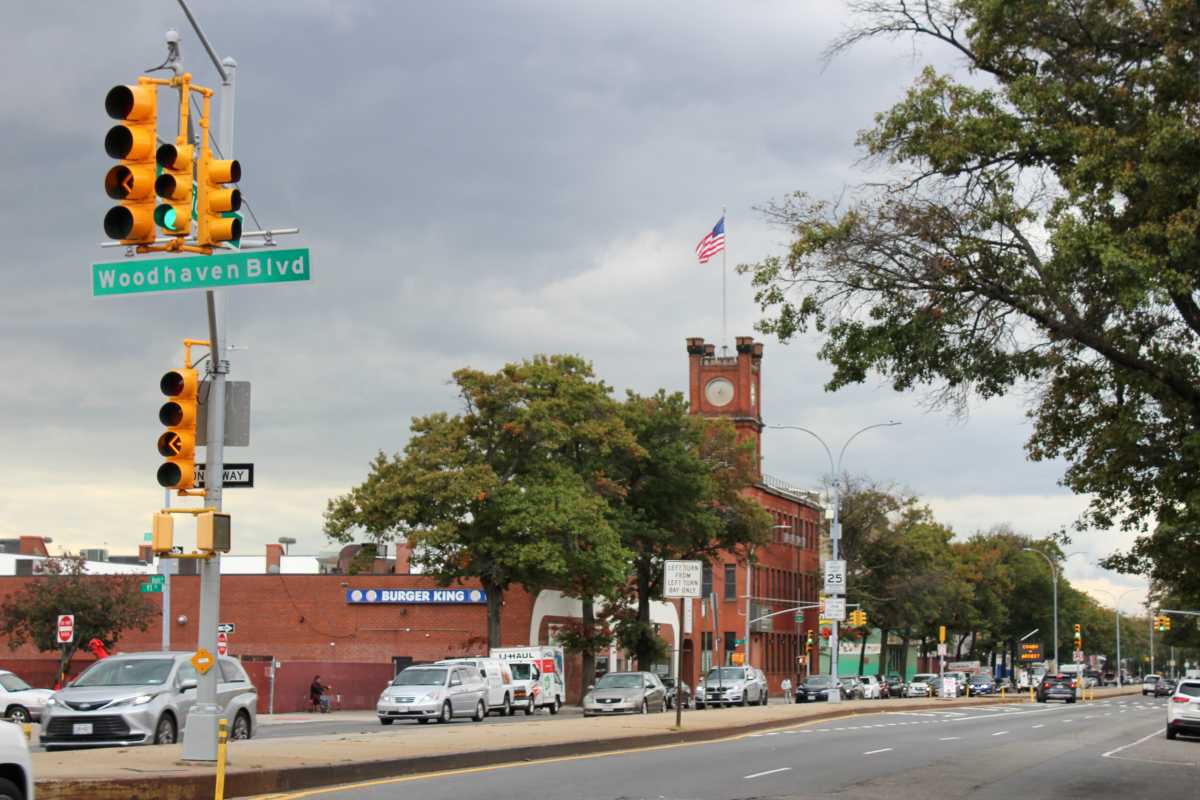
Assembly Member Jenifer Rajkumar exclusively shared with QNS that she is announcing “Revive Atlantic 2.0,” a new plan that hopes to revitalize Atlantic Aveune in south Queens by investing in local businesses, beautifying sidewalks and reopening the Woodhaven Long Island Railroad (LIRR) stop to bring in more foot traffic.
Rajkumar will be meeting with both Woodhaven community stakeholders and city agencies in the coming weeks to advocate that more resources be dedicated to “one of South Queens’ most important commercial corridors.”
“For too long, Atlantic Avenue has been overlooked while opportunity passed our community by,” Rajkumar said. “Revive Atlantic 2.0 changes that. We are restoring transit access, empowering small businesses, beautifying our streets and filling this corridor with culture, energy and economic opportunity.”
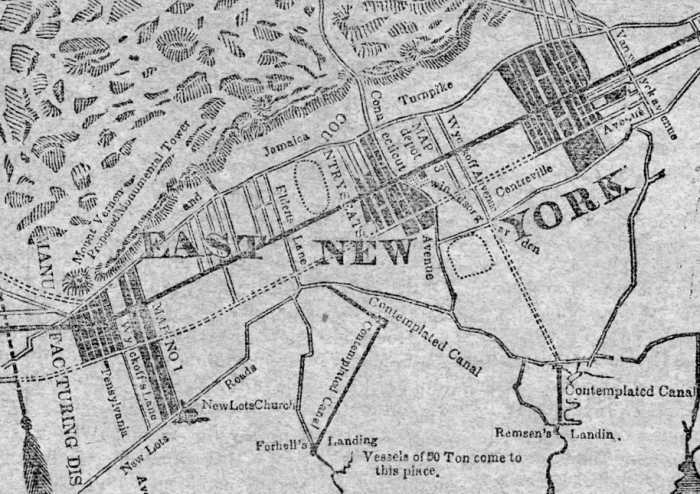
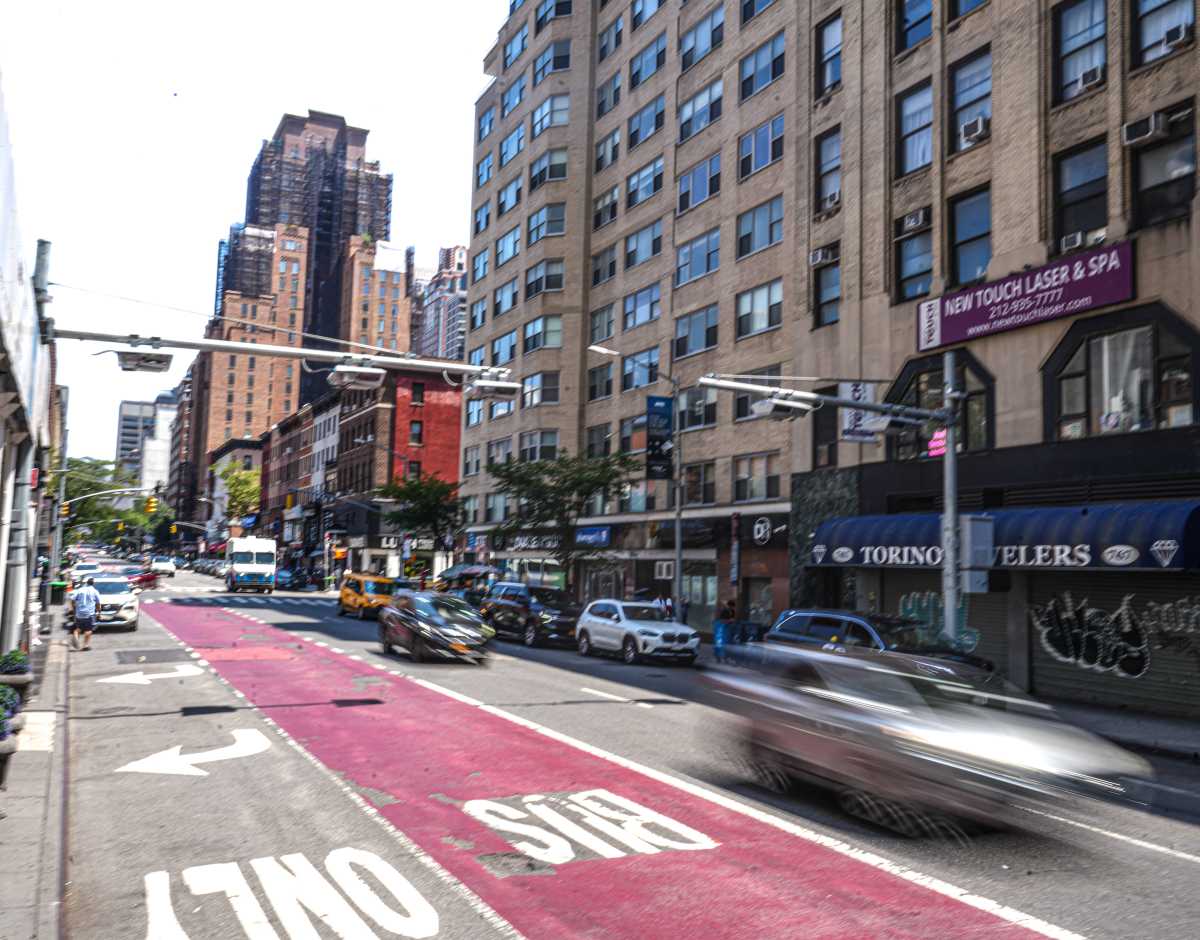
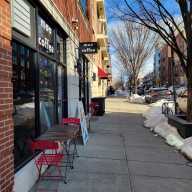
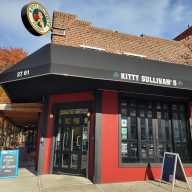
Atlantic Avenue is one of south Queens’ busiest streets, and the portion in question connects between Eldert Lane to 111th Street. Rajkumar argues that the portion in Woodhaven, Richmond Hill and Ozone Park deserves similar attention and public investment as the stretch near Brooklyn Bridge Park.
Rajkumar is already in talks with several city agencies to discuss the plan, though has not formally approached the Mayor’s office. With Mayor Zohran Mamdani’s commitment to install protected bike lanes in Astoria, among other projects focused on public transit, beautification and walkability with Open Streets, Rajkumar stated she’s hopeful to find support and looks forward to working with the City in the near future, as the partnership will be “critical.”
For Revive Atlantic 2.0, Rajkumar is calling upon NYC Department of Transportation (NYC DOT) and the New York State Department of Transportation to commit capital dollars and design expertise for “sidewalk reconstruction, pedestrian safety redesign, lighting upgrades and traffic-calming infrastructure,” as well as NYC Parks and the New York State Department of Environmental Conservation (DEC) to expand tree canopy, green infrastructure and corridor beautification efforts.

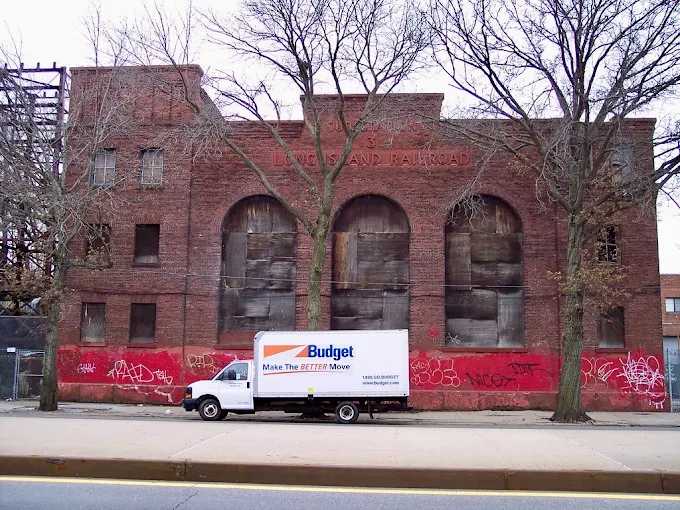
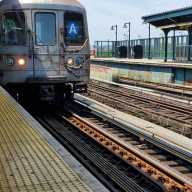
The plan also requires the Department of Small Business Services (DSBS) and Empire State Development (ESD) to provide targeted storefront improvement grants, anti-vacancy incentives, and small business incubator funding dedicated to Atlantic Avenue. But the heart of the plan lies in the remodeling of the Woodhaven LIRR subway stop, which connects to the Q11, Q24 and QM15 buses, as well as the proposed QueensLink line.
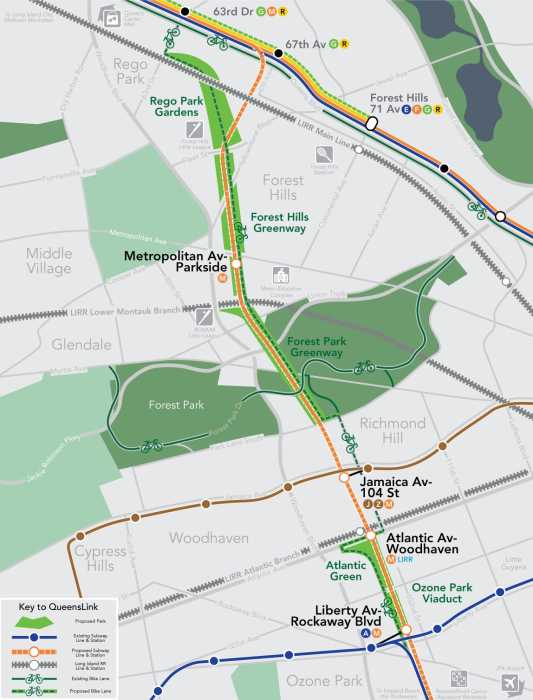
The QueensLink would extend the M train by adding several more stations headed southeast by utilizing an existing 3.5 mile rail line from Rego Park to Ozone Park. QueensLink also includes community gardens, outdoor learning space, expanded little leagues and a network of protected bike paths. The U.S. Department of of Transportation gave QueensLink, a nonprofit, a $500,000 grant to study transit needs in southeast Queens and the lines feasibility.
Rajkumar has been vocal in her support of the QueensLink proposal and met with representatives of the nonprofit to discuss how it can connect with the Atlantic Avenue revival and reinstatement of the Woodhaven LIRR stop, as the upper levels would connect to the M train and underground portion reopened for the LIRR. Several town halls have been held in both Richmond Hill and Woodhaven to discuss QueensLink’s potential and the proposal has the support of other elected officials in the area, including Council Member Selvena Brooks-Powers, Assemblymember Khaleel Anderson and state Sen. James Sanders Jr., who signed a joint letter in support in January 2025.
“QueensLink is worthy of careful study to judge its feasibility and potential to serve community members, and we urge the administration to not commence any construction that would potentially endanger this project’s viability,” the letter stated.
Revive Atlantic 2.0 and QueensLink have similarities to a similar street revitalization effort in Queens: Myrtle Avenue in Ridgewood. About 15 years ago, then Myrtle Avenue BID Executive Director Ted Renz spearheaded the effort to remodel the Myrtle/Wyckoff subway stop in the heart of the neighborhood to bring in more foot traffic. The $51 million project brought more visitors and business to the neighborhood, and in combination with beautifying efforts, the area transformed from a corridor of shuttered store fronts and shattered glass into a destination for both residents and other New Yorkers.
The plan for Atlantic Avenue includes other details, such as commissioned murals and the establishment of recurring food festivals and night markets. But for a full street revitalization, the community needs to be on board, which Rajkumar hopes to drum up with the storefront improvement incentives, anti-vacancy strategies, a “Shop Atlantic Avenue” campaign, as well as apprenticeships and summer job opportunities tied to street beautification to get the youth involved with their neighborhood.
“We are building an economic engine for south Queens and a model for revitalizing commercial corridors across New York City,” Rajkumar said. “This is about unlocking opportunity and unleashing the economic power of South Queens. We are not asking for special treatment. We are demanding equal opportunity for our part of the city.”