Local historians who are looking to preserve an historic Astoria house are not backing down despite the Landmarks Preservation Commission’s (LPC) decision last month determining that it did not meet the criteria to be saved.
Members of the Greater Astoria Historical Society responded Friday to the LPC’s decision to deny landmark status, filing an amended Request for Evaluation.
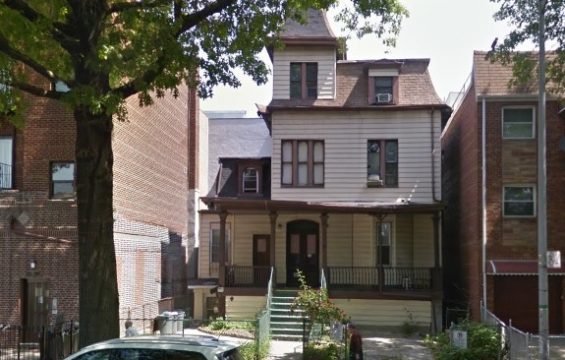
The house that historians seek to preserve sits at 31-07 31st Ave. and was home to Ferdinand Quentin Dulcken, a pianist, composer and music teacher, who had a major impact on music in Astoria and throughout New York City.
Historians became concerned as to the fate of the house after local attorney George Hrisikopoulos purchased it for $1.4 million in 2015 and then filed plans in March to develop a six-story, 10-unit building, with space for an eating and drinking establishment.
Hrisikopoulos has yet to file for a demolition permit.
In March, the Historical Society submitted a request to preserve the house based on its historical significance that was rejected April 3.
The LPC, in rendering its decision, noted that there have been too many alterations over the years to the roofline, windows, railings and porch that “diminishes the site’s presence in the streetscape.”
Bob Singleton, executive director of the Greater Astoria Historical Society, was not convinced by the rationale behind the LPC’s decision.
“When they say that it doesn’t measure up because it’s been altered that is something which I accept with a grain of salt because virtually every building in New York City has been altered,” Singleton said.
The Historical Society’s amendment now seeks to save it on the basis that the house has “cultural” significance.
The group argues that the work of Dulcken–as with Steinway– played a significant role in the creation and promotion of the arts in New York.
While the amendment is being reviewed, Hrisikopoulos is able to go ahead with his development if he meets Building Departments criteria. Currently, he is not required to obtain an LPC permit in order to start construction.
Neal Herdan, a member of the historical society, hopes the group and public opposition will convince Hrisikopoulos to not move forward with the development.
“I think community activism is certainly a way to save this,” Herdan said. “The real thing is persuading the owner. He’s not going to want bad publicity.”