Mayor Mamdani has a rare opportunity — right now, in his first 100 days—to champion a project that embodies the best of his community-driven vision. One that will expand green infrastructure, boost climate resilience and improve the quality of life for thousands of New Yorkers. The QueensWay, a long-awaited 3.5-mile rails-to-trails conversion along the former Rockaway Beach Branch line, is not simply a park. It will serve as a new connective tissue for Central Queens residents, a collection of multi-ethnic, immigrant, working-class communities that have waited more than six decades for this corridor to be put back to public use.
Phase One of the project, known as the Met Hub, is already nearing design completion under the leadership of the New York City Department of Parks and Recreation and the New York City Economic Development Corporation. The Met Hub, located in Forest Hills, will replace an inconvenient 20-minute journey through a string of heat islands and underutilized pedestrian pathways in poor condition with a 10-minute walk along a safe, shaded route that will give neighborhood children a new way to get to school, support local business and allow local residents and visitors to get around the area safely.
The QueensWay runs through Woodhaven, Richmond Hill and Ozone Park—communities with some of the lowest per-capita park access in Queens. For families who lack quality outdoor recreational space, this project is a matter of equity. More green space not only means better air quality and reduced heat exposure, but also improved social connections and overall health outcomes.
The Met Hub sits in an area that is repeatedly — and increasingly — inundated by cloudburst storms, resulting in flash floods that have become all too familiar for Queens residents. Well-maintained urban forests can play an important role in mitigating stormwater that blocks streets and damages homes. According to a 2025 report from the Natural Areas Conservancy, healthy urban forests absorb 10% more stormwater than degraded ones – that could be the difference between families keeping dry ground or incurring thousands of dollars in flood damage. Unfortunately, the wooded areas along the abandoned Rockaway Beach Branch have been degraded for years by illegal dumping and invasive species. It’s not only an eyesore, it’s dangerous.
The QueensWay is an opportunity to fix this. With improved tree canopy, soil remediation and better drainage, this project will help absorb stormwater, reduce urban heat and create a cooler, greener environment for the entire community to safely enjoy.
The QueensWay is primed to be an early success for the new mayor. It not only aligns with his priority of delivering environmental, public-health and economic benefits to all New Yorkers, regardless of their zip code, it has the added advantage of being shovel-ready. Trail networks across the country are now recognized as essential infrastructure, filling gaps in biking and walking corridors and reducing transportation emissions—the largest source of greenhouse gases in the United States. And by encouraging neighborhood tourism and increasing foot traffic, these projects also provide a boost for small businesses. Simply put: access to nature and safe transit infrastructure in the wealthiest city in the world should not be a luxury. It should be a fundamental part of the urban fabric, and the QueensWay is a model for how to achieve that.
The QueensWay is a win for social and climate resilience, a win for public health, and a win for economic justice.
But perhaps the most compelling reason for the Mayor to act now is the broad support among the community itself. For more than 15 years, volunteers from across Central Queens have organized cleanups, hosted information sessions, facilitated educational programs for local students and built a broad coalition of civic groups, local elected officials, small businesses, schools and residents. This is a community-led project in the truest sense. In conversations with neighborhood residents, we often get asked: When can I take this to get to Forest Park? When can I take my students here? When will this finally get built?
The first 100 days are a time to signal priorities. With Phase One nearly ready to go, Mayor Mamdani has an extraordinary opportunity to set the tone for his administration by embracing a project that reflects the values of a greener, fairer, more connected New York.
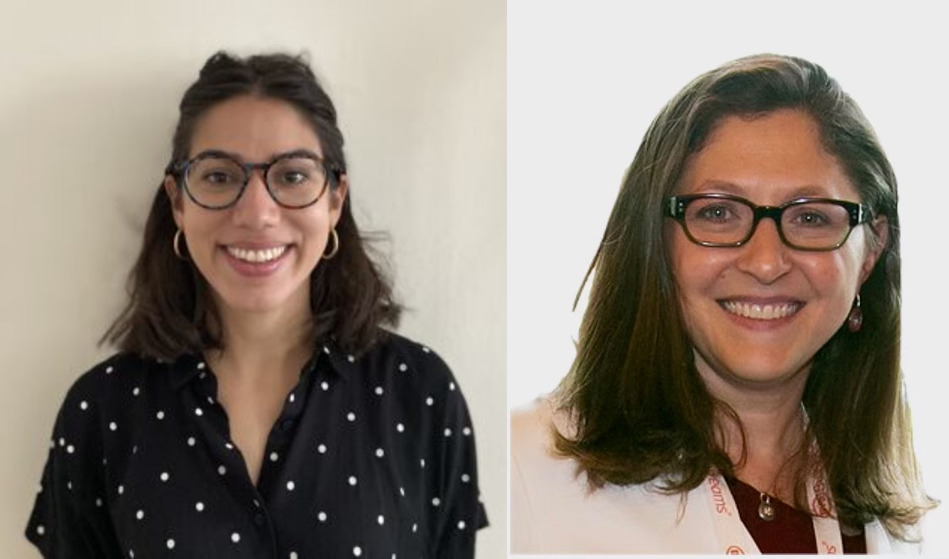
Alia Soomro is the Deputy Director for NYC Policy at the New York League of Conservation Voters and Karen Imas is a Steering Committee Member at Friends of the QueensWay.