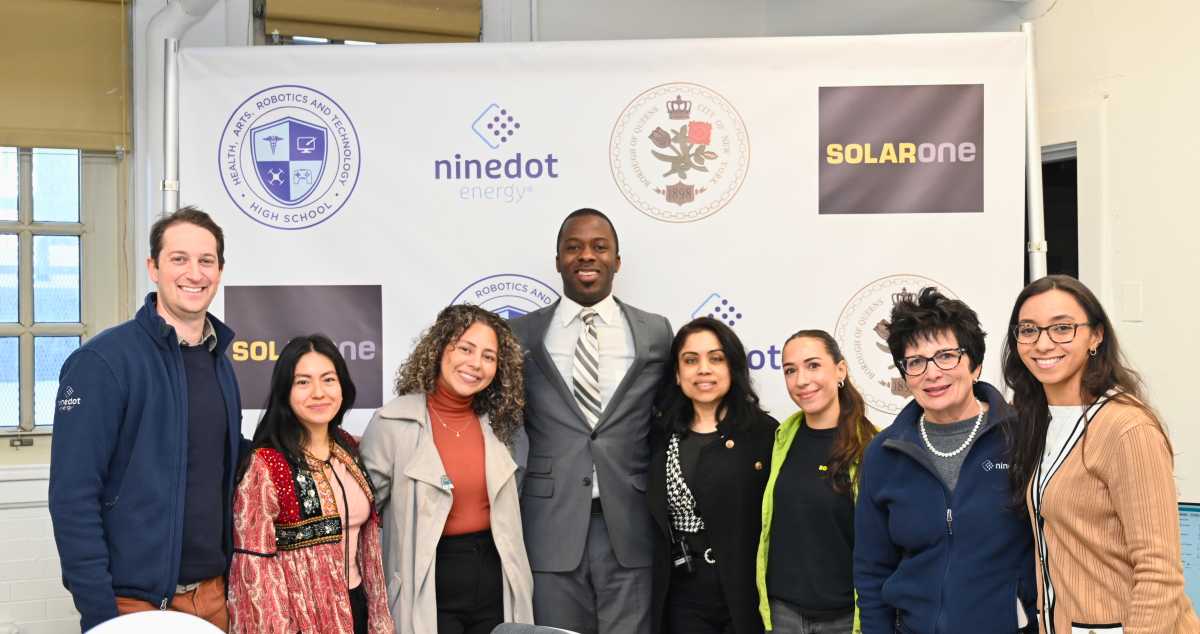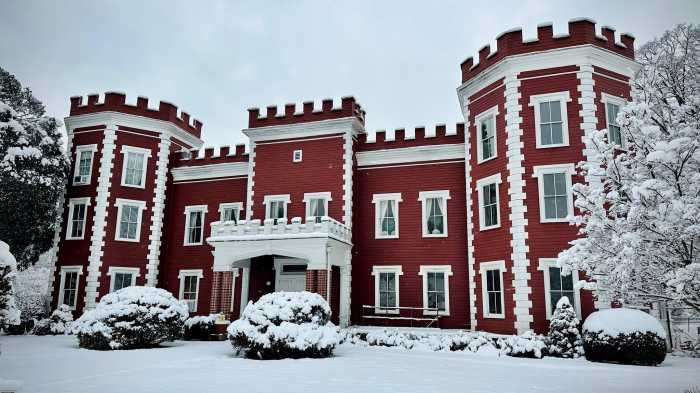

The Health, Arts, Robotics and Technology High School in Cambria Heights is expanding its roster of technical training programs with its new partnership with Solar One and NineDot Energy, offering specialized instruction and job training to students in the clean energy sector.
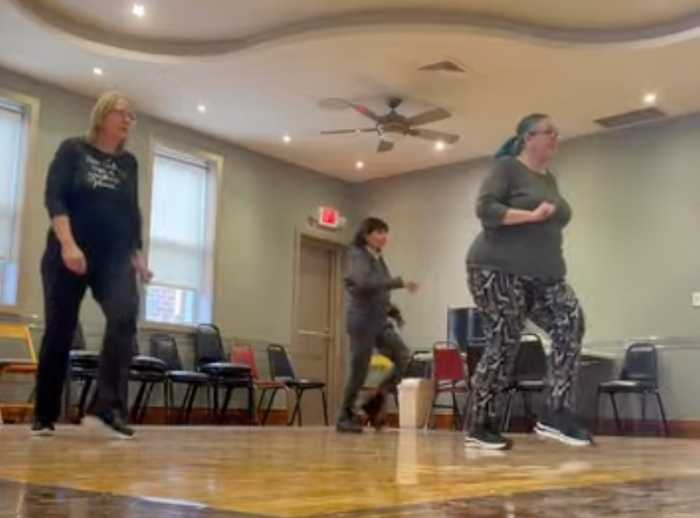
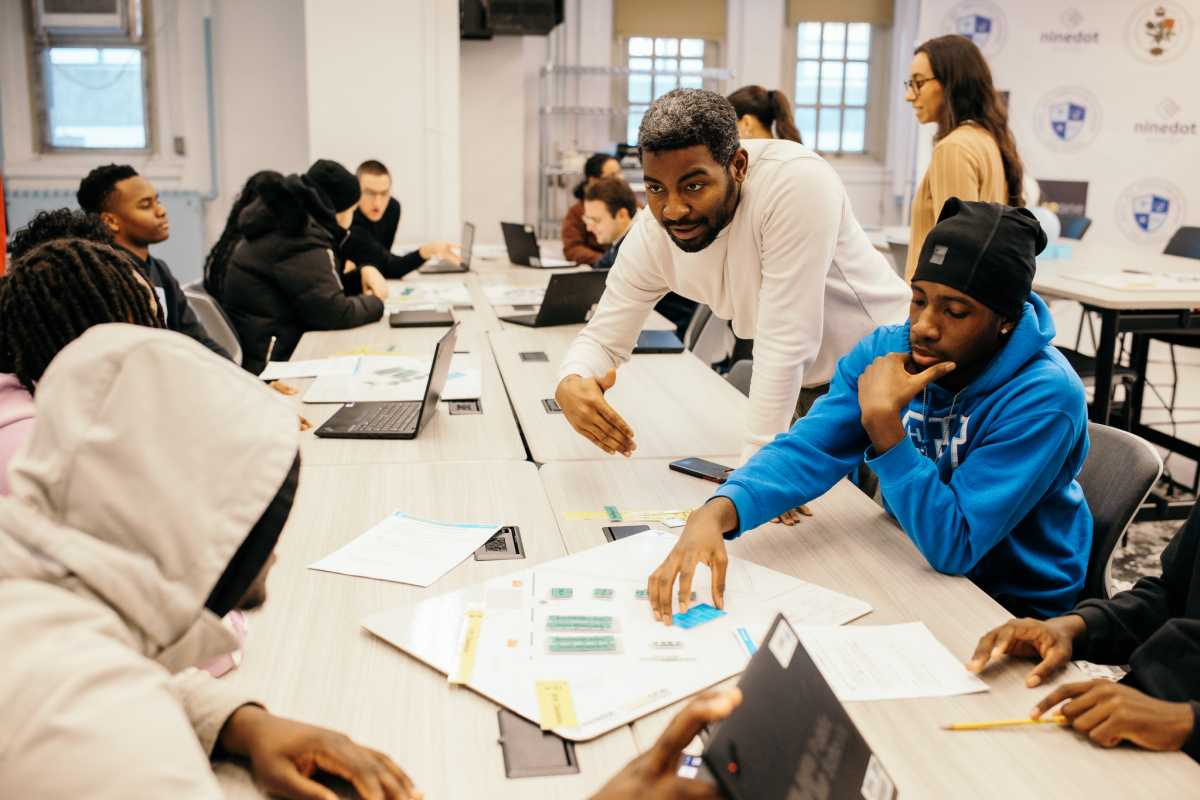
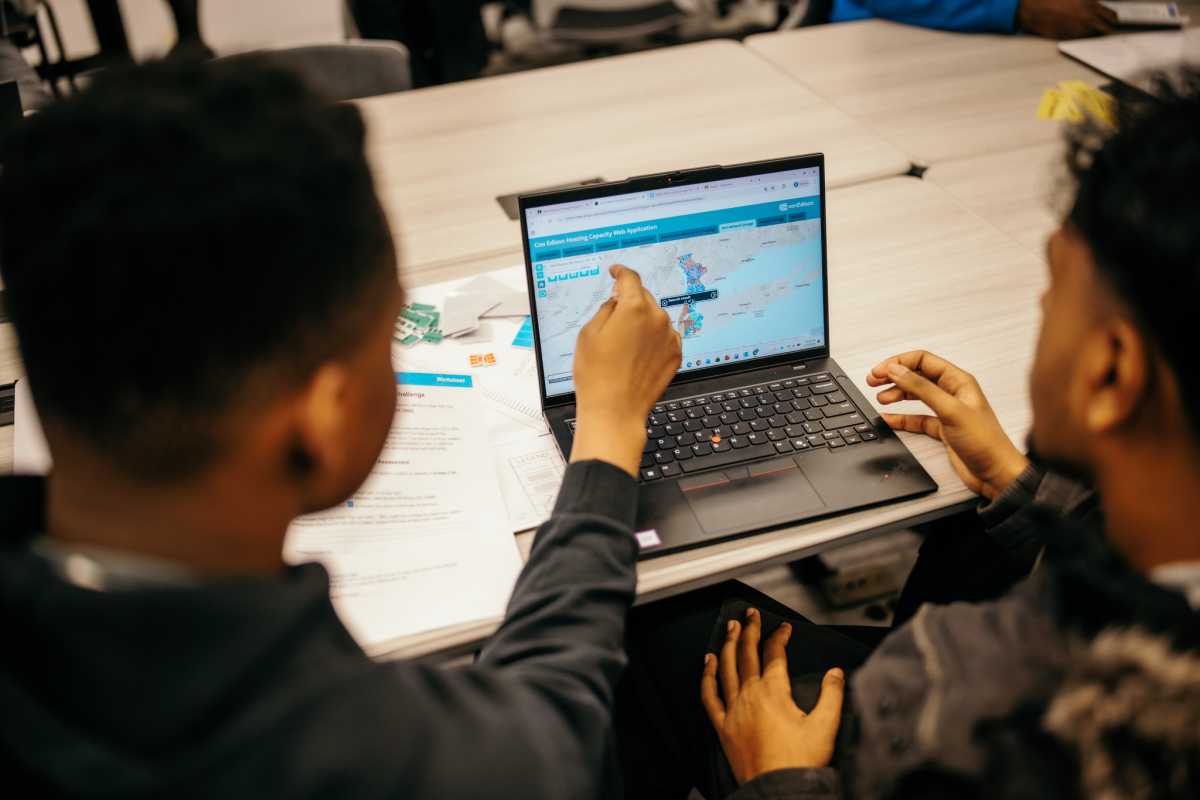
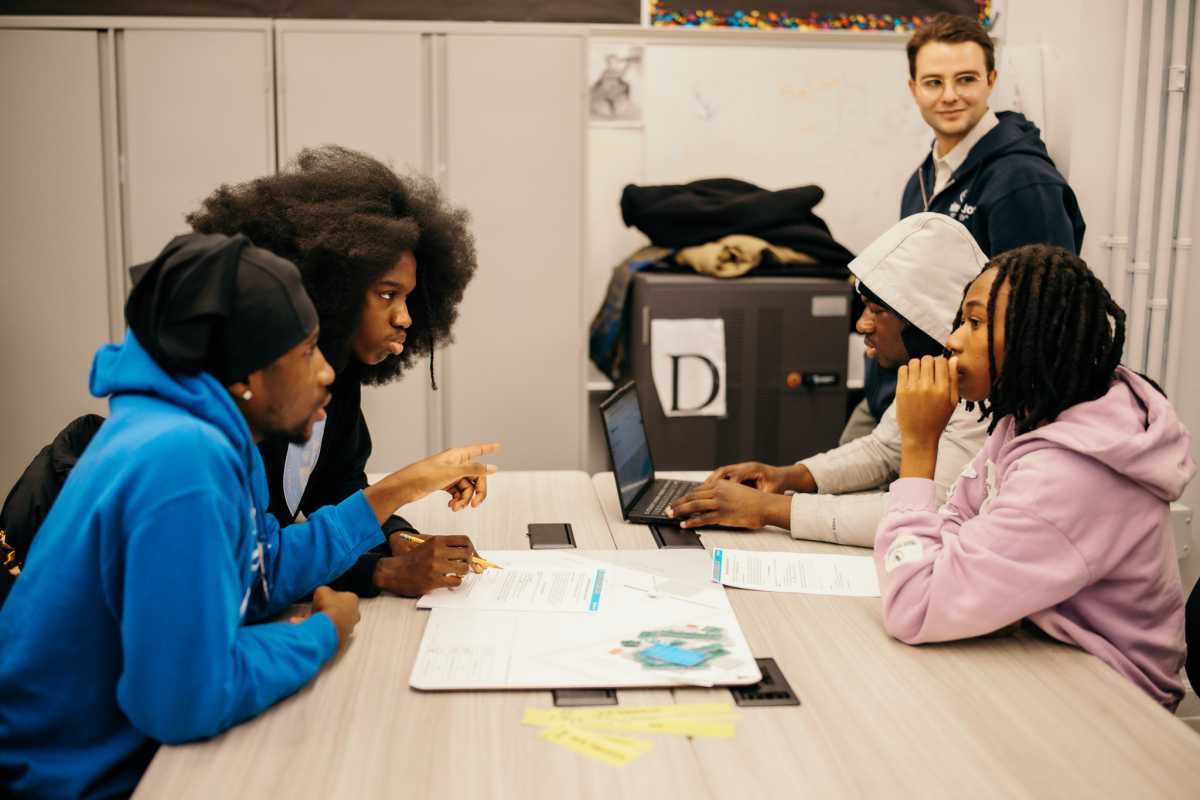
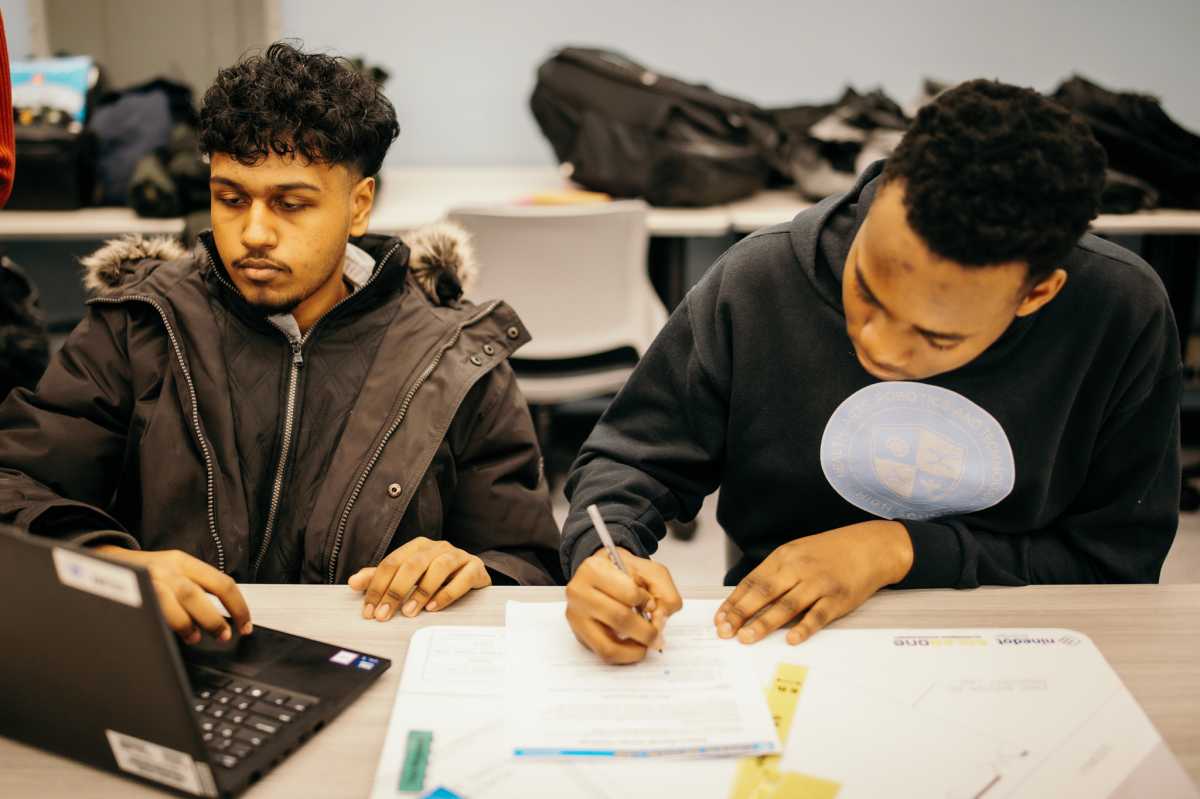
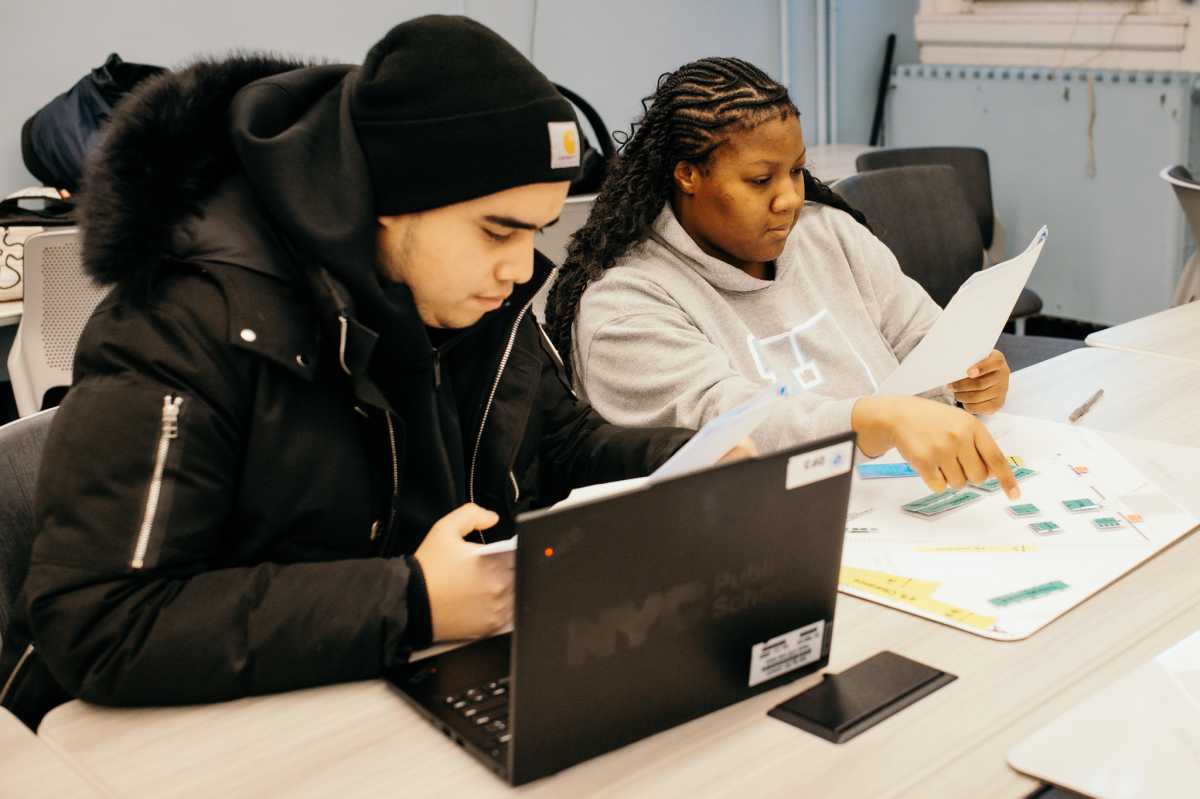
During a hands-on lesson on Jan. 29, students learned about the role batteries play in NYC’s grid, as well as how to engineer energy storage systems to provide New Yorkers with more affordable, reliable and clean power.
Under the guidance of Catherine LaHood, a senior educator at Solar One, students ages 17-18 were given materials including maps and specialized software to conduct their projects, working in teams to generate blueprints for a successful battery installation.
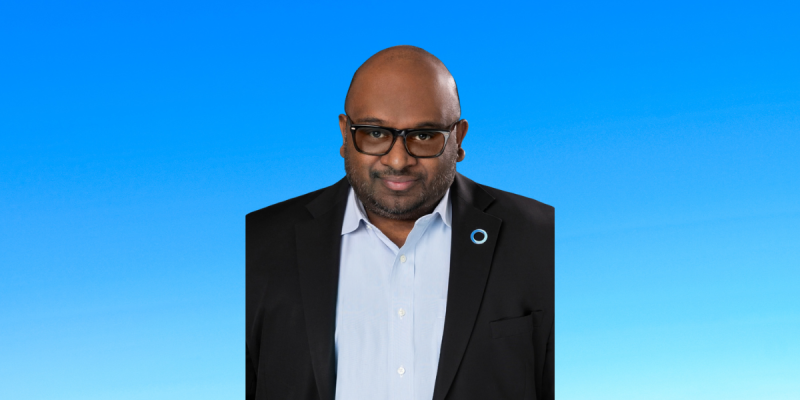
Kayode Ayetiwa, principal of HARTS HS, said the mission of the school is to prepare students for the job market, focusing on skills that are in demand in technical industries that require specialized skills.
He said the clean energy sector is an untapped field in the NYC Public Schools system, so he and his team decided to join Solar One’s pilot program and lead the charge for its implementation in the school system’s curriculum.
“There’s an opportunity to expand on what we have as a school in terms of career readiness and college readiness,” Ayetiwa said. “This partnership with NineDot and Solar One is an extension of expanding our career readiness.”
Students at the school are learning to become solar engineers and technicians, he continued, gaining skills that translate directly into careers after graduation.
“These are things our students are very, very big on,” Ayetiwa said. “They talk about going green all the time.”
“It’s been really inspiring to see them respond to the hands-on activity,” LaHood added. “We really try to have them doing things with their hands for most of the lesson. These activities inspire them to investigate clean energy solutions and why these topics are important to help their communities become cleaner and healthier.”
Anna Raghubir, assistant principal of science at HARTS, said the partnership between the school and Solar One began with an email from Queensborough President Donovan Richards’ office. She said the staff were informed of long-term needs for sustainability across sectors, so the school decided to join the initiative.
“Education is where it’s at,” Raghubir said. “On our end, we’re developing partnerships to promote the careers they’re linked to.”
According to Stephen Levin, CEO of Solar One, the organization coordinates the educational content and develops the curriculum. He emphasized the importance of introducing programs like those Solar One has developed because it is crucial for the future of the nation’s renewable energy sector.
“We do not have a future power system for our country and all its diverse power needs without renewable energy and battery storage,” Levin explained. “From an environmental perspective, this is what’s responsible for combating climate change — there’s a real threat. But on the other hand, this is also where the economy is going and where jobs are going to be.”
He said many of the K-12 programs Solar One offers to schools are closely aligned with workforce training it provides to college students, as well.
Michaela Ritz, director of CTE programs at Solar One, said educators from the organization partner with NineDot educators and dedicate time and effort to generating the program’s curriculum and ensuring students are responsive and engaged.
The educators speak to students about their own jobs and roles in the industries they work in, she continued, addressing both students that are interested in the technical engineering elements of the industry and those more interested in public engagement.
Raghubir mentioned that many of the school’s programs have areas of crossover. Drone technology, for example, has practical applications in many sectors, including solar and renewable energy, because it is used to survey buildings and install solar panels.
She said students discovered the link between drone technology and battery storage when they participated in a drone competition hosted at the high school last year. Raghubir explained that their drone batteries kept running out, which the students believe is one of the reasons they didn’t win the competition.
“They didn’t realize there was a bridge between the circuitry they learn in robotics and the workshop with Solar One and NineDot,” she said.
Ayetiwa also pointed out connections between the school’s agriculture, clean energy and drone programs. By producing more sustainable energy storage, he explained, students in the drone program can extend the life of their drones and use them for monitoring crop health, mapping fields, spraying pesticides and fertilizers, and scouting livestock.
“It just opens doors by taking what we know and extending its applications,” he said.
Raghubir said technical education has changed drastically in the past 10 to 20 years because these programs are built into students’ everyday schedules, rather than a program that’s hosted before or after school hours.
Beginning in 8th grade, she said, students choose one of four technical programs to pursue at the high school — Diagnostic Medicine, Visual Arts, Robotics and Drones Engineering, and Software Engineering and Game Design.
Once on a chosen path, she continued, students take at least one course per day dedicated to their major. When students reach 10th grade, they begin taking at least two courses a day for their chosen major.
By their junior year, she continued, students enter dual-credit college courses in their respective majors through various higher education institutions. She said on average, HARTS students graduate with an average of 20-30 college credits.
Levin said the program also helps students who are not interested in pursuing higher education to secure entry-level jobs in the industries Solar One helps prepare them for.
For those that are interested in attending college, he continued, the certifications and college credits earned at the high school helps them complete their degrees quicker and bump them into higher earning tiers.
Ritz said students who graduate college in the fields supported by Solar One’s programming begin earning up to low six-figure salaries within 2-3 years in the workforce.
“In our economy today, that’s big,” Ritz said. “Money isn’t the only motivator, but I think for a lot of students, they see an upward ladder for themselves and their families.”
And, school officials noted, students are getting this education at no cost. “It saves thousands of dollars,” Principal Ayetiwa emphasized.
Ayetiwa said that all the high school was required to do was provide space for the students to participate in the program. Solar One and NineDot provided the funding, equipment and staff for the rest, he continued.
By setting an example for other schools, Ayetiwa said, the goal is to spread the program to the entire community. Technical training like the kind offered at HARTS, he continued, isn’t common in the community.
That is precisely why Ayetiwa said it’s so important for the school to maintain its partnerships with organizations like Solar One and NineDot because they are investing in students’ futures.
Raghubir said that when students bring new interests to staff’s attention, it means that the school is successful in its mission.
“We have an open-door policy,” she said. “They come to us asking if we can do this or that… it’s very future forward. It’s all part of a collective vision.”
Not only have the training programs improved educational outcomes for students who attend them, but overall attendance and graduation rates at the high school have increased, as well. According to the school, the graduation rate during the 2024-25 school year was 95%.
“The students are very excited about being immersed in our programs,” Ayetiwa said. “Students will come to the building at 4 a.m. because they want to be part of our programs. The door is wide open in terms of what students are talking about for their life and career beyond high school. They have a vision for themselves.”
Partnering with high schools, Levin said, is gratifying for the Solar One team because students’ enthusiasm is “infectious.”
Raghubir added that the increase in attendance speaks to the quality of the programs offered at the high school.
HARTS was recently designated as an NYC showcase school for healthcare in 2026 by the NYC Department of Education, which recognizes its robust healthcare program and partnerships with several local hospitals and health clinics overseas.
The high school also won gold in the U.S. National E-sports League Tournament, as well as first, second and third place at the New York State E-sports League Competition.
Ayetiwa said these fundamental experiences, whether students decide to pursue one program over another, is key for students to look forward to graduating and building a fulfilling career. Having a clear, tangible path, he continued, has made a huge difference in the students’ lives.
“You see the excitement,” Ayetiwa emphasized. “It’s something we love to see.”