

The Department of Transportation has described its plans to redevelop the Harper Street Asphalt Plant in Willets Point as “critical” after some local landowners and a former DOT official called on the city to halt the project because it does not align with ongoing development in the area.
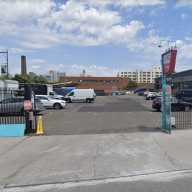
The DOT has issued a Request for Proposal (RFP) to develop the shuttered Harper Street Asphalt Plant at 131-21 Northern Blvd. on the shore of Flushing Creek, which has an estimated cost of around $80 million.
‘Little to no impact’
The DOT says the project will have “little to no impact” on the surrounding community, stating that the New York City Department of Design & Construction (DDC) will control all dust, noise, rodent and vibration issues during the construction period.
A spokesperson for the agency added that the redevelopment is “critical” in order to keep roadways across the city in a state of good repair. The spokesperson further added that the redevelopment will make use of “cutting-edge technology” to mitigate the environmental impacts of the plant.
Landowners raise concerns
Still, local landowners claim that the project is out of step with the vision for Willets Point, which has undergone significant development since the DOT first floated the idea 10 years ago.
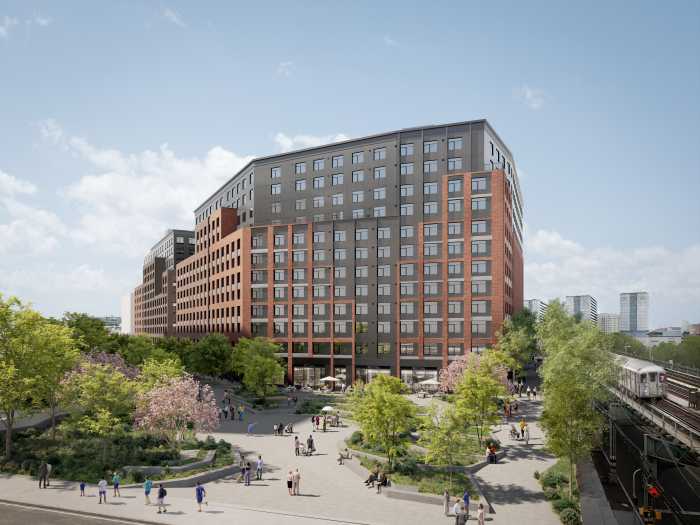
Opponents to the project say it would cost an “exorbitant” amount of money to redevelop the plant, while creating quality of life issues for residents in the newly-developed affordable housing complex opposite Citi Field. The DOT asserted that the plant would save money because it would provide asphalt at-cost.
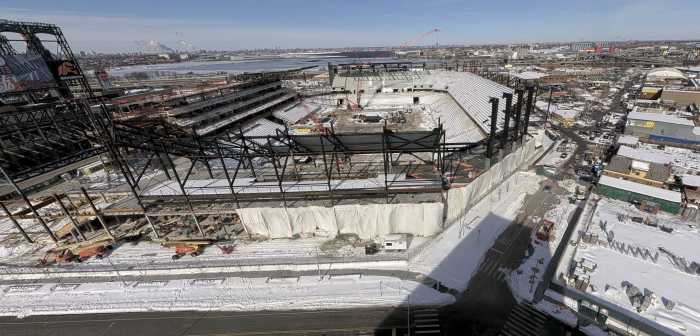
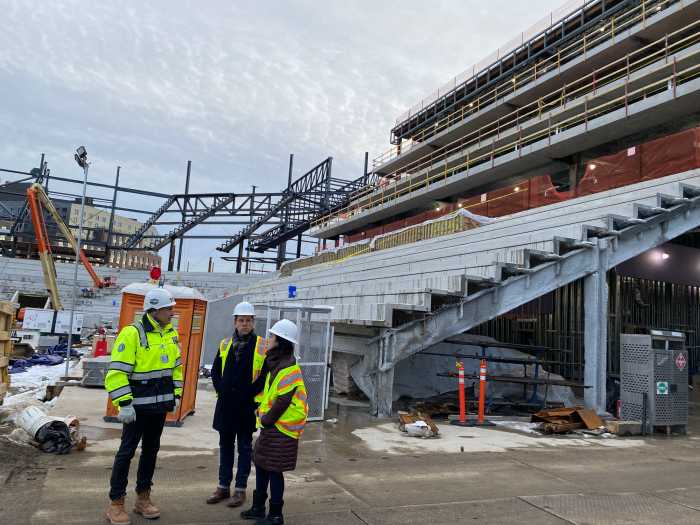
The plant is situated around 2,000 feet from New York City FC’s 25,000-seater soccer-specific stadium, which is currently undergoing construction in the area. NYCFC is also building a 2,500-unit affordable housing development adjacent to the stadium as part of the project, recently completing the first phase of the project – known as Willets Point Commons.
Although the asphalt plant is separated from Etihad Park and the Willets Point Commons development by the Van Wyck Expressway, opponents say the project will have a negative impact on the growing community.
Kenny Tully, corporate secretary of the Tully Group, one of the largest private construction firms in the nation, which owns property in Willets Point, described the project as a “giant step backwards” for the area.
Tully said the Tully Group operates its own asphalt plant – the Willets Point Asphalt Corp – close to the planned DOT site, but said the company expects to shutter that plant within five years because it no longer has a place in the Willets Point community.
“We feel like, long-term, we need to move out of this current location,” Tully said. “We’re right across the street from the city plant and this (the Tully plant) could be an apartment building one day.”
However, the area along Flushing Creek is still largely zoned for industrial and manufacturing, with no current proposals to change that.
Tully described plans for the asphalt plant as aligning with the Willets Point of 50 years ago, not the Willets Point of 2026. He added that the site presents an opportunity for the city to create a waterfront greenway for residents in the newly-planned community.
He added that asphalt plants are “an eyesore” and “problematic” for neighborhoods and said the new plant could potentially create congestion problems for new residents.
Tully also referenced ongoing issues in Blissville, where numerous residents have raised concerns about continuous pollution from the Green Asphalt plant in the neighborhood. Residents have stated that fumes from the plant have created significant quality-of-life issues in the area ever since Green Asphalt established a presence in Blissville in 2011.
The DOT said the plant would feature state-of-the-art equipment that would mitigate the impacts of asphalt production. The agency did not specify what kind of equipment it would use or the projected emissions at the site.
Meanwhile, Neil Soni, the president of House of Spice and a landowner in the Willets Point area, similarly claimed that the plans for an asphalt plant in Willets Point is like “going backwards in time.”
“It’s a step toward the way Willets Point used to be,” Soni said. “It just doesn’t make sense with the vision of the future for the neighborhood.”
Soni added that the proposed redevelopment area represents a “once-in-a-lifetime” opportunity to “reclaim the waterfront for public benefit.”
Galileo Orlando, a former deputy transportation commissioner, oversaw the project to redevelop the plant ten years ago, adding that it made sense at the time because Queens was in need of more asphalt.
“Queens is the largest borough in terms of roadway surface, so it has the greatest demand for asphalt,” Orlando said. “There was some concern about securing enough asphalt for the borough.”
Now, however, Orlando believes that the plant no longer represents a fit for the Willets Point neighborhood, pointing to NYCFC’s new stadium and the proposed Metropolitan Park, a planned $8 billion development to build a casino and entertainment complex in the Citi Field parking lot.
“It’s an odd fit now in that area,” Orlando said. “Asphalt plants have large smokestacks that are very visible. They create a lot of truck traffic.”
QNS has reached out to NYCFC and Community Board 7 for comment.