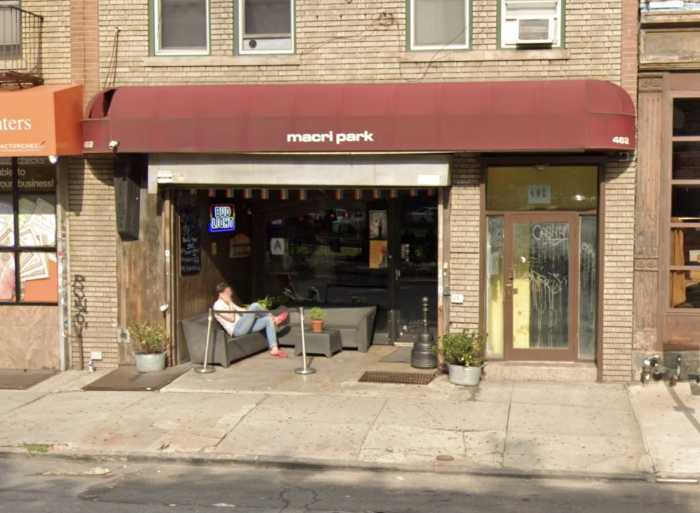
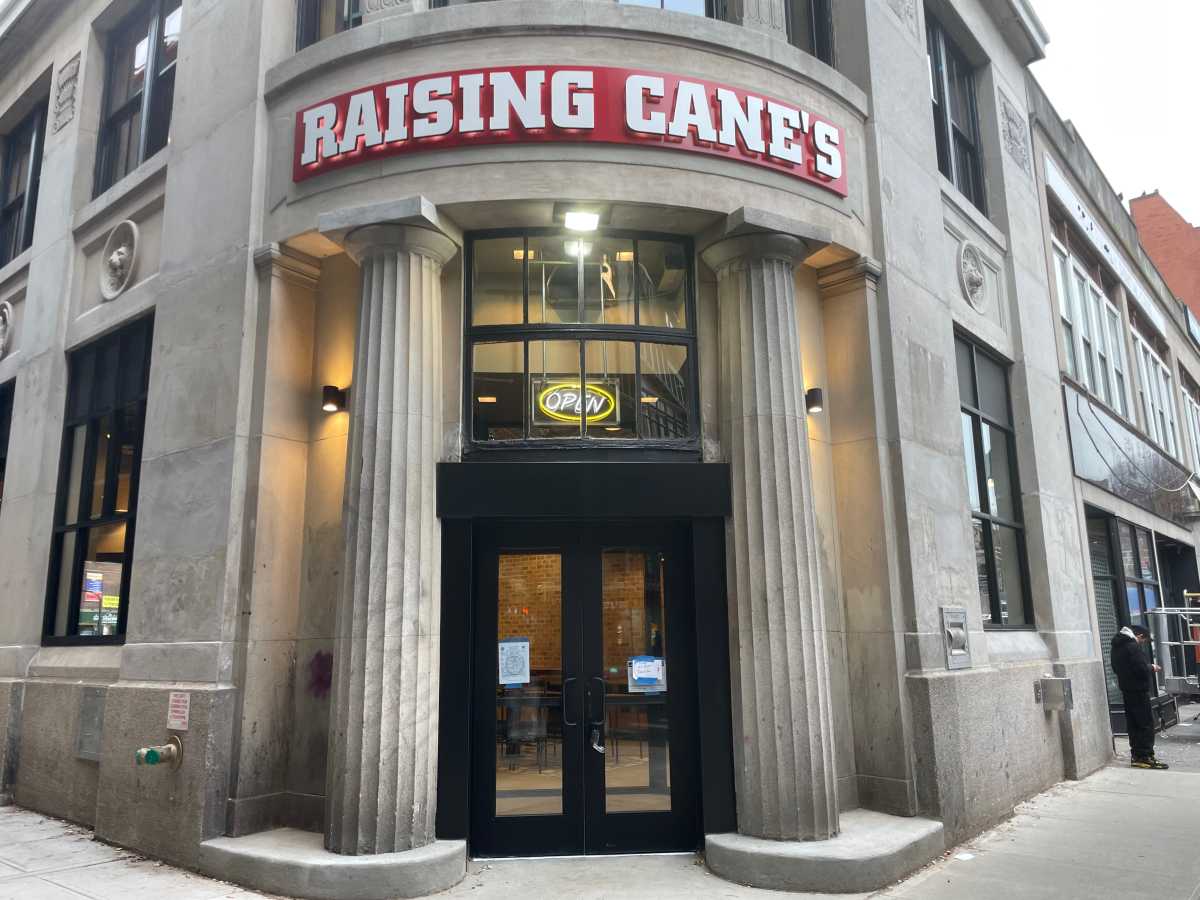
A Raising Cane’s opened its doors for business at 81-11 Roosevelt Ave in Jackson Heights on Jan. 21, just over a week ago. It is the fourth location to operate in Queens, after the chicken-finger restaurant chain expanded to the borough nearly two years ago in 2024. However, the Baton Rouge, Louisiana-based restaurant is just the latest of several chain businesses to open up within the Jackson Heights community over the years, some of which also include a Target, Starbucks, Chipotle, Chick-fil-A and Paris Baguette, among others.
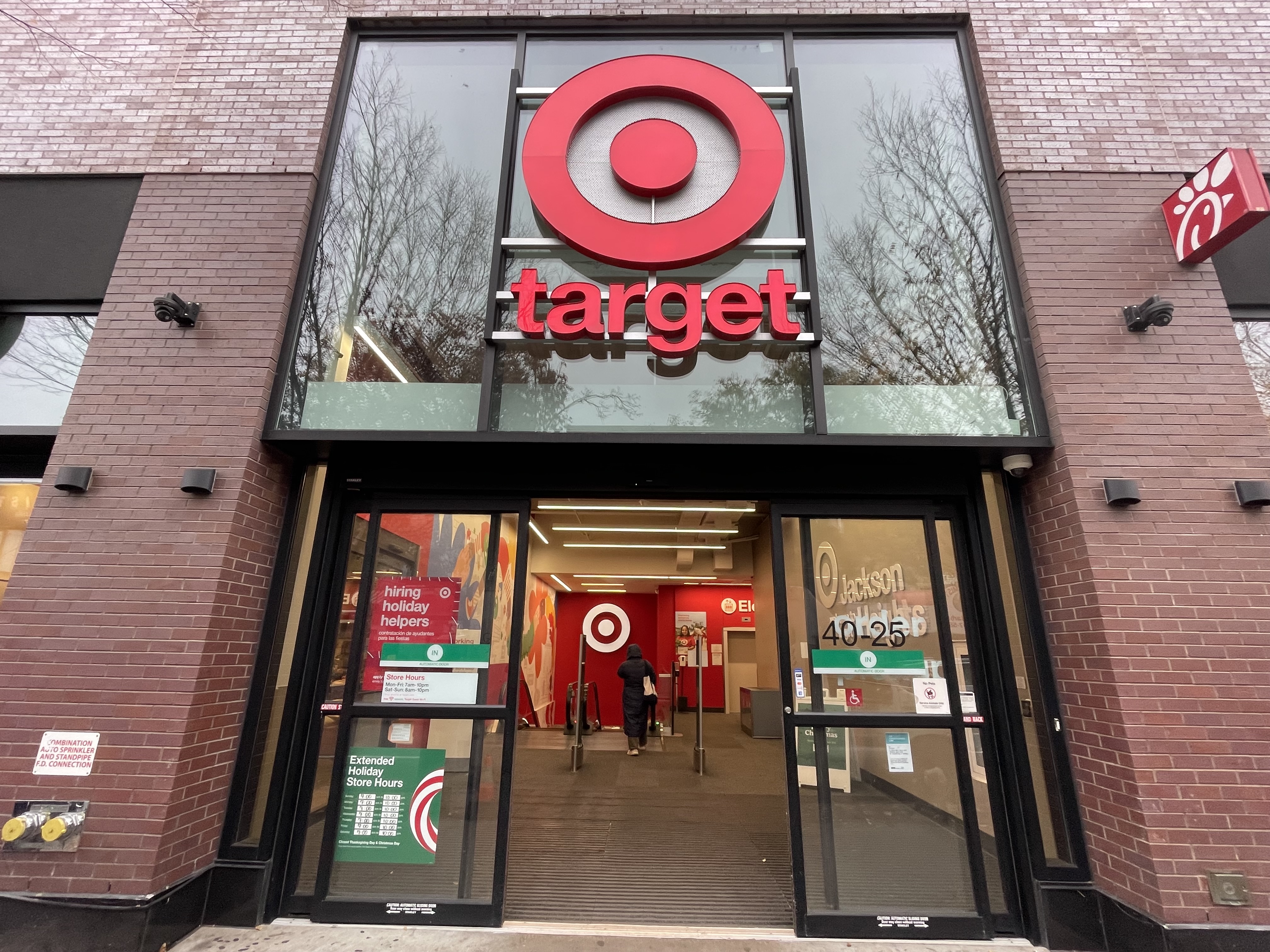
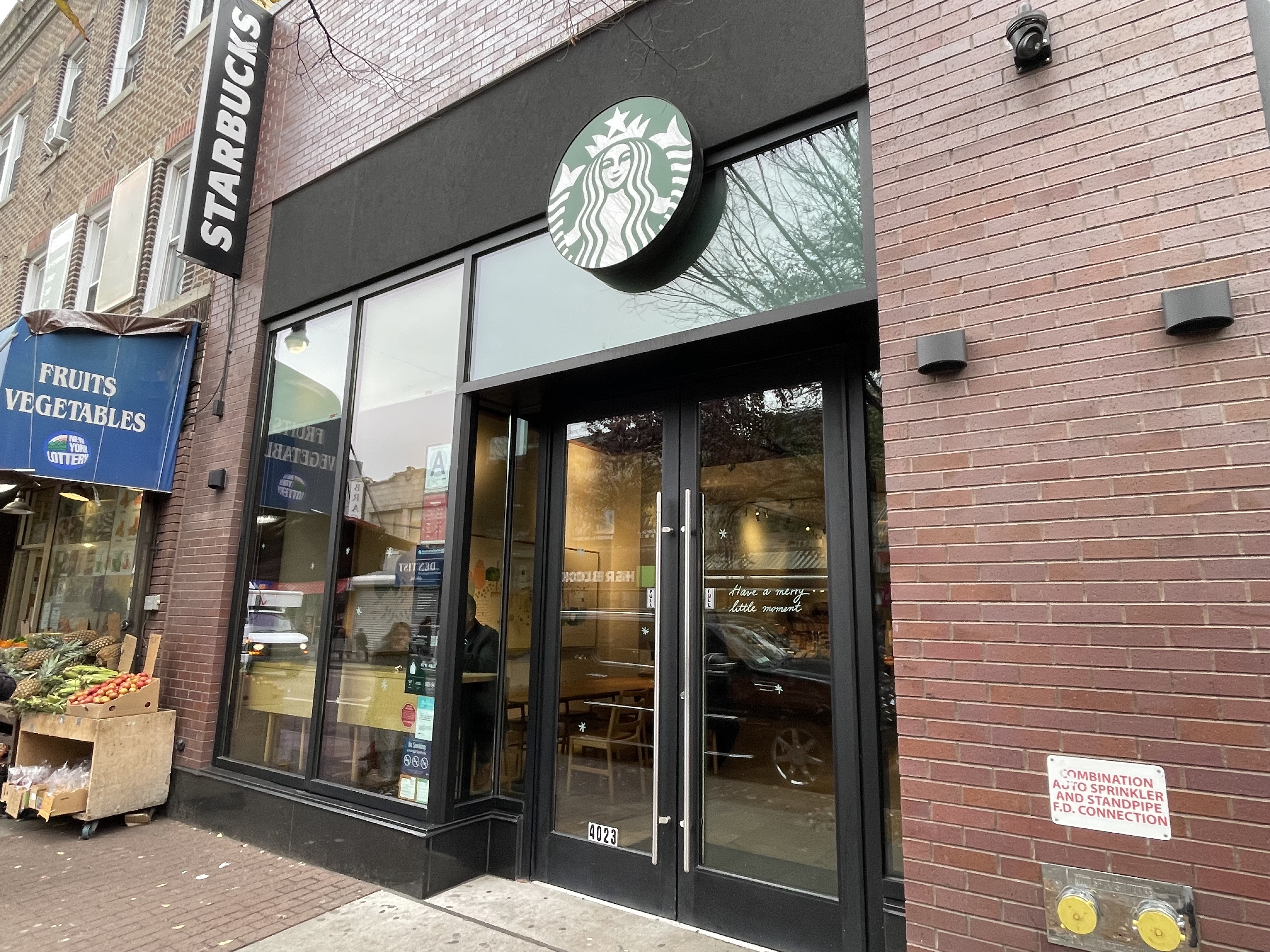
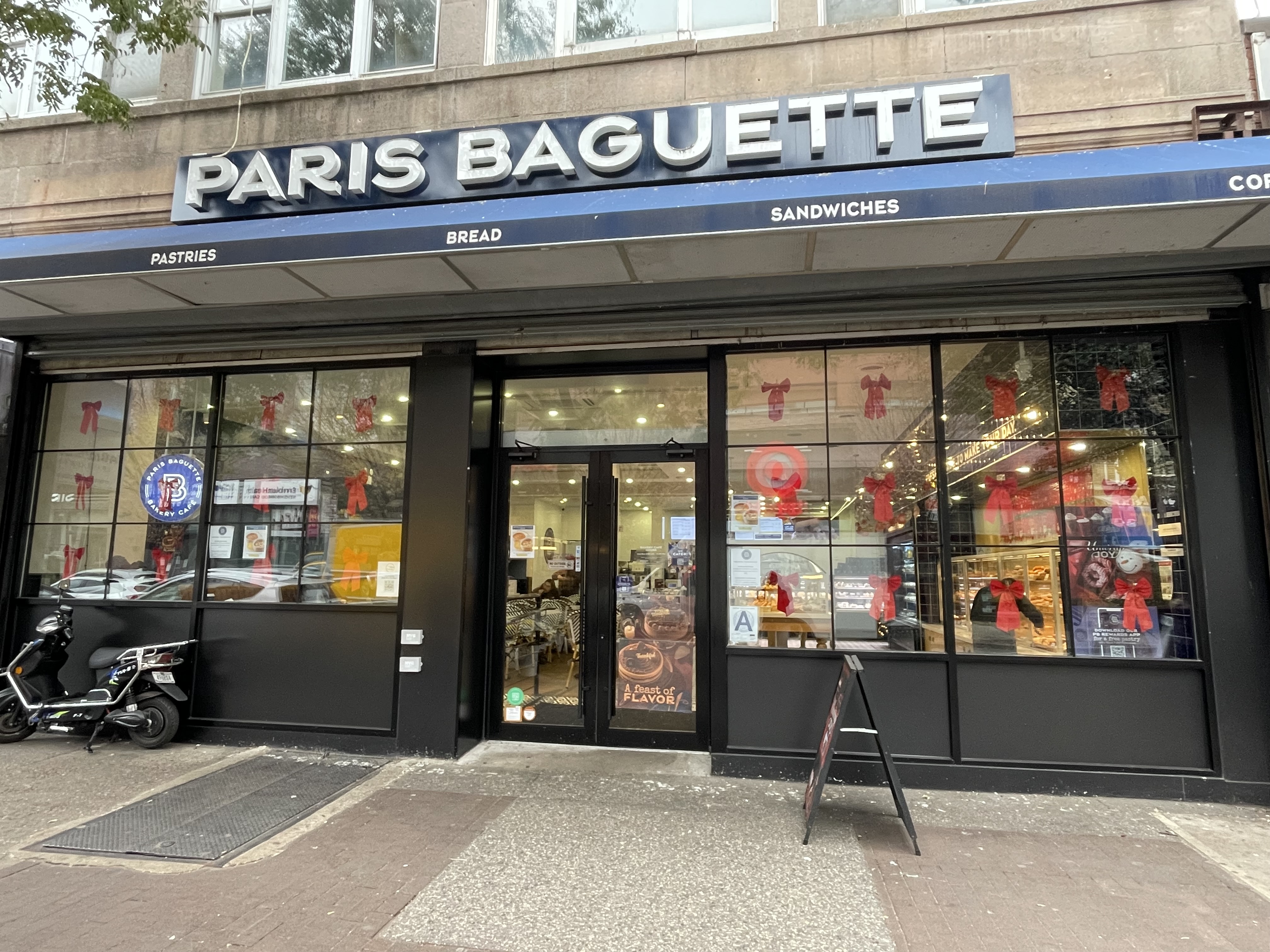
“We have shifted from a neighborhood of ma and pa shops,” said Annetta Seecharran, the executive director of Chhaya Community Development Corporation. “That have been the backbone of this community. That have created the Jackson Heights that we all love. That has given it the really wonderful reputation that it has. As a vibrant, dynamic, economic hub for immigrants and immigrant businesses.”
A resident of Jackson Heights for over 23 years, Seecharran has served as a leader at Chhaya CDC for almost a decade. Through her time living in the area and working on the community’s development, she recalled witnessing a “transformation” of the neighborhood firsthand. To the Executive Director of Chhaya CDC, these bigger chains coming in “symbolize a loss,” possibly forever.
Seecharran emphasized that the economic impact for the communities in which these businesses operate is significant, calling them “extractive.” She referred to profits that don’t get reinvested in the community. As the chains bring low-wage jobs, the economic gain for their employees is also limited. In contrast, small businesses translate into income for residents of the neighborhood.
“Where does the profit go?” Seecharran questioned. “Neighbors spend their money, and we get nothing back from it.”
The Queens-based Chhaya CDC offers support to small businesses, as Seecharran stated their objective is to have them remain in the community. Although the essential commercial real estate can present challenges when it comes to the bigger chain businesses.

“What is the added value of a big box restaurant?” said Seecharran. “We are displacing a locally owned restaurant. It’s sad and upsetting. What makes Jackson Heights a draw for people across the city is its reputation for amazing food. The best authentic food from around the world. We lose a character. Something so powerful and beautiful. That is the soul of the neighborhood.”
With a large immigrant population (64%) of about 77,000 residents in Jackson Heights, it is clear that the community offers a diverse array of cuisines. From Latin American, Asian, and Middle Eastern backgrounds, there is no shortage of restaurants and bakeries in the area with unique tastes. These smaller and locally owned businesses define the neighborhood’s reputation as a melting pot of different cultures.
As bigger chains continue to arrive, there is concern of a new image to the community, from the one that has always been recognized by locals and residents.
Although Seecharran argues that part of the problem is a lack of public policy that may disincentivize commercial real estate from going with bigger chains. She pointed out that one way to address this could be a high tax on corporations of a certain size or that aren’t based in New York City.
“Landlords should be forced to inform the community about what kind of business they are bringing in,” said Seecharran. “They own that piece of property, but they are impacting the character of the neighborhood. They just bring a business that is inconsistent with the rest of the neighborhood.”
As landlords tend to raise the rent, it wouldn’t be an issue for bigger businesses to cover. However, this can present another obstacle, as Seecharran notes, it can bring an “upward pressure” on the rent for the ma and pa business next door.
“The ma and pa businesses make the community,” said Seecharran. “If it weren’t for the ma and pa businesses, what is the community based on? What is it built around? You start to unravel that, and you lose the community. You lose the foundation.”